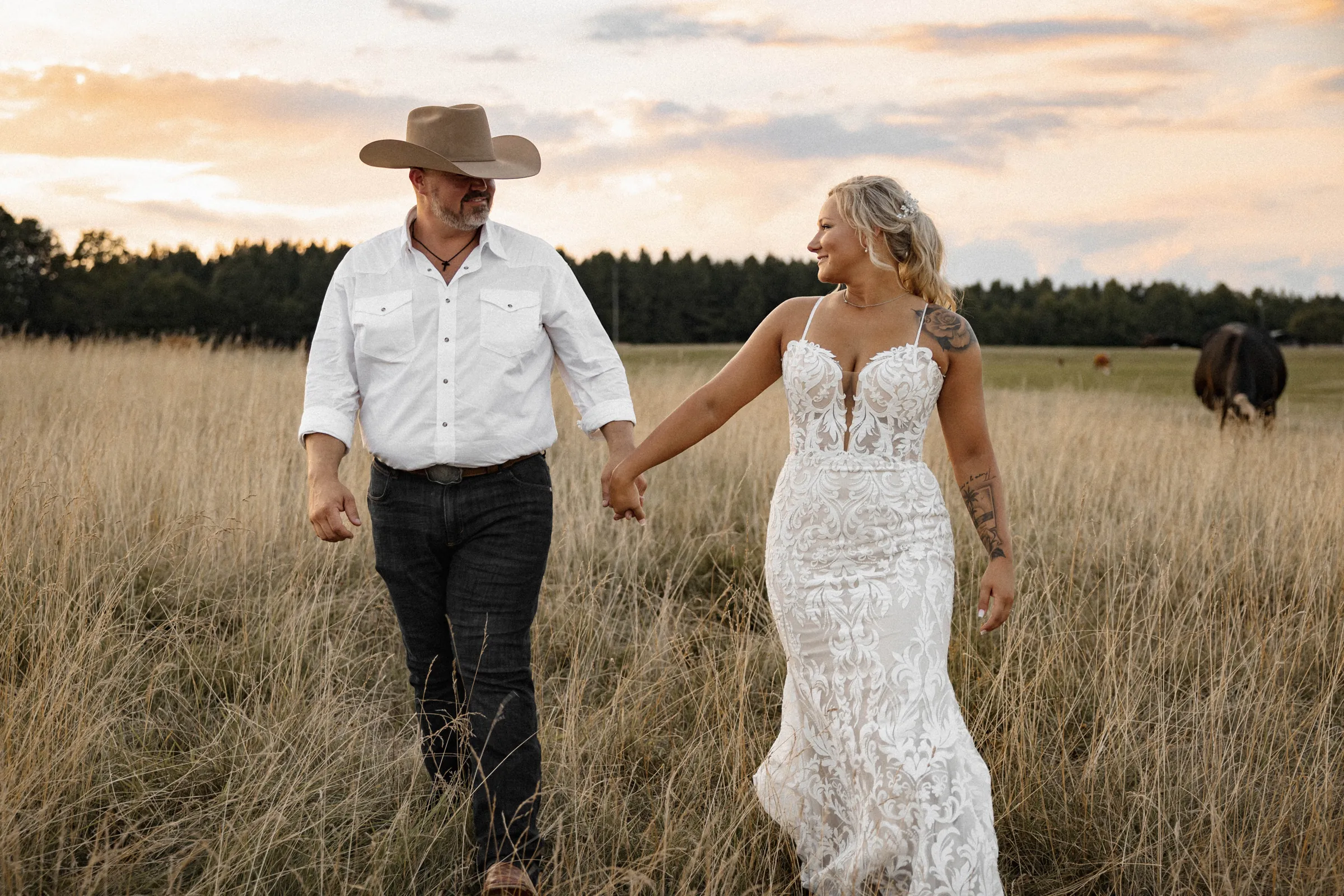

A small wedding is not a large wedding with fewer chairs. It is a chance to make the guest list, setting and schedule feel more like the two of you. When the room holds the people you know best, a meal can become a conversation, a ceremony can feel unhurried and the details can serve the day instead of competing for attention.
The planning still matters. Your legal paperwork, venue agreement, vendor commitments and day-of timing need the same care they would for any celebration. What changes is the way you make decisions. This small wedding checklist starts with the choices that shape everything else, then helps you keep the rest appropriately simple.
Your small wedding checklist at a glance
- Choose the feeling you want guests to take home.
- Set a guest-count range and a complete budget.
- Pick a date window, then find a venue that supports the day you want.
- Book the people and services that matter most to you.
- Make the guest experience clear, comfortable and personal.
- Write a simple day-of plan, then leave room to enjoy it.
1. Decide what “small” means to you
There is no universal guest count that turns a wedding into a small wedding. Some couples mean an immediate-family dinner. Others picture 40 or 50 favorite people around a dance floor. Before you make a spreadsheet, talk about the atmosphere you want: lingering dinner, a relaxed farm weekend, a short ceremony followed by a big meal, or a lively evening with everyone you would invite to your home.
Choose three words for the experience, such as warm, easy and celebratory. They give you a useful filter when invitations, flowers, music and extra ideas begin competing for the budget. If an option does not make the day feel more like those words, it may not need a place on the list.
Give yourselves permission to define the day by connection rather than by scale. A close celebration can still have an elegant ceremony, a beautiful meal and a full evening of music. It can also be as simple as a meaningful set of vows followed by time around one long table. The useful question is not whether the plans look impressive on paper. It is whether the choices make it easier to be present with the people you invited.
This is also the moment to decide what you do not need. A smaller wedding does not have to include every tradition, but it should include the moments that matter to you. Keep a first dance, a private letter exchange, a family-style meal or a full dance floor because you want it, not because it appeared on someone else’s checklist.
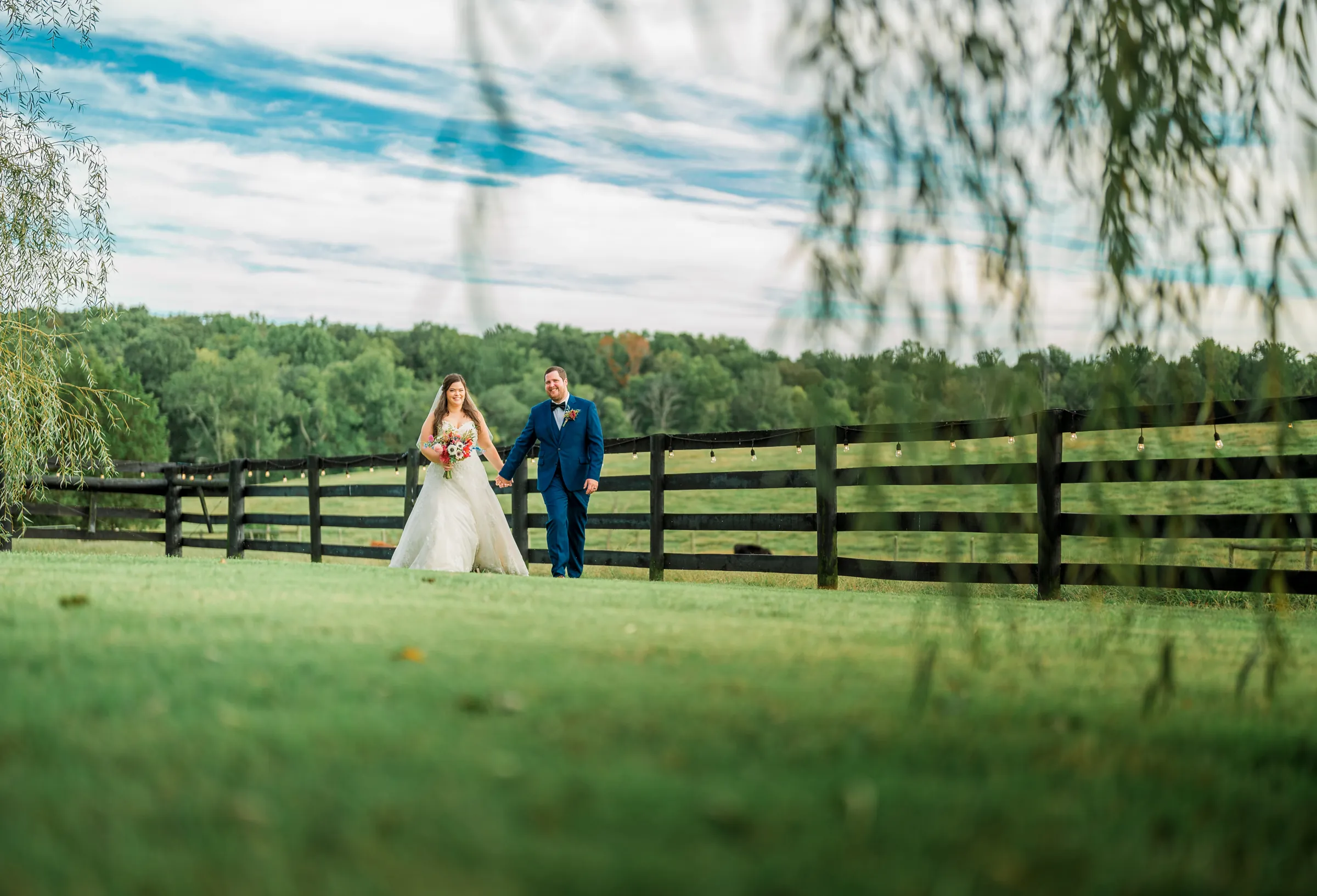
2. Set the guest list before you price the day
Your guest count affects nearly every practical decision: how much food you need, how many tables fit comfortably, how many invitations to order and how much room you want for mingling. Start with a range instead of a rigid number. A likely count and a maximum count make venue and catering conversations more useful than simply saying you want something intimate.
Make two lists together. The first is the people you cannot imagine celebrating without. The second is the people you would be delighted to include if the budget and space allow. That approach gives you a clear first invitation group without making the later decisions feel like a referendum on every relationship.
A smaller list can create more freedom, but it does not erase the need for a comfortable room. Ask a venue how the ceremony, dinner and dancing will feel at your expected headcount, not merely what the building can hold at maximum capacity. The goal is a space that feels full of life, not one that feels either crowded or half-empty. Oak Creek’s venue tour checklist can help you record those answers while you walk the property.
If your list is still moving, tell the venue that plainly. A good conversation covers the number you expect, the number you could reach and how either one changes the layout. That is much more useful than trying to finalize every RSVP before you have a date, a room or a realistic picture of the cost.
3. Build a budget around the experience, not just the guest count
A smaller group often reduces costs that multiply per guest, including meals, drinks, place settings, favors and postage. It does not automatically lower a venue rental, photography package, band or floral minimum. Ask for a full estimate based on your likely date and count, then list what is included and what still needs to be arranged.
Put the biggest priorities at the top first. You might care most about having everyone stay for a long dinner, a photographer who captures candid conversations, a favorite band, or a beautiful setting where no one needs to rush. Allocate money to those things before adding decorative extras. The site’s wedding venue cost guide offers a helpful way to compare a starting price with the actual work, rentals and time a venue asks of you.
Keep a modest reserve for the details that emerge after booking. Delivery fees, alterations, gratuities, permits and an extra hour of coverage are easier to handle when they are expected. A small wedding can feel especially generous when the budget has room for the parts guests will remember, such as a good meal, a warm welcome and time together.
4. Choose a venue that works at your scale
A venue should support the wedding you are actually having. Ask about the smallest event it hosts comfortably, the best layout for your group, available tables and chairs, backup options for weather and the time you can use the space. You are looking for a place that makes a close gathering feel intentional rather than like a scaled-down version of someone else’s event.
Walk through the day in order. Where will guests park? Where will you gather before the ceremony? Is there an easy place for cocktails while portraits happen? Does the dinner layout leave room for conversation and a dance floor? A thoughtful visit reveals more than a capacity number. Bring the wedding venue comparison checklist and keep the same notes for every tour.
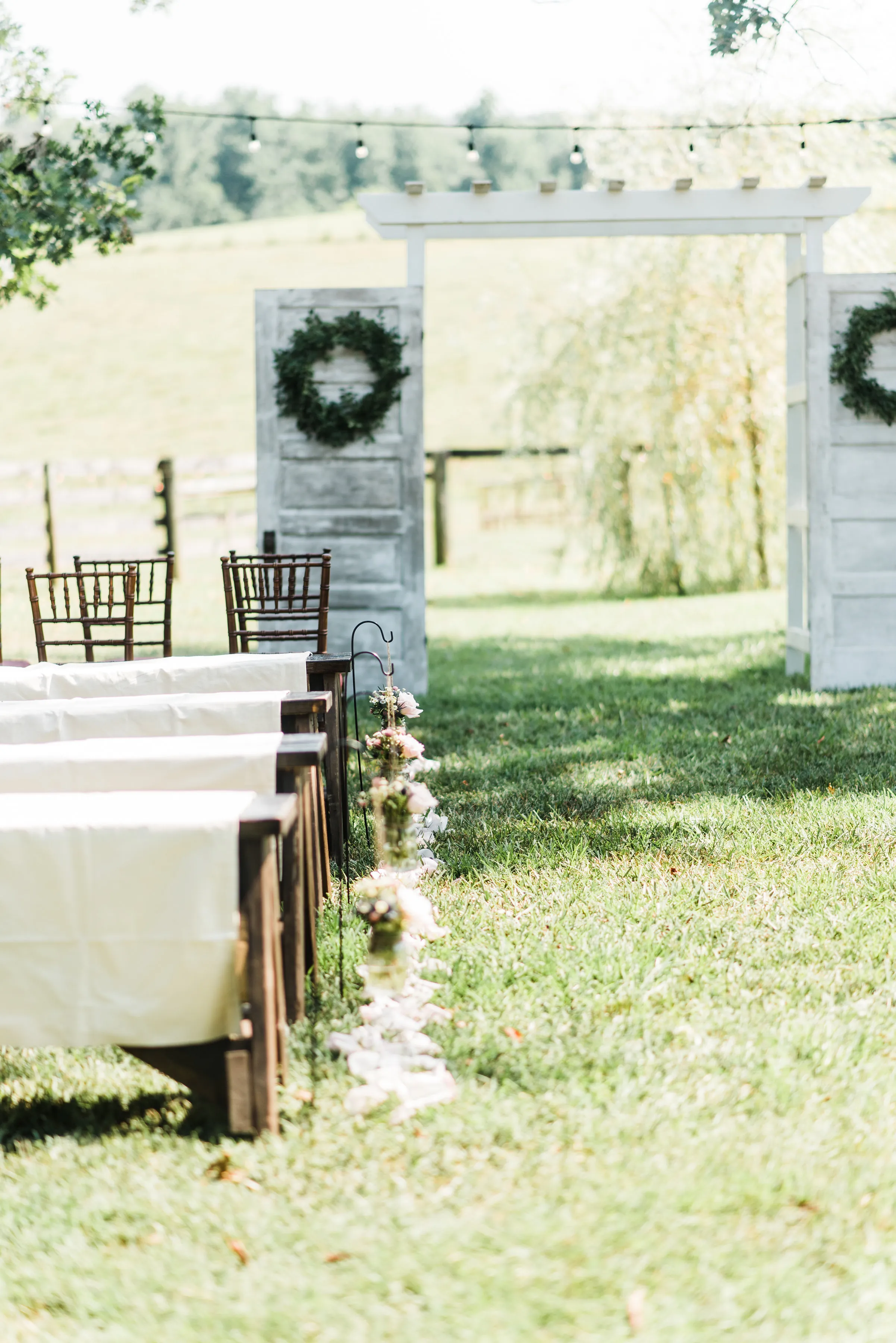
At Oak Creek Farm, a smaller celebration still has room to stretch out: the field offers a natural ceremony setting, the barn gives guests an indoor place to gather and Friday access lets couples rehearse and set up before the wedding day. Tables, chairs, ceremony and reception setup, décor closets and day-of support are already part of the venue experience. That means a small group can spend less time coordinating logistics and more time being together.
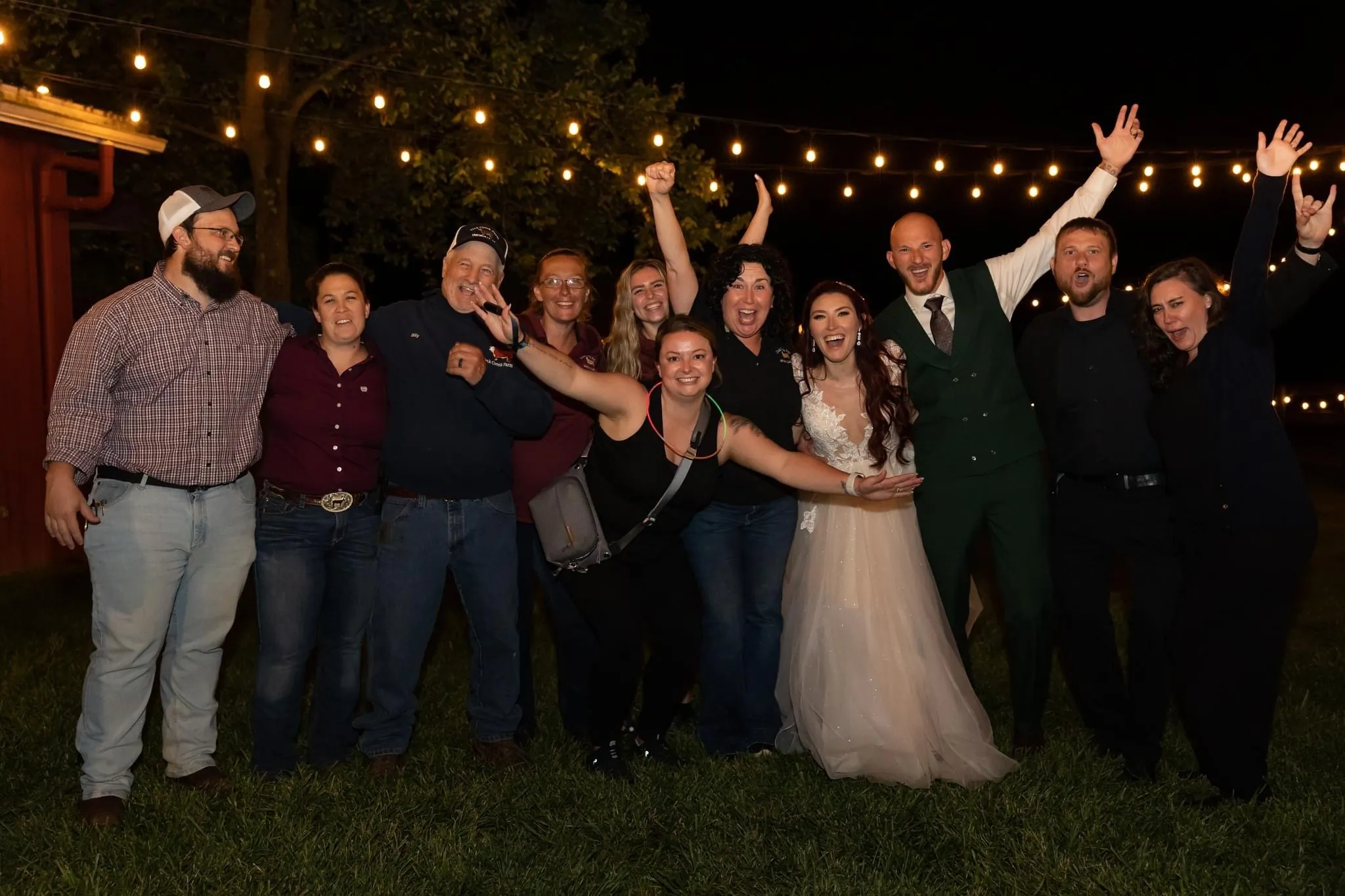
5. Book the vendors that carry the day
Small does not mean casual in a way that leaves people guessing. Choose the professionals, or trusted people, who make the experience run smoothly: an officiant, food and drink plan, photography, music and anyone coordinating the day. A smaller guest list may let you choose a more personal format, such as a restaurant-style dinner or a live acoustic set, but each choice still needs a clear owner and timing.
Ask vendors about minimums, travel, setup time and what they need from the venue. Caterers may have a food-and-beverage minimum; photographers may have a minimum number of hours; florists may need access well before guests arrive. Oak Creek couples can use insured vendors of their choice, which gives you room to build a team that fits your plans. The wedding venue package guide can help you separate an inclusion from a service you still need to book.
If you are serving alcohol in Virginia, confirm the arrangement with your venue and bartender early. Virginia ABC explains that one-day licenses may be required for alcohol served at an unlicensed location, and its licensing page notes an average processing time of 7 to 10 days. Review the Virginia ABC banquet-license guidance for your own circumstances rather than relying on a general rule.
6. Make the guest experience feel thoughtful
With a shorter guest list, every person has more of your attention. Use that to make the day easy to navigate. Share the address, start time, parking instructions, dress guidance and lodging suggestions early enough that no one has to chase down details. If guests are traveling, point them toward the area and let them know whether there is a welcome gathering or a relaxed breakfast the next day.
Consider the room as your guests will. Seat older relatives where they can move comfortably, leave clear walking paths and make sure everyone can hear the ceremony and toasts. A smaller dinner is a chance to take your time, so build in a real pause for people to eat and talk rather than racing immediately through every formal moment.
The paperwork deserves the same attention. For a Virginia celebration, the state’s Office of Vital Records directs couples to the circuit court that will issue their marriage license, because requirements can vary by court. Confirm the details directly with the appropriate court, then give yourselves enough time for the legal steps and your officiant’s process.
7. Create a simple timeline and protect the unplanned moments
A small group needs less crowd management, not less direction. Write down the key times: vendor arrival, getting ready, ceremony, family photos, cocktails, meal, toasts, dancing and departure. Send the version each person needs to the people who will use it. Your photographer needs a photo window. Your caterer needs the meal time. Your family needs to know when to be ready.
Then add breathing room. Leave enough time after the ceremony to hug your people. Let the meal last. Take ten quiet minutes together while guests move into cocktails. The wedding venue timeline and outdoor wedding checklist can help you think through access, weather decisions and the handoffs that make a farm wedding day feel calm.
Keep one person in charge of small questions on the day, whether that is a coordinator, planner or organized friend. They can guide deliveries, answer a vendor text and point a guest toward the right place. You should not have to manage the timeline while you are getting married.
8. Do a final one-page review
In the final weeks, make one short document with the address, contacts, timeline, vendor arrival points, family-photo list and a few important reminders. Read it aloud together. If something is unclear on paper, it will be harder to solve when everyone is dressed and moving around the venue.
Confirm the agreement, payment dates, access hours, weather plan and cleanup expectations in writing. The venue contract checklist is a good final companion before you send the last payment. Then let the remaining details be simple: a good meal, a meaningful ceremony and time with the people who made the guest list.
Planning at Oak Creek
See how a close gathering can feel expansive.
Walk the field, barn and guest flow in person, then talk through Friday setup, weather planning, furnishings and the details that matter to your people.
Book a private tourFrequently asked questions
How many guests is considered a small wedding?
There is no official number. Many couples use the phrase for a celebration of about 50 guests or fewer, but the useful definition is personal: it is a group small enough that you can picture the experience you want to create for every person in the room.
Is a small wedding less expensive?
It can cost less overall because food, beverages, rentals and stationery often scale with headcount. But a smaller guest list does not automatically make every choice less expensive. A venue rental, vendor minimum or photography package may stay the same, so compare the full plan instead of assuming a smaller count solves the budget.
What should I book first for a small wedding?
Start with a guest-count range, a comfortable budget and a date window. Then choose the venue, because its location, capacity, access time and vendor policies will shape the rest of the plan. Confirm the pieces that matter most to you, such as photography or catering, soon after the date is secure.
Do small weddings still need a timeline?
Yes. A smaller group can make the day feel more relaxed, but the people serving food, playing music, taking photos and guiding guests still need a shared plan. A simple timeline with arrival times, ceremony, meal, toasts, photos and departure is usually enough.