A wedding venue package should do more than give you a starting price. It should show you what kind of planning experience you are choosing: how much is already handled, how much is still on your list and how the day will work for the people you love.
The difficult part is that two packages can sound similar while covering very different things. One may be a beautiful space with a few hours and chairs. Another may include furniture, setup, a coordinator and time to settle in. A third may include food, drinks and staff. The goal is not to find the longest list. It is to understand the list well enough to choose the right fit for your celebration.
Start with the spaces and time you can use them
Begin by asking which spaces belong to your event. Is there room for the ceremony, cocktail hour, dinner, dancing and a quiet moment away from the crowd? Are getting-ready rooms included? If you are planning outdoors, ask to see the indoor weather plan rather than relying on a description. You want to know what happens when the day moves from one moment to the next, not simply what the venue looks like in a favorite photo.
Then look at the clock. A package may list six or eight event hours, but that does not always mean you have six or eight hours to decorate, rehearse, welcome vendors and collect your belongings. Ask when you, your wedding party and each vendor may arrive, whether there is a rehearsal window and when cleanup must be complete. Those details shape the pace of the whole weekend.
At Oak Creek Farm, Friday access is available for rehearsal and decor setup before the wedding day. That gives couples room to prepare without trying to fit every decision into Saturday morning. As you compare venues, use the same timeline question at every tour, then add the answers to your venue comparison checklist.
Look closely at furniture, decor and setup
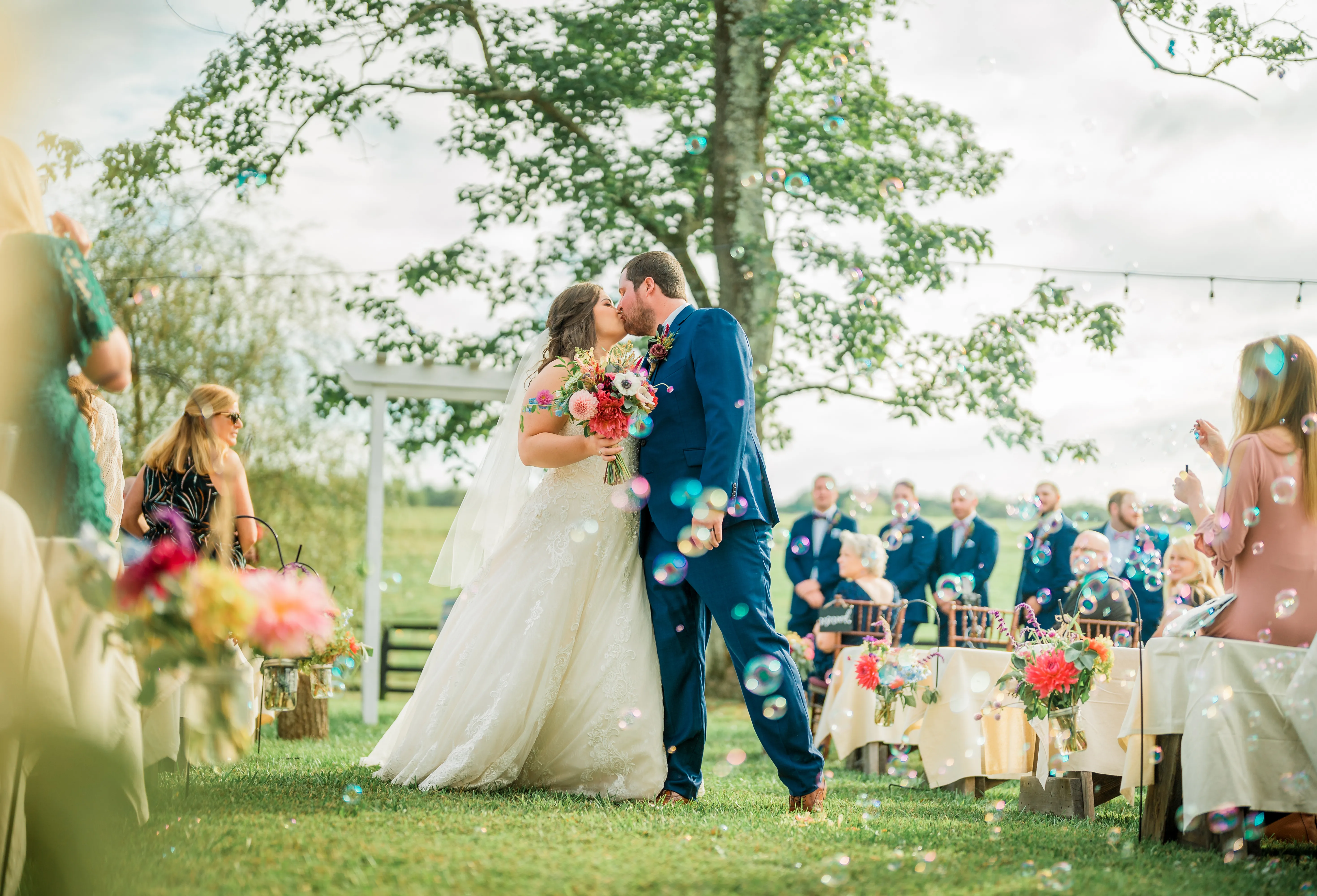
Tables and chairs are the obvious items, but they are only the start. Ask which styles, quantities and layouts are included. Find out whether the venue provides ceremony seating, reception tables, a bar, cake table, gift table, lounge pieces, linens, tableware, lighting, signs or a dance floor. A package can be a strong value when the pieces you would otherwise rent, transport and return are already in place.
Just as important, ask who sets those items up. Does the venue arrange tables and chairs based on your floor plan? Will someone move the ceremony setup before dinner? Who handles breakdown? A package with setup and breakdown can remove a surprising amount of pressure from family and friends at both ends of the day.
Some places include a few decorative accents, while others provide only the foundation. Neither approach is automatically better. The right choice depends on whether you want to bring a very specific design or use what is already available. Oak Creek's included decor and inventory list shows the kind of details worth asking about, from ceremony pieces and signage to lanterns, vessels and serving items.
Understand what “all-inclusive” really covers
“All-inclusive” is helpful only after you see the actual inclusions. Wedding resources use the term for packages that combine event space with some mix of rentals, food, drinks and coordination, but the mix is not standard from one venue to the next. The breakdown from The Knot is useful here: even fuller-service packages can vary in their coordinator role, rentals, catering, bar service and optional upgrades.
Think of packages in three practical groups. A venue-only rental gives you the setting and may include basic furniture, but you arrange most services yourselves. A middle-ground package adds useful support such as furniture, setup, a bar program or venue coordination while leaving room to choose your own caterer, photographer and florist. A full-service package may bundle food, beverages, rentals and more staff into one agreement.
The best group is the one that matches how you want to plan. Couples who love choosing every supplier may prefer more flexibility. Couples with a busy season ahead may value fewer handoffs and a clearer foundation. What matters is knowing which decisions remain yours after the contract is signed.
Ask about food, drinks and vendor flexibility
Food and bar service can change both the budget and the guest experience, so read these sections line by line. If catering is part of the package, ask what meal styles are available, how dietary needs are handled, what service staff are included and whether tastings are part of the process. If catering is not included, ask about kitchen access, loading areas, required insurance and any approved-vendor rules.
For bar service, ask what is included, who provides the bartender, what permits or insurance apply, whether you may bring alcohol and how service ends at the close of the event. Do not assume that an open bar, glassware, mixers, ice or staff is part of a listed beverage package. Those answers should be clear before you compare one quote with another.
Vendor flexibility deserves the same care. A preferred list can be genuinely helpful when it gives you experienced local options. A required list is a different commitment. Ask whether you may bring an insured vendor of your choice, whether a fee applies and who approves vendor timing. Oak Creek Farm provides a preferred list while allowing couples to use insured vendors of their choice, which is one of the questions covered in the frequently asked questions.
Do not skip guest comfort and day-of support
A package is not only about what sits on a table. It also shapes how guests move through the day. Ask about parking, restrooms, paths, lighting after sunset, heat or rain options, accessibility and places for older relatives to sit comfortably. Look at the ceremony and reception as your guests will experience them, from arriving to finding their car at the end of the night.
Ask who is on site during setup, the ceremony, the reception and cleanup. A venue coordinator is valuable because they know the property, but their job is not always the same as a wedding planner's. A coordinator may manage venue logistics and vendors at the property, while a planner can guide the wider design, budget and vendor team. The all-inclusive venue guide from Here Comes The Guide makes the same distinction and recommends confirming the coordinator's exact role.
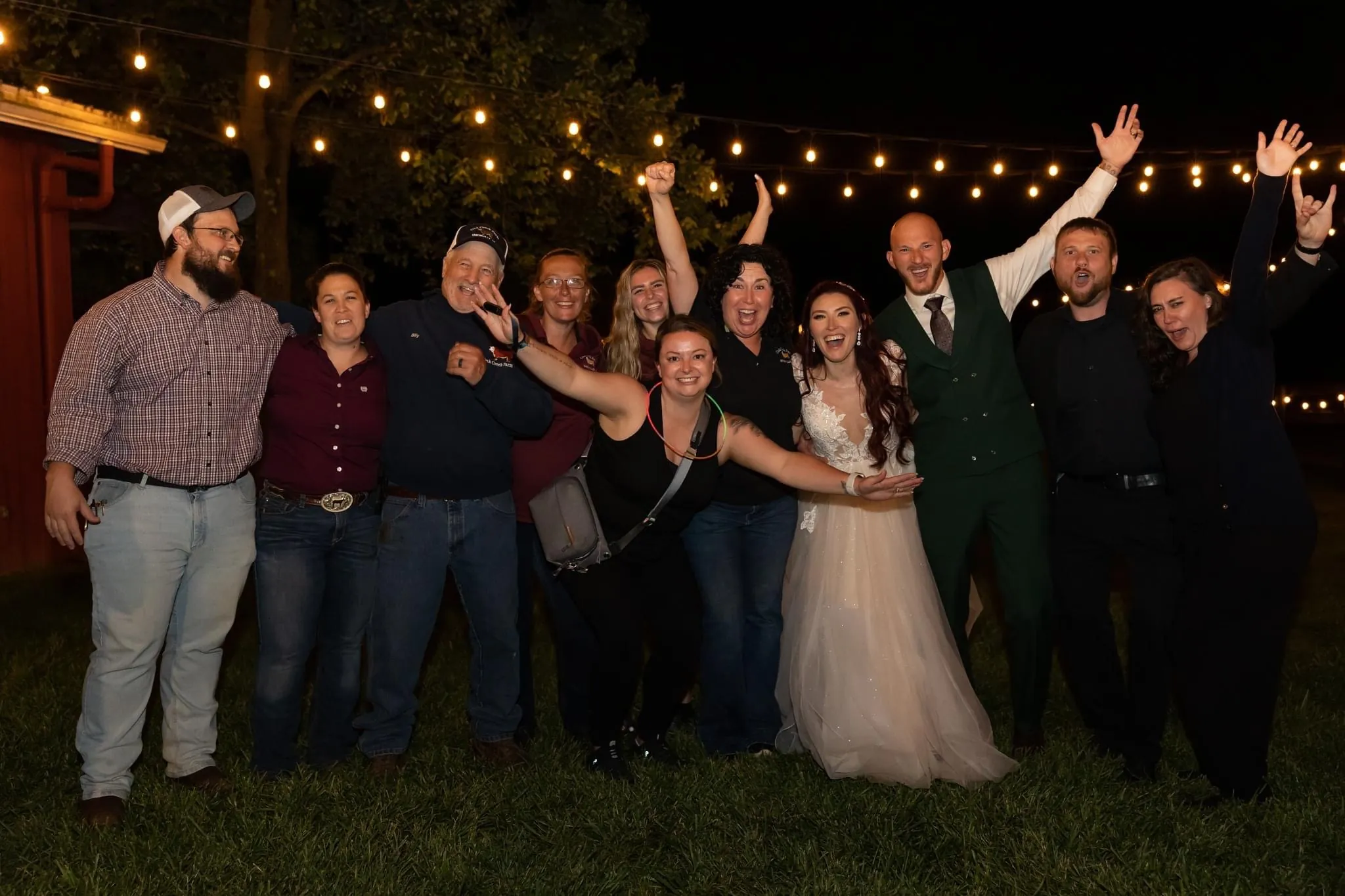
Oak Creek Farm hosts one wedding each week, so the team can focus on one celebration at a time. That may matter more to you than a long amenity list if calm access, a thoughtful weather plan and hands-on day-of support are high on your list.
Separate included, optional, required and excluded items
A package becomes much easier to read once every item has a clear label. Included means it is part of the price you were quoted. Optional means you may add it, usually for another fee. Required means the venue expects you to use or purchase it, even if it is not part of the first number you saw. Excluded means you need to arrange it somewhere else. Those four labels stop the word “package” from hiding important decisions.
Ask for a current written proposal based on your date and estimated guest count, then make those four columns on paper. Include rentals, food, bar service, service staff, parking, security, insurance, delivery, setup, cleanup, taxes and service charges. If a line item has no clear label, ask the venue where it belongs. It is much easier to get an answer before you reserve than after vendors have been hired.
This is also the moment to ask about changes. Does the price change if your guest count rises or falls? Are there minimums for food or beverages? Does an extra hour include staff, or just use of the room? Will a holiday weekend, a ceremony rehearsal or a late pickup add a charge? A detailed proposal is not an awkward request. It is how both you and the venue make sure you are planning from the same assumptions.
Use the tour to test the promise behind the package
A written list matters, but a tour tells you how the list feels in real life. Stand where you would get ready. Walk the route a caterer would use. Look at the rain-plan room with your expected guest count in mind. Ask where gifts, personal decor and overnight items go at the end of the night. Imagine an older relative walking from parking to the ceremony, then imagine your vendors arriving with everything they need.
Bring the package with you and ask the venue to point out the parts that are included. This can reveal useful details that a proposal cannot show, such as the condition of chairs, the amount of shade, the space available for a buffet line or how a room changes from ceremony to reception. It also gives the venue a chance to explain how their team handles the transitions that often make a wedding day feel rushed.
Use the venue tour checklist alongside the package so you are not relying on memory afterward. Take a photo of any floor plan or included-item list the venue allows you to keep, write down the answers that matter most and give yourselves time to compare the same questions across every place you visit.
Turn every package into a complete comparison
Before you decide, request a written proposal based on your date, expected guest count and preferred spaces. Then make four columns: included, optional, required and not provided. Put every item in one of those columns, including taxes, service charges, deposits, insurance, overtime, delivery, staffing and cleanup. This turns a polished brochure into a useful planning document.
Compare the full cost with the work each option leaves on your plate. A lower rental fee can still be right for a couple who wants a blank canvas. A more complete package can be right for a couple who wants more time together and fewer logistics to manage. Check the details before you sign by using the wedding venue contract checklist, then keep the final proposal with your planning notes.
Finally, write down the questions you still have and ask them before you reserve a date. You should know where your guests will gather, what your vendors need to bring, who is handling setup and what could change the final total. A clear package makes it easier to enjoy the choices that are personal, rather than spending the wedding weekend solving preventable details.
Frequently asked questions
What is usually included in a wedding venue package?
Every package is different, but a venue may include event space, a set number of hours, tables, chairs, setup, cleanup, a getting-ready space, parking, a coordinator or a preferred vendor list. Some packages also include food, bar service, linens, tableware, decor, lighting or lodging. Ask for the details in writing before comparing prices.
Does all-inclusive mean everything is included in a wedding venue package?
Not always. The phrase can describe very different packages, so ask exactly which services, rentals, staff and fees are included. Confirm what is optional, what is required, what is charged per person and what you would need to arrange with another vendor.
Should I choose a venue-only or an all-inclusive wedding package?
Choose the package that fits the amount of planning you want to manage. A venue-only rental can offer more flexibility, while a more inclusive package can reduce the number of rentals, vendors and day-of details you need to coordinate. Compare the complete cost and the practical work involved, not only the starting price.
What costs are often left out of a wedding venue package?
Possible exclusions include catering, alcohol, service charges, taxes, additional event hours, specialty rentals, delivery fees, staffing, insurance, cleanup for personal items and vendor fees. Ask the venue to show a sample quote based on your date and guest count, then read the payment and change terms before reserving.