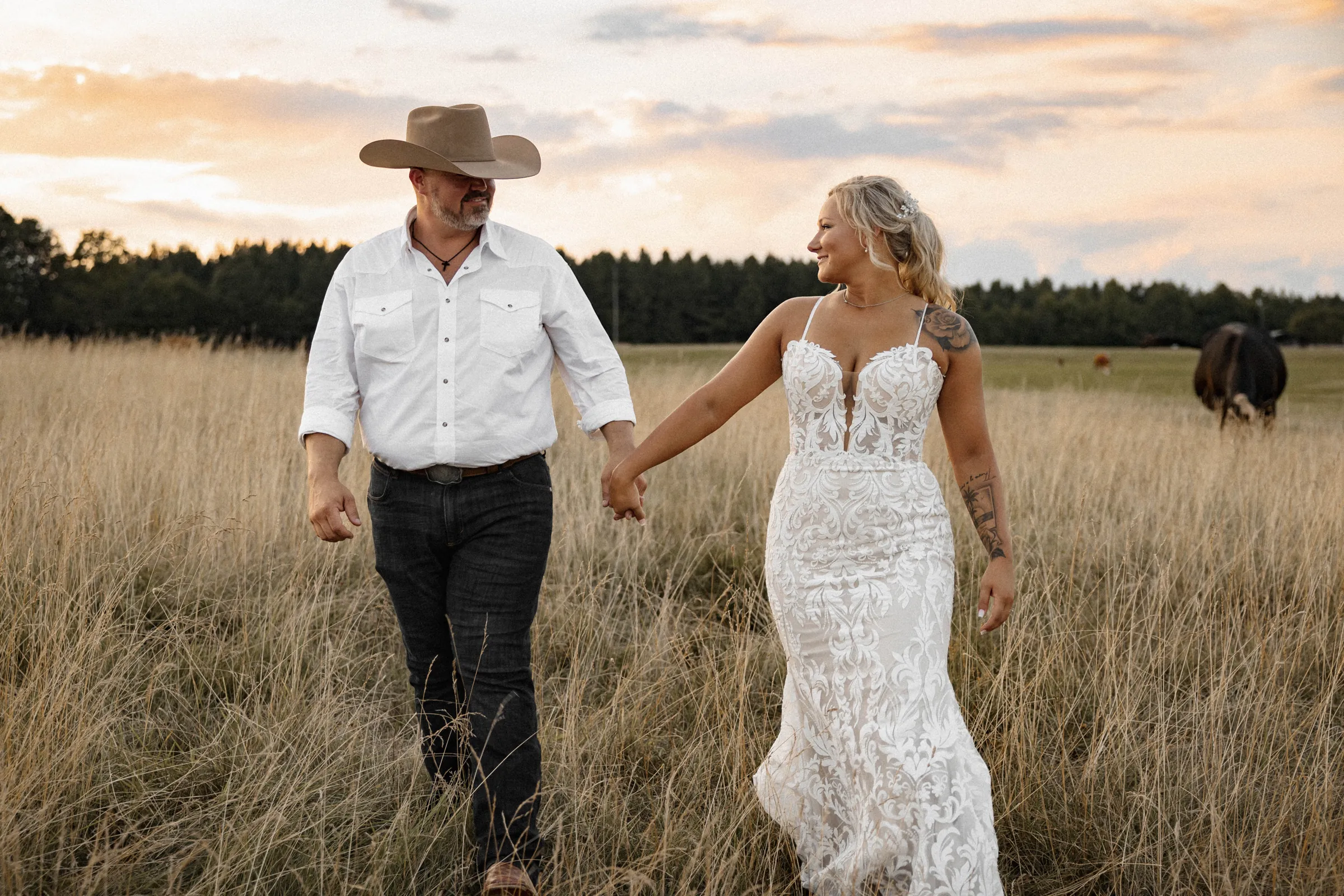
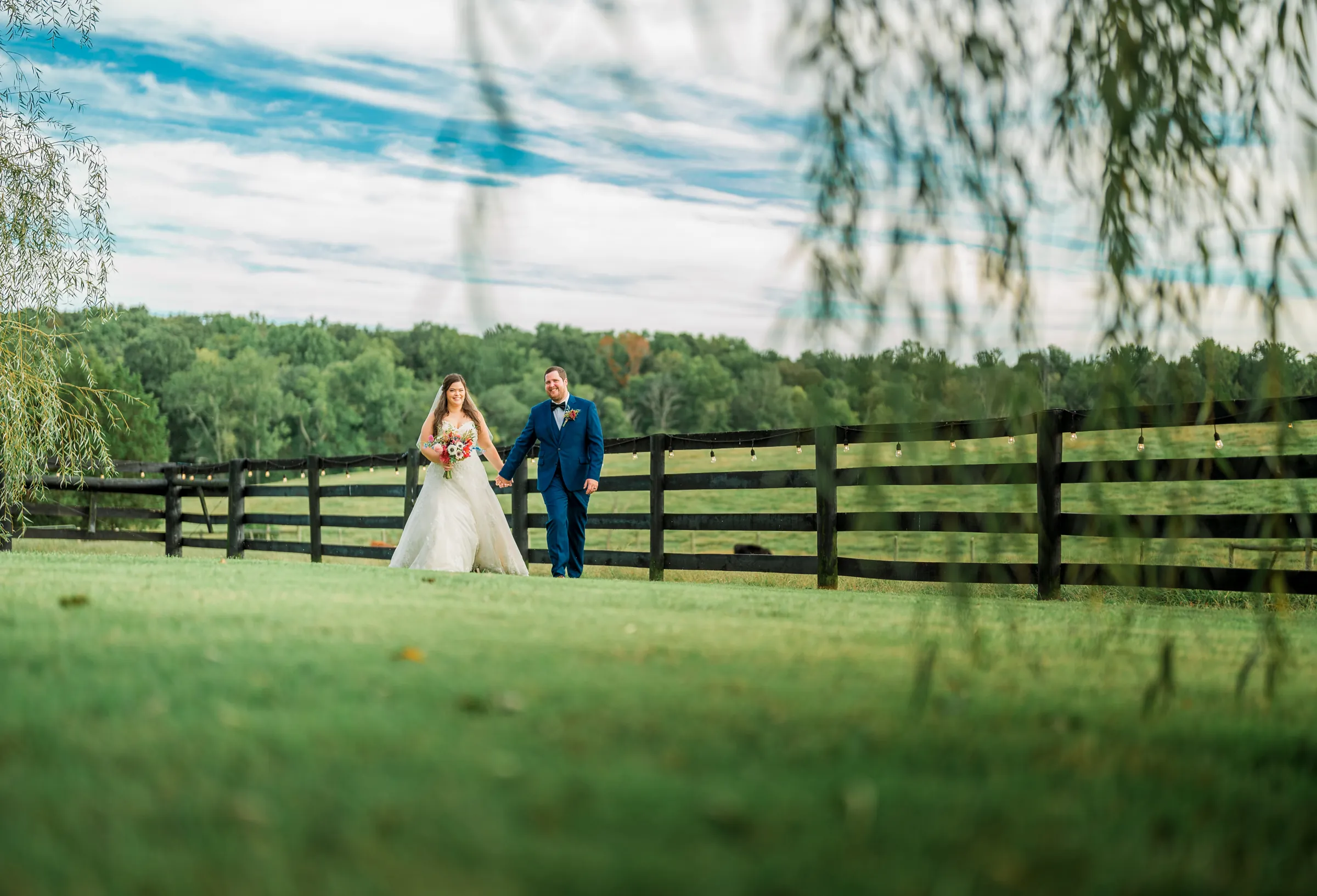
A venue tour is not an audition where you need to say yes on the spot. It is your chance to understand how a place will hold the people, plans and little surprises that make up a wedding day. The right questions turn a beautiful first impression into a decision you can feel calm about.
Keep this checklist on your phone, take notes while you walk, and ask each venue the same core questions. You will spot the difference between a venue that photographs well and one that genuinely makes your weekend easier.
Wedding venue tour checklist
- Is our date available, and when can we set up, rehearse and clean up?
- What is the full expected cost, including deposits, taxes and fees?
- Which furniture, decor, spaces and services are included?
- Who sets up, coordinates and handles cleanup?
- How will guests move through the ceremony, cocktail hour and reception?
- What is the weather backup plan, and can we see it?
- Which vendor, catering and bar rules apply?
- Will the space be comfortable for our guest count?
1. Is our date available, and how much time do we actually have?
Start with your preferred date, but do not stop there. Ask whether the venue hosts more than one event at a time, when you and your vendors can arrive, when guests must leave and when cleanup must be complete. A lower price can look different once you learn that setup, rehearsal or collecting your belongings must happen in a narrow window.
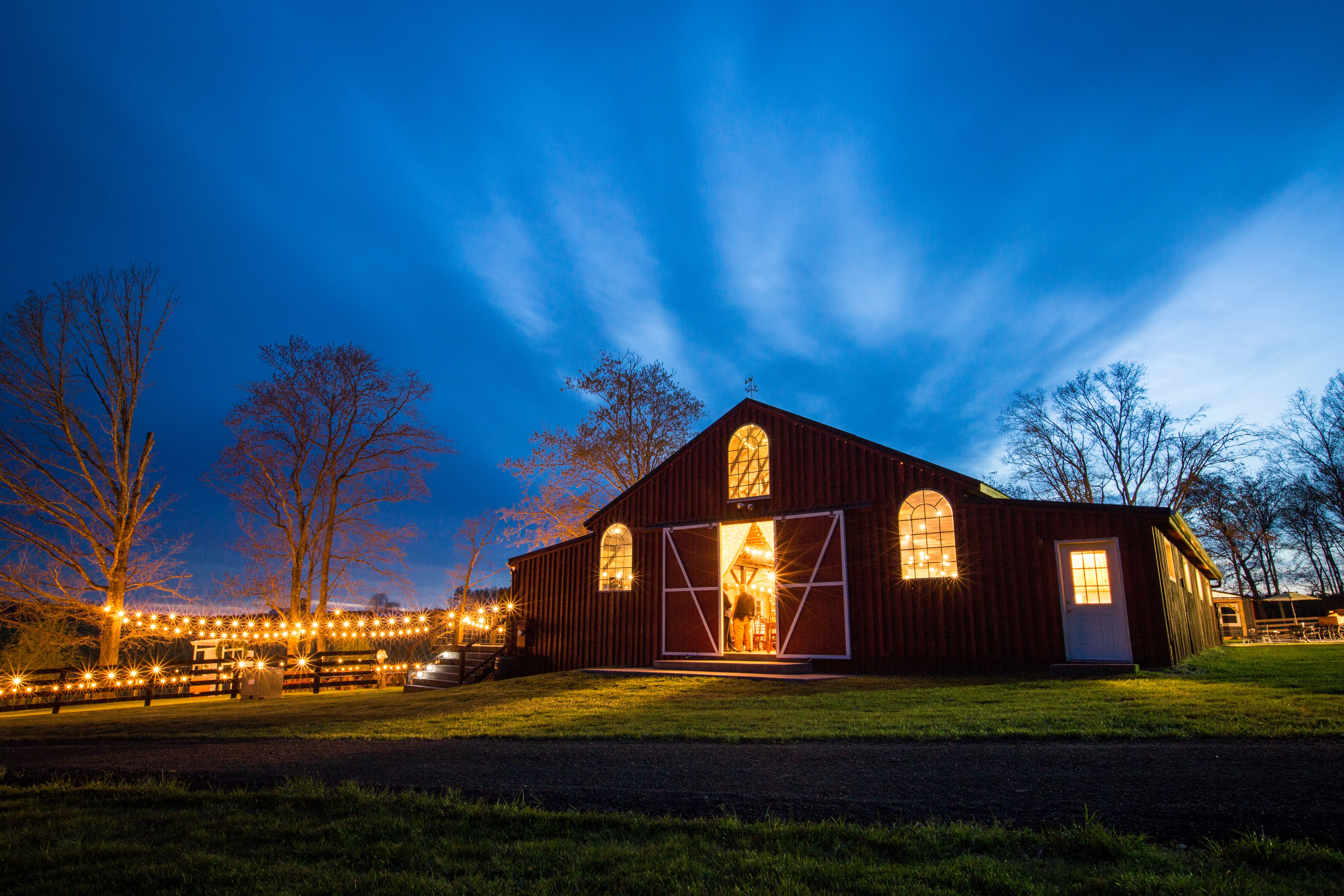
Ask whether you can use the space the day before. Time for a rehearsal, decorating and a quiet walk-through often protects the wedding day from feeling rushed. At Oak Creek Farm, couples have Friday access for rehearsal and décor setup, then return Saturday with a plan already in place. Review the venue's full planning detailsagainst your own ideal timeline.
If your date is flexible, ask which nearby dates offer the same experience and whether the season changes the light, landscape or guest comfort in ways that matter to you. A Friday, Sunday or shoulder-season date can be a smart fit, but only when the timing still works for the people you most want beside you. Write down the answers before the next tour so you are comparing real options rather than trying to remember a conversation from a busy afternoon.
2. What is the complete cost, and what could change it?
Ask for the full rental price, the payment schedule, any refundable deposits, taxes, service charges and potential overtime fees. Then ask what happens if the guest count, date or weather plan changes. Clear answers make it easier to compare venues fairly instead of comparing a starting number at one place with a more complete package at another.
It is also worth asking whether pricing changes by season, day of the week or event timing. The cost questions in this wedding venue tour guide from The Knot are a useful cross-check before you sign anything. Bring your own budget range, but leave room for the details that make the celebration feel comfortable, not merely possible.
A simple comparison note can help: record the base price, what is included, what you would need to rent elsewhere and how much work the venue leaves on your list. This is where a place with tables, chairs, décor and hands-on support can become the stronger value, even before you price each item separately.
Before you leave, ask the venue to explain the contract in plain language. Which amount is due first? What happens if a payment is late? Is there a cancellation or rescheduling policy? Does your final count affect the price? You do not need to expect a problem to ask these questions. You are simply giving yourselves a clear record of the commitments you are making.
3. What is included, and who handles the work?
This may be the question that changes your whole comparison. Ask for a written list of furniture, ceremony pieces, tables, chairs, linens, décor, ready rooms, parking, setup, breakdown and cleanup. Then ask which parts are handled by the venue team, which are handled by your vendors and which are left to you and your family.
Do not assume that a coordinator is a planner, that setup includes placing décor, or that a cleanup window means the venue staff will pack your personal items. The more specific the conversation is now, the fewer decisions you will be making in formal clothes at the end of the night. Oak Creek's included décor and inventorylist is a useful example of the level of detail to look for.
Look closely at the pieces you would otherwise source yourself. Tables, chairs and a ceremony setup are obvious, but ask about signs, easels, bars, lighting, serving pieces, lounge furniture and weather-friendly options too. These details shape your budget and the number of boxes someone has to transport, set out and collect after the celebration.
4. How will the day move from one moment to the next?
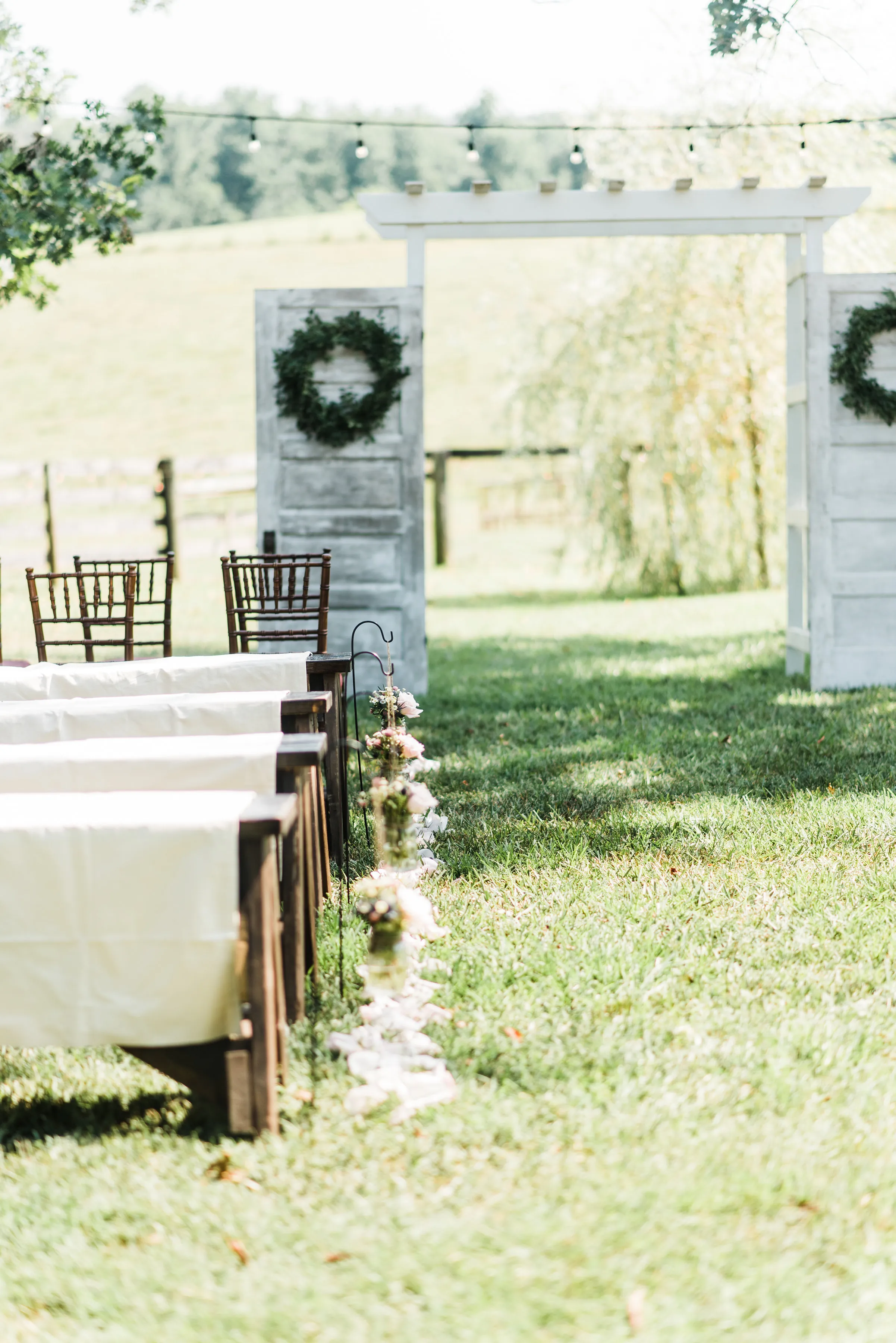
Picture the day in order: getting ready, first look, ceremony, cocktail hour, dinner, toasts, dancing and exit. Ask where each moment happens, how guests move between spaces and what is happening while a room is being reset. A setting can be gorgeous and still create unnecessary bottlenecks if the flow is not thought through.
Ask about the spaces guests do not always see in photos: restrooms, parking, lighting after sunset, paths for older relatives, vendor load-in and a private place to take five minutes together. Check thereal wedding gallery for how different celebrations use a venue, then ask what made those transitions work.
It also helps to ask who is present on the wedding day and what they handle. A venue coordinator can keep the space ready and the timeline moving, but roles vary. Ask for a clear description of what support is included, when that person arrives and how they communicate with your vendor team.
Ask what the venue has learned from past weddings with a guest count like yours. A seasoned team should be able to talk through a realistic cocktail-hour location, where a buffet line works best, whether the dance floor changes the seating plan and how the ceremony can stay personal without delaying the rest of the day. Specific answers are more useful than a generic promise that the space is flexible.
5. What happens if the weather changes?
Every outdoor ceremony needs a real backup plan, not a hopeful sentence. Ask to stand in the rain-plan space, see where the ceremony would be arranged and understand whether it can comfortably hold your guest count. Ask who makes the weather call, when it is made and whether the backup affects the reception layout or vendor timing.
Also ask about heat, wind, mud, parking and lighting. A thoughtful answer should make you feel that the venue has already considered the practical side of its beautiful setting. Touring a farm venue is a chance to enjoy the landscape and ask sensible questions about how the day stays welcoming in every forecast.
If a venue describes a backup plan, ask to see it as a complete celebration rather than a last-minute compromise. Where will the aisle be? Can your musicians, florist and photographer still do their work? How much notice will they receive? The goal is not to plan for a disappointing day. It is to know that you will still be happy to gather everyone in the room if the weather has other ideas.
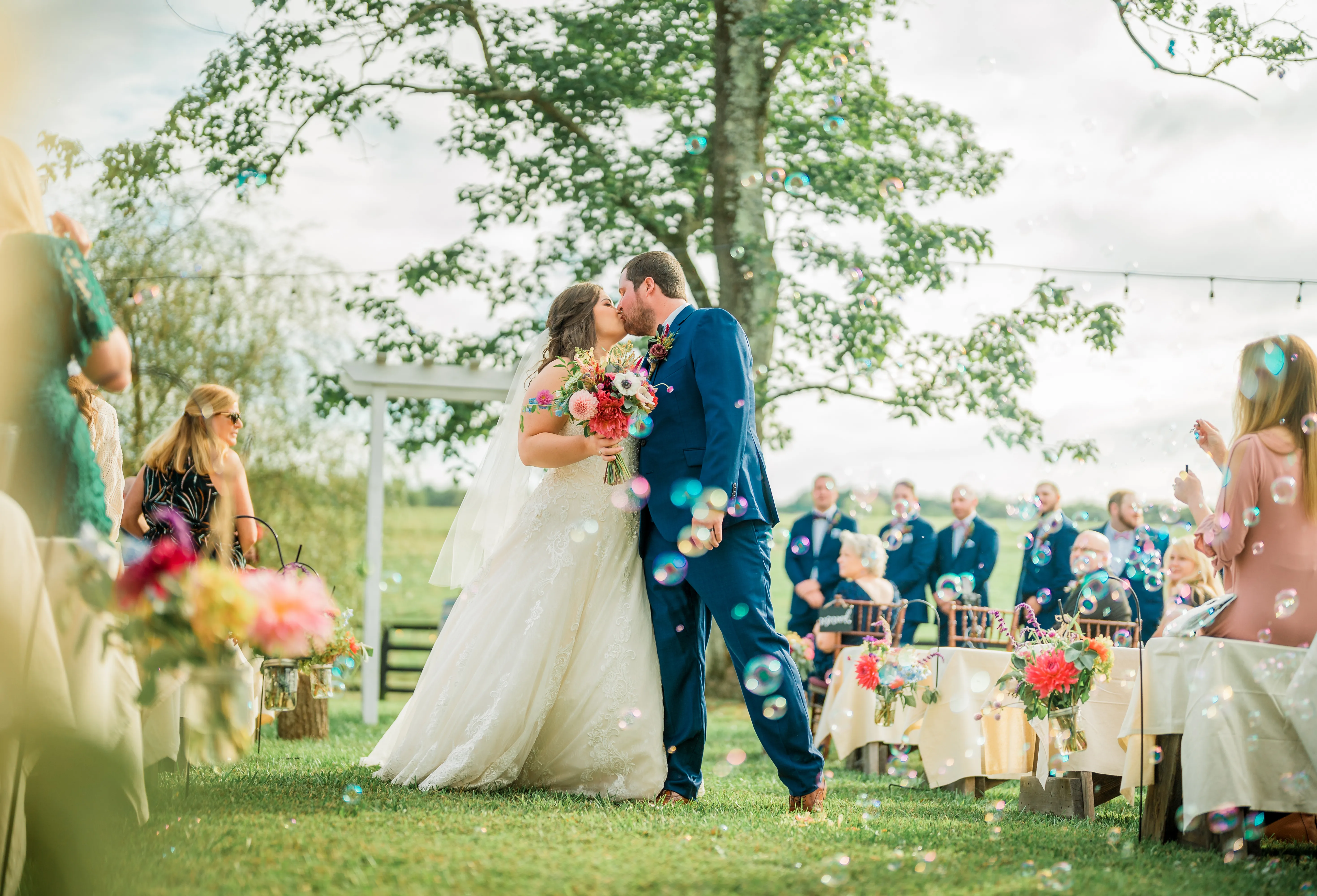
6. What are the vendor, food and bar rules?
Ask whether you may choose your own caterer, bartender, florist, photographer and band or DJ. If the venue has a preferred list, ask whether it is a recommendation or a requirement, and whether there are extra fees for outside vendors. You want a team that fits your style, budget and guest experience without discovering restrictions after contracts are signed.
Food and drink deserve their own conversation. Ask about catering prep space, refrigeration, power, serving areas, trash, last-call timing and alcohol rules. In Virginia, a private event serving alcohol in an unlicensed location may need a one-day Virginia ABC banquet license. Confirm what applies to your event directly with the venue and the state, and ask about bartender requirements well before the wedding week.
You can also ask what the venue expects from vendors before they arrive. Some places need certificates of insurance, load-in appointments or advance layout approval. A short vendor guide is a good sign that the venue is protecting the day's flow. For another useful tour checklist, compare your notes with this venue-question guide from Here Comes The Guide, then keep only the questions that matter to your celebration.
At Oak Creek Farm, couples may use insured vendors of their choice and have a preferred list available. You can ask about the details during aprivate tour, including what helps a vendor arrive prepared for the farm.
7. Does the venue fit our guests, not just our vision board?
Ask for the comfortable seated capacity, not only the maximum number of people allowed on the property. Then talk through your likely guest count with tables, a dance floor, buffet or bar line and room for movement. A room that technically fits everyone can still feel cramped once the celebration is underway.
Consider accessibility and travel, too. Ask about parking, slopes or stairs, mobility accommodations, nearby lodging and directions after dark. For a country venue, confirm how guests will find the property and whether rideshares are realistic. Oak Creek'sdirections to the farm and nearbyFarmhouse stay show the kind of guest comfort details worth checking early.
Finally, think about the people who will need the most care from the plan: grandparents, young children, guests traveling a long distance and anyone who may need a quieter place to rest. Ask whether there are shaded areas, indoor space, clear paths and a point person guests can approach with a question. Hospitality is not only a beautiful table. It is how easy the day feels for the people you invited.
8. Can we picture our wedding here after the tour ends?
This last question is less about décor and more about how the place makes you feel. Did the team answer directly? Could you picture your people moving comfortably through the day? Did the timeline, support and rules leave you relieved, or give you more tasks to solve?
The best venue is not always the one with the most dramatic first look. It is the one that supports the celebration you want to host. Make room for the emotional response, then compare it with your written notes. That balance is how you choose a place you will still feel good about when planning gets busy.
Planning at Oak Creek
A venue tour should leave you feeling more settled.
Oak Creek Farm is built around an unhurried wedding weekend: Friday setup and rehearsal access, Saturday celebration, décor and furniture already on site, and a team that knows the farm. MeetJackie and Billy, then come see how the spaces could work for your day.
Book a private tourFrequently asked questions
What should I bring to a wedding venue tour?
Bring a rough guest count, a comfortable budget range, your preferred dates and a notes app or printed checklist. It also helps to bring the person who will share planning decisions with you, so you can compare the same details afterward.
What is the most important question to ask a wedding venue?
Ask what the total cost includes and what you will need to arrange separately. The answer affects far more than the starting price, because rentals, setup, coordination, cleanup, staffing and time on site can change both your budget and your workload.
How many wedding venues should we tour?
There is no magic number. Tour enough places to understand your options, then notice when one venue consistently fits your priorities for guest comfort, timing, support and budget. A clear comparison sheet matters more than an exhausting list of visits.
When should we ask about a weather backup plan?
Ask during the first tour, while you can see both the outdoor setting and the indoor alternative. A good plan should explain who makes the call, when it is made, how the layout changes and whether the indoor space still works for your guest count.