
A wedding venue can cost a few thousand dollars or far more, which is why a national average is useful only as a starting point. A quote might cover a beautiful empty room for a short window, or it might cover the setting, furniture, setup time, staff and a weather plan for the whole weekend. Those are not the same purchase, even when the first number looks similar.
The most helpful question is not, “What is the average wedding venue cost?” It is, “What will it take for this particular place to hold our day?” WeddingWire’s current venue cost guide puts the U.S. average at $6,000 and notes that most couples report spending $3,000 to $11,000, with location, guest count and included catering changing the picture considerably. Treat that as a broad benchmark, then use the steps below to compare real proposals with confidence.
Before you compare: ask every venue for the same five things
- The exact date, day of week and guest-count range the quote covers.
- Every included space, item, service and hour of access.
- Every required extra, minimum, fee, tax and deposit.
- What you will need to arrange or rent separately.
- The payment dates and the circumstances that can change the total.
Start with the kind of venue you are pricing
“Venue” is a broad word. A public garden, restaurant, hotel ballroom, barn, historic home and raw field can all host a wedding, but their prices describe very different experiences. A restaurant may quote a food and beverage minimum rather than a room fee. A hotel may pair its rental with catering, service charges and overnight rooms. A farm venue may offer a flat rental with more freedom to bring your own team. A raw space may appear less expensive because you are still responsible for the infrastructure.
That is why two couples can each say they paid $7,000 for a venue and mean entirely different things. One price may include ceremony chairs, reception tables, a coordinator and a rehearsal. The other may simply unlock the building for the day. When you make a wedding venue comparison checklist, give “what is included” its own full column. It is too important to leave in the notes margin.
If a venue offers a starting price, ask what date, guest count and package that figure assumes. A starting price is a useful invitation to talk, not a complete budget. The right comparison begins after the venue has priced your actual plans.
Read the headline price as the first line, not the final total
A clear proposal should make room for more than the rental fee. Depending on the venue, your total may include a ceremony fee, reception fee, food and beverage minimum, staffing, service charge, tax, security, parking, cleanup, insurance, overtime or a refundable damage deposit. None of those items is automatically a red flag. The problem is finding them after you have mentally committed to a number that did not include them.
Ask for an itemized estimate based on your preferred season, day and realistic guest range. Then ask a simple follow-up: “If nothing about our plan changes, what would still be added to this total?” That phrasing gives the venue team a chance to name the details that do not fit neatly into one line item. It also lets you compare a flat rental with a package or minimum-spend model fairly.
A venue contract checklist is helpful before you sign, but do not wait until then to ask about money. Make sure the quote identifies the deposit, payment schedule, cancellation terms and circumstances that may add a charge, such as a longer event, a larger group or a particular setup. A thoughtful venue will be able to walk you through each one plainly.
Count the things you would otherwise rent
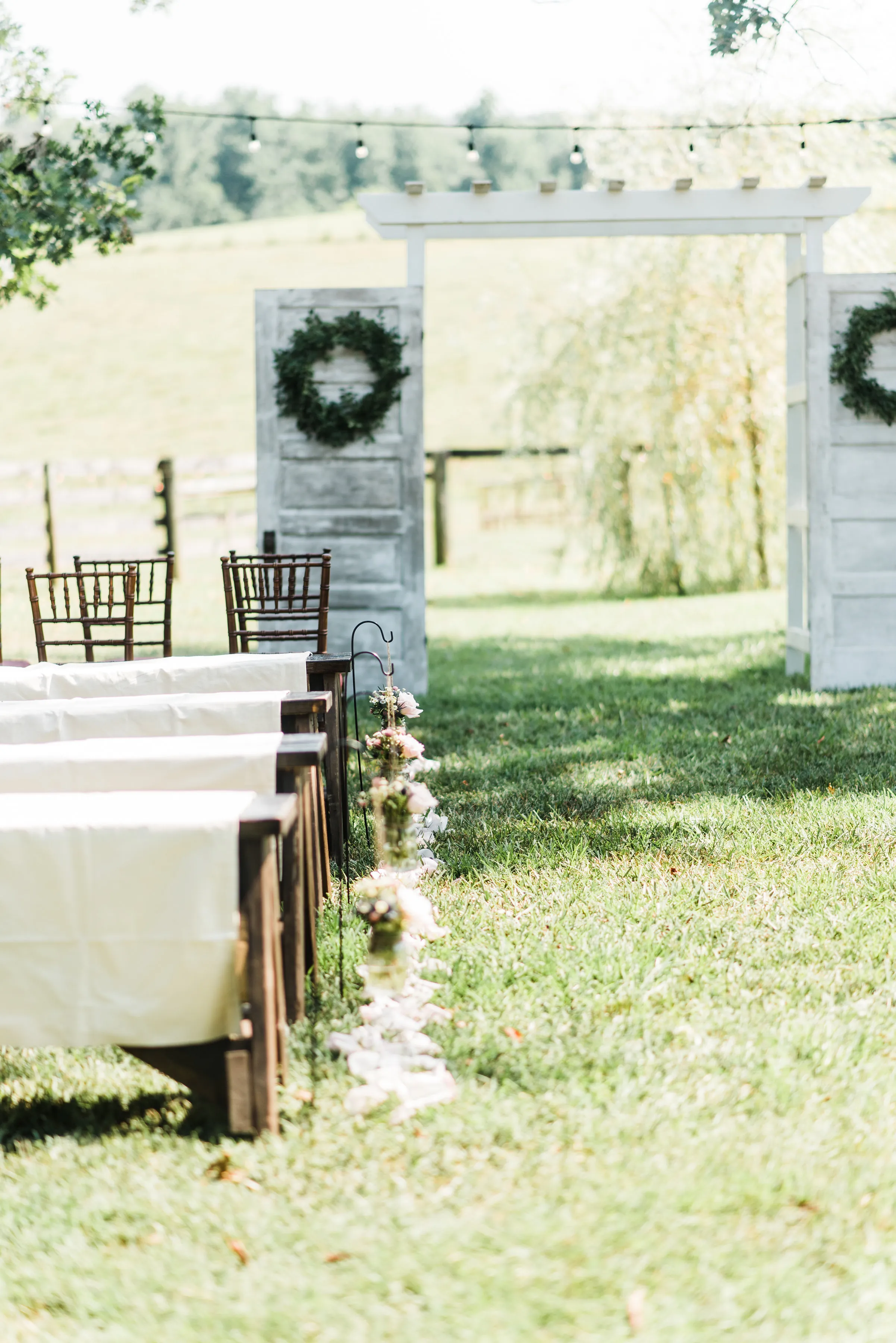
Tables and chairs are the obvious inclusions, but they are not the only ones that change the value of a venue. Look for ceremony seating, reception furniture, getting-ready rooms, cocktail tables, bar furniture, décor, lighting, linens, setup, teardown, parking, restrooms and a weather-ready indoor space. If an item is included, find out how many, what style it is and who places it. If it is not, ask whether you may bring it in yourself and when a rental company can deliver it.
The goal is not to choose the venue with the longest inclusion list. It is to choose the option whose inclusions fit your priorities. Couples who want a simple, personal day may value furniture, décor and a long setup window more than a formal package. Couples who prefer a fully hosted event may value in-house food and staffing. The right choice is the one that leaves you with fewer expensive gaps to fill.
Before a tour, browse the site’s included furniture and décor as an example of the level of detail worth asking about. A venue does not need to provide every finishing touch, but you deserve to know what is already there before you build a separate rental list around it.
Let your guest count do real budget work
Your guest count affects more than meal costs. It changes the room size, furniture plan, staffing, transportation, restrooms, bar service and sometimes the package tier. The Knot’s 2026 Real Weddings Study identifies guest count, location, timing and the number of hired vendors as major factors in overall wedding cost. You do not need a final RSVP count to tour well, but you do need an honest range.
Start with the number of guests you would be delighted to host and the highest number you could comfortably accommodate. Ask each venue to show a layout for that range, including dinner, dancing, bar service and any band or DJ setup. A room that technically fits everyone may not feel good once all the pieces of the celebration arrive.
This is also why a capacity that is much larger than your actual group is not always a bargain. You may pay for unused scale, or you may need additional design work to make the room feel gathered and warm. Choose a space that fits the experience you want your guests to have, not only the highest number printed on a brochure.
Use the calendar to your advantage
Venue pricing often changes with the day of week, season and demand for a particular date. A Saturday in a popular wedding month may have a different price and access window than a Friday, Sunday or winter date. If your date is flexible, ask for two or three real options instead of asking whether the venue has “any discounts.” You will get information you can actually use.
Also ask about the time around the celebration. When can you rehearse, decorate, drop off flowers, load in music and pick up personal items? When must cleanup be complete? Extra access can reduce rental delivery fees, make vendor schedules easier and give you a calmer start to the wedding day. The site’s wedding venue booking timeline can help you decide how early to begin those date conversations.
A lower-priced date only helps if it still works for the people and logistics that matter to you. Make the choice on purpose. A Friday can be a lovely answer for a couple who values more setup time, while a Saturday may be worth the extra cost for a guest list traveling from farther away.
Budget for the plan behind the pretty view
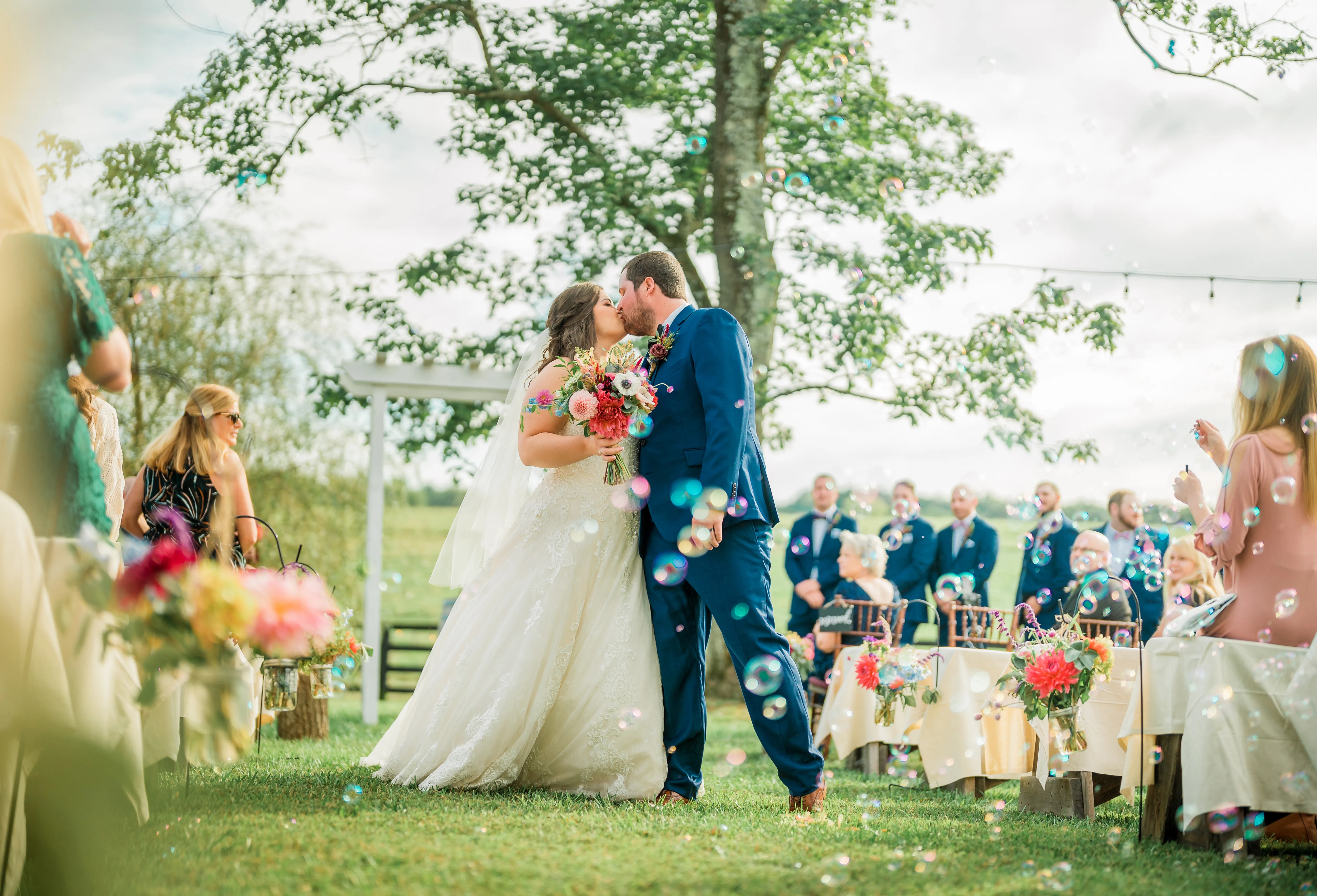
A venue is more than the place where the ceremony happens. Ask how guests move from parking to the ceremony, from cocktails to dinner and from the dance floor back to their cars. Ask where vendors unload, where they work, whether the space is accessible and how the weather plan changes the layout. These answers may affect rentals, staffing, transportation and the amount of coordination you need.
For an outdoor celebration, see the backup space rather than accepting a general promise. Ask when the weather decision happens, who makes it, where guests go and whether the indoor plan fits the same guest count. The outdoor wedding checklist gives you a useful set of questions for that conversation. A real backup plan protects both your budget and your peace of mind.
Vendor policies matter here, too. A venue with an open vendor policy may let you choose a caterer, florist or bartender who fits your priorities. A venue with a required list may simplify coordination, but it can change your cost. Neither model is universally better. It only needs to be clear enough for you to price the full day.
Turn every quote into one clear comparison
Create one worksheet for every venue. Use the same rows: venue fee, ceremony, food and drink, rentals, staffing, service charges, taxes, insurance, deposits, overtime, transportation and likely extras. Next to the total, write the access hours, guest range, weather plan and the three inclusions that matter most to you. You are not trying to predict every tiny purchase. You are looking for the gaps that could materially change the decision.
Read the comparison again the next day. The venue that felt most dramatic on a tour may still be right, but the calmer read makes it easier to notice whether the budget supports the experience. If two options are close, ask each venue one specific question that would make the choice easier. How many hours of Friday access are included? Is setup handled? What does the weather layout look like for 100 guests? Clear answers are part of the value you are buying.
Keep the worksheet flexible, not punishing. Some details will not be known until you choose a date, hire a caterer or receive the final guest responses. The point is to identify the large decisions before they become surprises. A thoughtful early estimate gives you room to adjust the guest list, timing or package while those choices are still yours to make.
How Oak Creek Farm helps couples price the whole weekend
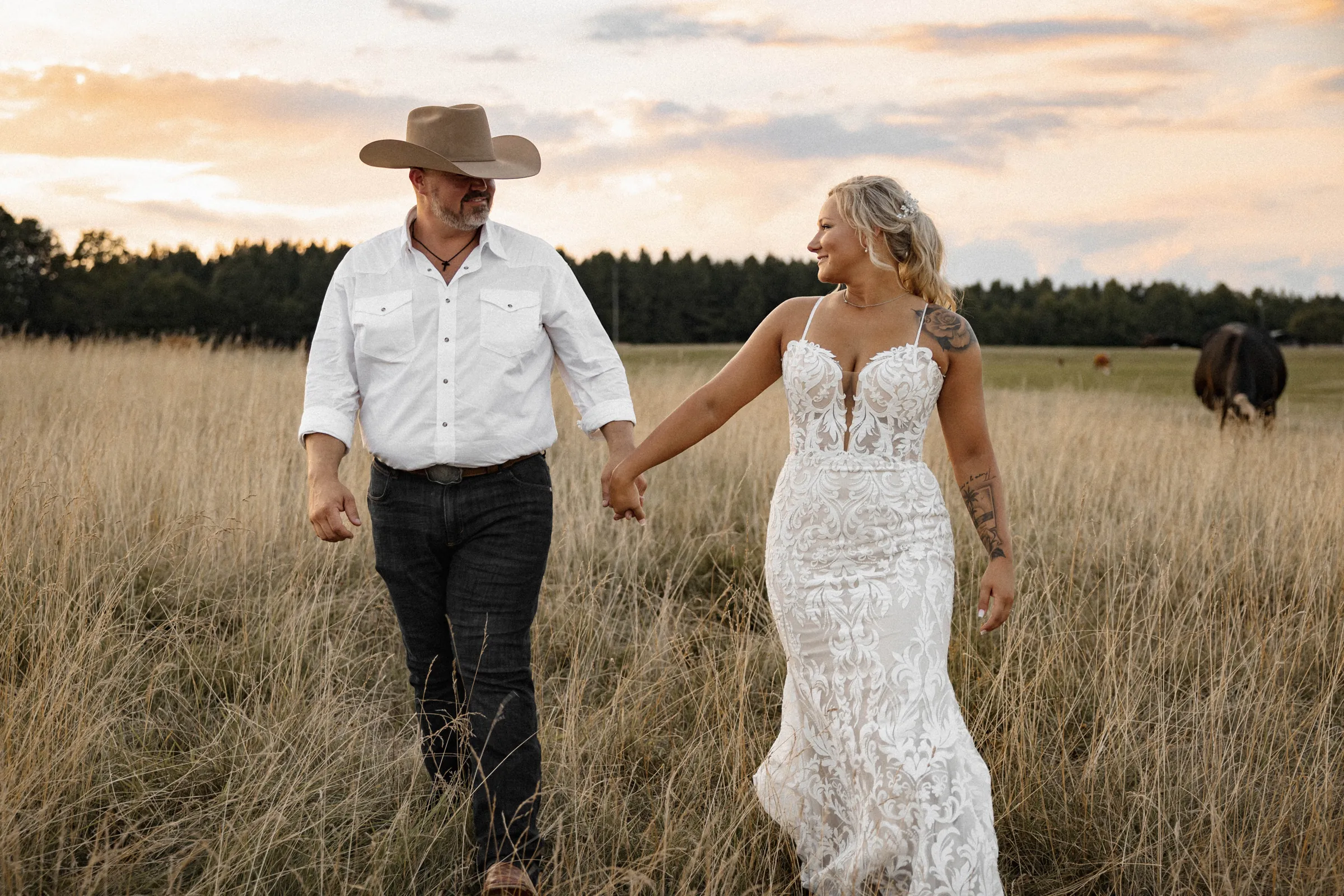
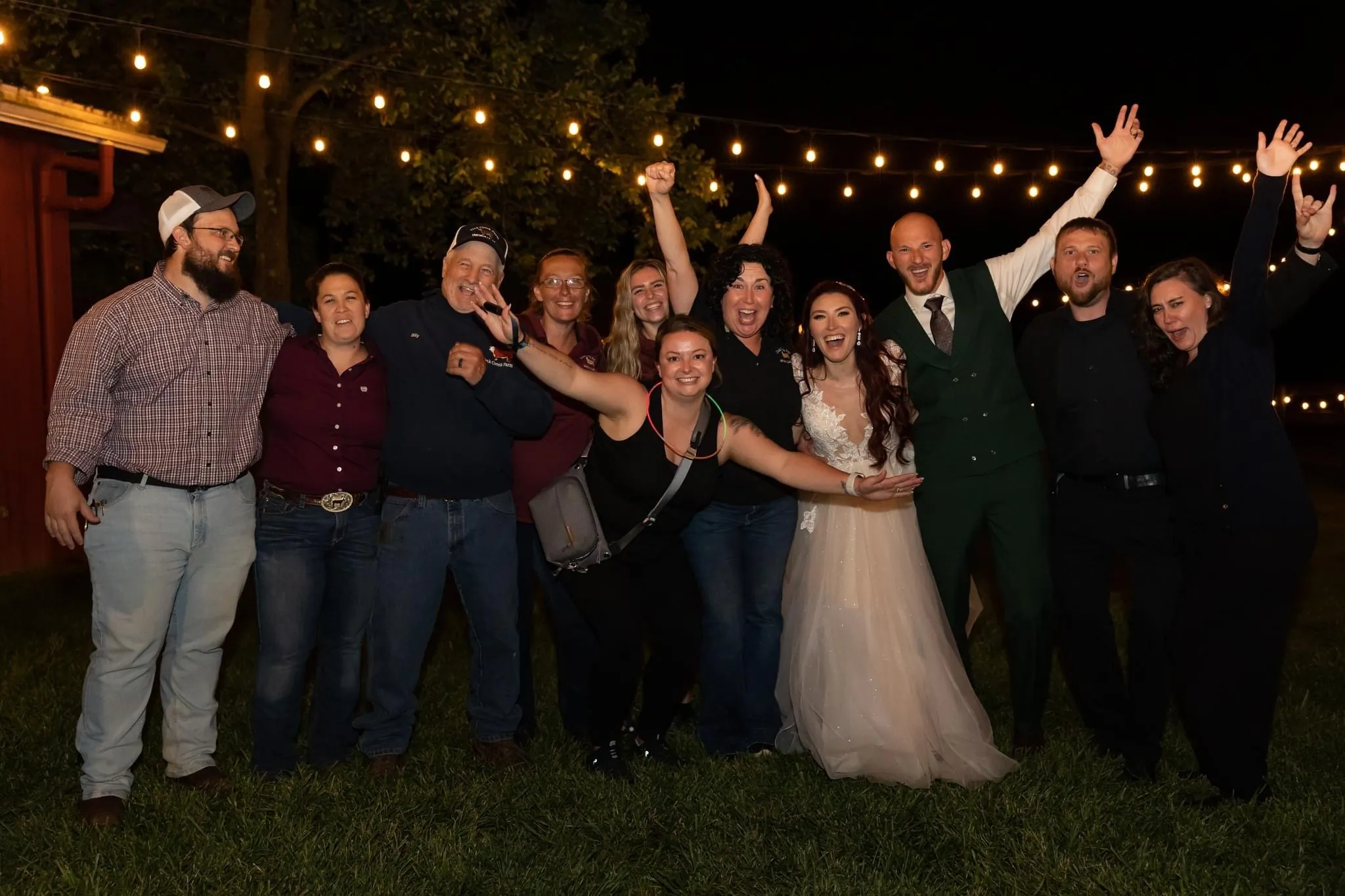
Oak Creek Farm is designed for couples who want the beauty of a Virginia farm wedding without beginning with an empty space. The rental includes Friday access for rehearsal and setup, useful furniture and décor, a ceremony field, the red barn, an indoor weather option and day-of support. The farm hosts one wedding each week, so you are not sharing the property with another celebration.
During a private tour, you can walk through the guest flow, see the spaces that matter to your plans and talk through what is included for your date. That makes it easier to build a real budget, not just compare a list of starting prices. When you are ready, the Oak Creek Farm team can help you see whether the setting, timing and included details fit your wedding weekend.
Plan with the full picture
See what a wedding weekend at Oak Creek Farm includes.
Walk the spaces, ask the practical questions and leave with a clearer picture of the day you are planning.
Book a private tourFrequently asked questions
What is usually included in a wedding venue fee?
It depends on the property. A fee may cover only the space, or it may include tables, chairs, setup, cleanup, staff, a coordinator, getting-ready rooms or rehearsal time. Ask for an itemized list and compare the full list, not only the first number.
Does a wedding venue price include catering?
Sometimes. Restaurants, hotels and some full-service properties may package food and drink into a required minimum, while a barn or private venue may let you choose and pay a caterer separately. Confirm which model applies before comparing two proposals.
How can I keep wedding venue costs manageable?
Start with a realistic guest count, consider dates with more availability, and compare what each venue already provides. A lower rental fee can cost more once furniture, delivery, setup time and required services are added.
When should we ask for a wedding venue quote?
Ask before or immediately after a tour, once you can share your preferred date, guest-count range and ceremony plans. Request the quote in writing and give every venue the same details so the comparison is fair.