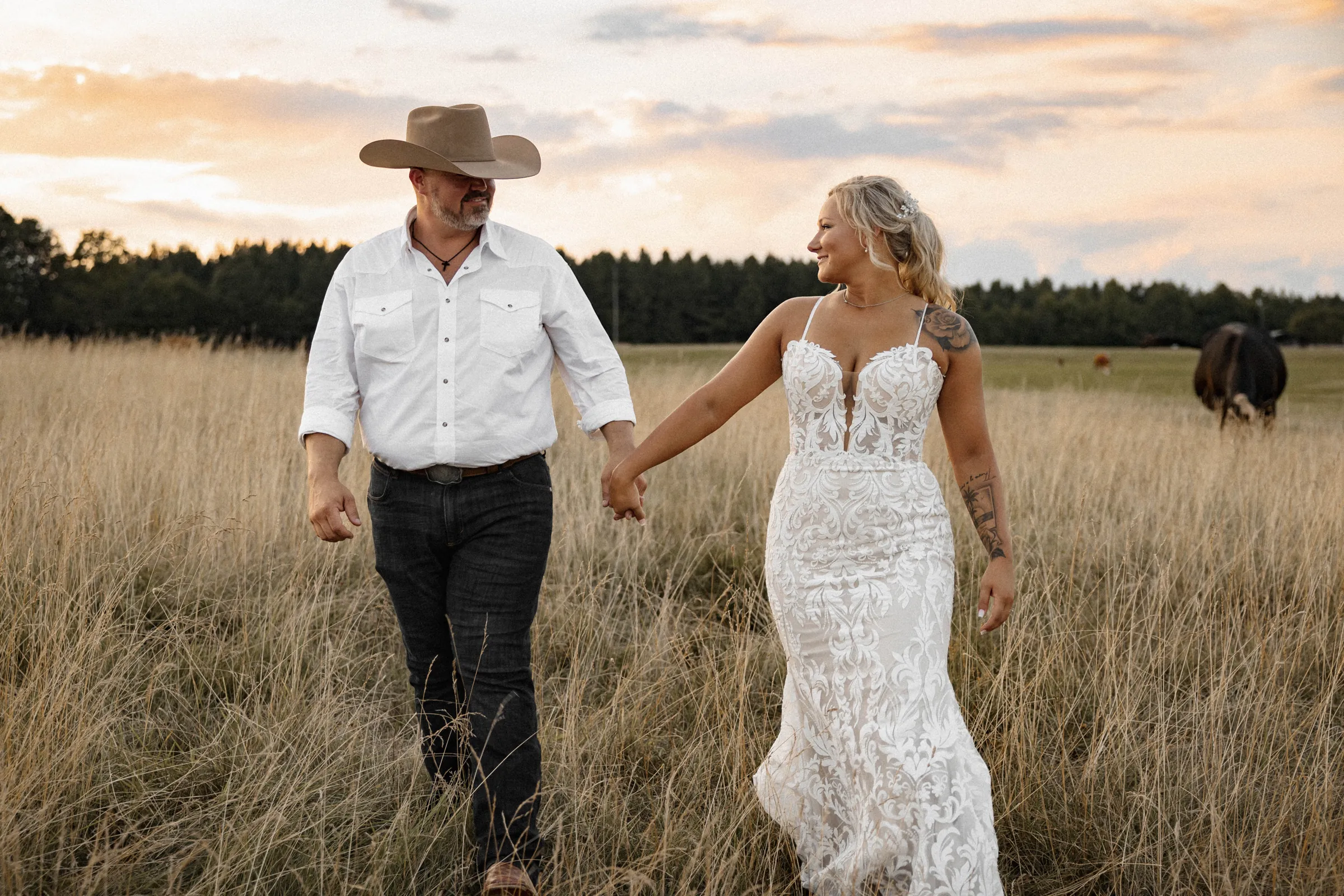
An outdoor wedding can feel wonderfully open and personal. The view does some of the decorating for you, the light changes through the day and guests get to spend time in a setting that feels different from an ordinary ballroom. The practical side still deserves just as much care as the beautiful side. A calm outdoor wedding is built from clear decisions about comfort, weather, movement and who handles the details.
Use this outdoor wedding checklist as you tour venues, meet vendors and build your timeline. You do not need to solve every possibility at once. You need to know what the plan is for the conditions most likely to affect your day, then make sure the people around you can follow it.
Outdoor wedding checklist at a glance
- Walk the ceremony, cocktail hour and reception layout with your guest count in mind.
- See the exact rain and lightning backup space before you book.
- Plan for sun, heat, wind, cool evenings and wet ground, not rain alone.
- Confirm parking, accessible routes, restrooms, power, lighting and vendor load-in.
- Decide who watches the forecast, makes the call and tells guests and vendors.
- Write down what the venue provides and what your vendor team needs to bring.
1. Choose a setting that works beyond the first look
Start by imagining the whole day, not only the ceremony photo. Where do guests park? Where do they wait before the ceremony? How far do they walk to cocktails, dinner and the restrooms? What does the route feel like for a grandparent in dress shoes, a guest carrying a baby or a vendor rolling equipment across the property? The best outdoor spaces make these answers easy to picture.
Ask for the comfortable guest count with ceremony seating, a reception layout, food service and a dance floor in place. A stated maximum is less helpful than seeing how your actual group will move through the space. Bring the wedding venue comparison checkliston your visit, then write down the details while they are fresh.
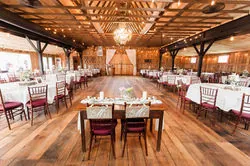
Look for the practical supports that reduce day-of improvising: usable parking, clear paths, an easy place for vendors to load in, enough restrooms, reliable lighting and an indoor or covered space that feels like part of the celebration. A farm, garden or waterfront setting does not need to look like an indoor venue. It does need a plan that lets guests enjoy the setting without wondering where to go next.
2. Make the weather plan a real plan
A weather plan is not just an umbrella basket. Ask to stand in the exact space you would use if rain changes the ceremony, then picture it with your chairs, wedding party, musician or DJ, photographer and guest count. Confirm who makes the call, when that person makes it and how the message reaches your vendors and guests. A clear decision point keeps a changing forecast from becoming a last-minute group debate.
Think beyond rain. Ask about shade during the ceremony, fans or water on a warm day, a place for wraps on a cool evening, wind around paper goods and candles, mud after an earlier shower and paths after dark. The right answer will change by season and site. The useful question is not “Will the weather be perfect?” It is “What will everyone do if it is not?”
Thunderstorms call for a separate safety plan. The National Weather Service says there is no safe place outside when lightning is in the area, and its outdoor event guidancerecommends naming safe shelter, a weather monitor and a clear stop-and- resume process ahead of time. Share that plan with the venue coordinator, planner and vendor leads so nobody has to guess in the moment.
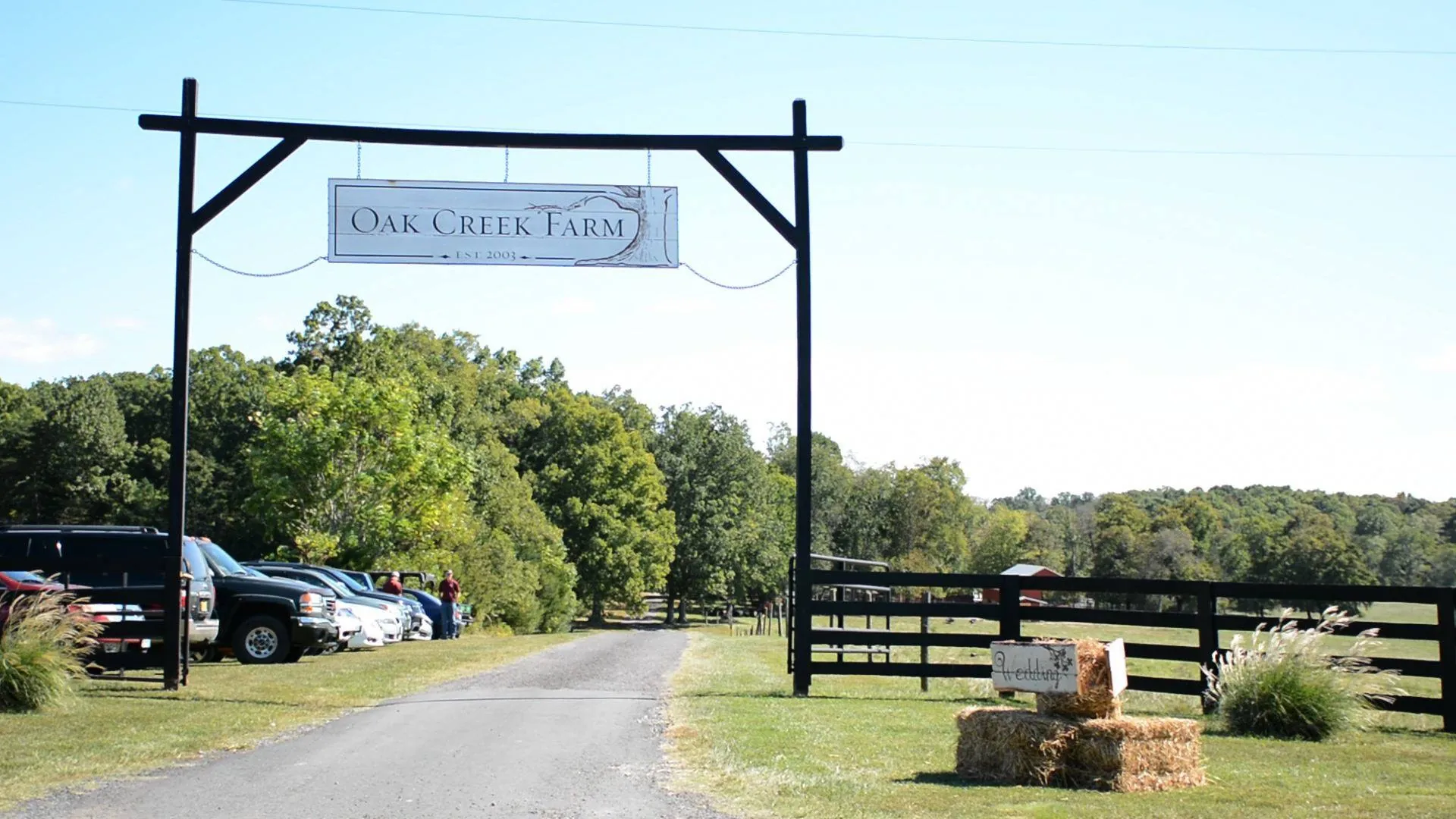
At Oak Creek Farm, couples can walk through the ceremony field and the barn during a private tour, then ask how the day changes if the forecast does. Seeing both spaces is more useful than trying to imagine a backup from a brochure.
3. Put guest comfort into the layout
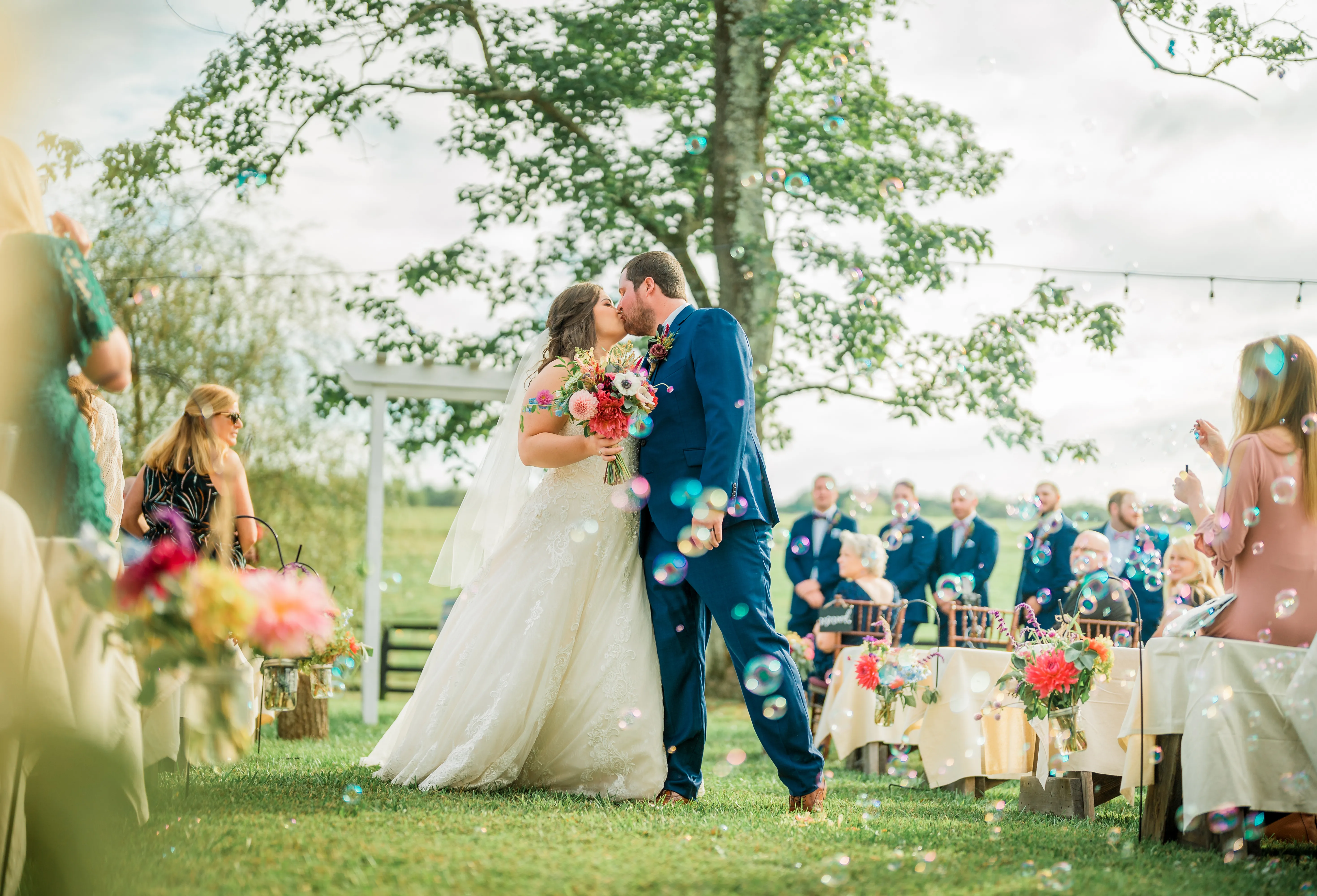
Guests remember how a wedding felt to attend. Start with the ceremony: can people sit comfortably, hear the vows and reach a restroom or drink of water without a long detour? Then follow the flow into cocktail hour, dinner and dancing. Shade, seating, a simple route and a little room to breathe can make the setting feel generous instead of exposed.
Ask the venue where guests can cool down or warm up, where older relatives can sit, how paths are lit, where umbrellas or coats can go and what happens if the ground is soft. If your guest list includes people with mobility needs, bring that up early. The Oak Creek Farm FAQ is a useful example of the practical details, from seating and parking to the timing of the day, that deserve a clear answer before you reserve a date.
Do not overlook the transition moments. Guests need somewhere comfortable while you take photos, dinner is set or the ceremony area is reset. A simple cocktail-hour location, visible signs and a person who can answer basic questions keep the day moving without making anyone feel managed. When the layout is thoughtful, guests simply feel looked after.
4. Confirm the infrastructure your vendors need
An outdoor reception still depends on a few unglamorous essentials. Before finalizing vendors, ask about power, water, lighting, kitchen or prep access, parking for delivery vehicles, trash, load-in timing and the place where each team will work. Your caterer, bartender, band or DJ, rental company and photographer should all understand the site before the wedding week.
Make a small list of what the venue provides and what must come from a vendor. Tables, chairs, bars, lighting, signage, umbrellas, heaters, fans and ceremony pieces can look included from a distance but be handled very differently from one property to the next. Oak Creek Farm couples can review the furniture and décor already at the farm before planning rentals, which makes the conversation more concrete.
If you plan to serve alcohol, make the responsibility clear. Ask the venue and bartender which rules apply, who provides service and what documentation is needed. Virginia couples can also review the Virginia ABC’s banquet-license guidancefor events where it applies. A written answer before the wedding is much easier than trying to solve a compliance question during setup.
5. Plan for the season, not only the ceremony hour
Visit the property at a similar time of year when you can. A ceremony site that feels breezy in April may be sunny and warm in July, while an October evening can turn cool quickly after sunset. Ask where the sun sits during your ceremony, where guests can find shade, how the barn or tent feels after dark and whether the ground changes after a stretch of rain. Those answers help you make thoughtful choices about timing, attire, drinks, lighting and guest comfort.
Keep the response simple and useful. Water stations, a shaded waiting area, wraps for a cool evening and a clear indoor place to step away can be more helpful than a large pile of extras. If bugs are a concern, ask the venue what is appropriate for the property and choose any guest-use product according to its label. The Environmental Protection Agency’sinsect repellent guidanceis a good reference for choosing registered products and using them as directed.
Your vendors can help with this part of the plan. A photographer can talk through light and portrait timing. A caterer can advise on food service in the expected conditions. A florist can explain which designs are happiest outside. Tell each of them where the ceremony and reception will happen, then let their experience sharpen the details without turning the day into a production.
6. Build a day-of plan that everyone can follow
Your final checklist should name people, not just tasks. Decide who watches the forecast, who speaks with the venue, who tells the vendor team about a layout change and who answers guest questions. A planner or coordinator may own several of these jobs, but ask exactly what their role includes. A good plan gives each person one clear responsibility.
Review the timeline with the venue and your key vendors a week or two before the celebration. Confirm where everyone arrives, when chairs and décor are set, when the weather decision happens, where guests go for cocktails and how the evening closes. Couples can use the before-booking questionsand venue contract checklistto make sure their written agreement supports the plan they have built.
Leave some space in the schedule. A little margin gives you room for a delayed arrival, a wet path, a last photo or a weather change without taking that time away from the celebration itself. Oak Creek Farm offers Friday access for rehearsal and setup, so couples can prepare the barn and ceremony details before the Saturday gathering begins. That kind of time is not only convenient. It lets the wedding day feel more present.
Bring the checklist to your venue tour
The right outdoor venue is not the one that promises a perfect forecast. It is the one that helps you understand how the day works when conditions change. Walk the spaces, ask the practical questions and request the answers in writing. You will leave with a clearer picture of the setting, the support and the work that remains on your list.
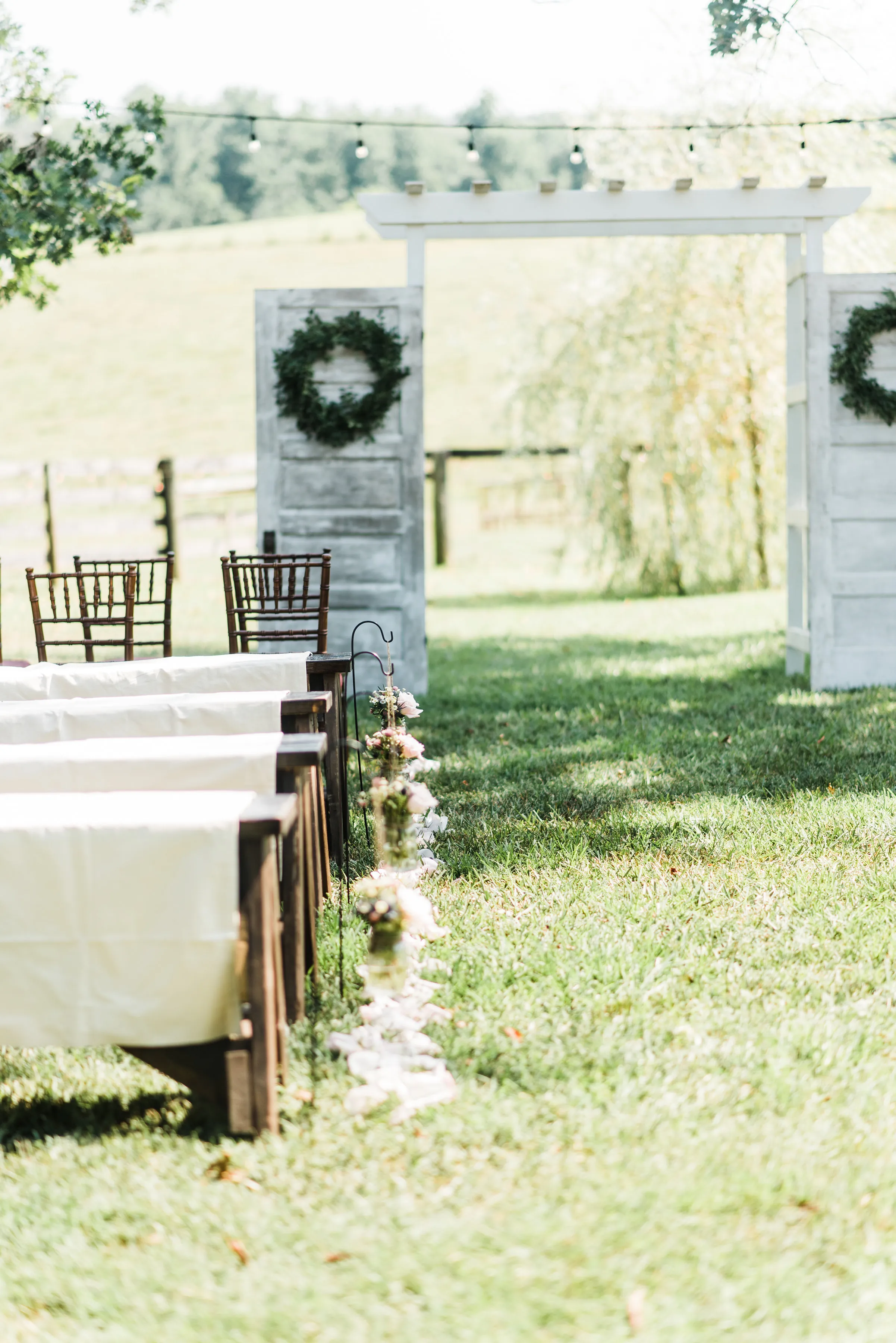
At Oak Creek Farm, the red barn gives an indoor home to the celebration while the field creates room for an outdoor ceremony. Couples have one wedding each week, Friday rehearsal and setup access, useful furnishings and décor on site, flexible vendors and day-of support. See how the spaces fit your plans, then decide with real details in front of you.
Planning at Oak Creek
Walk through the weather plan in person.
Tour the field, barn and guest flow, then talk through the timing, furniture, vendor access and backup details that make an outdoor day feel relaxed.
Book a private tourFrequently asked questions
What should be on an outdoor wedding checklist?
Start with the ceremony and reception layout, a weather backup, guest comfort, power and lighting, parking and paths, vendor access, food and bar logistics, and a clear day-of decision plan. The right list is specific to your venue, season and guest count.
What is the best backup plan for an outdoor wedding?
The best backup is one you can see and use without inventing a new event at the last minute. Confirm the exact indoor or covered location, how it fits your guest count, who makes the weather call, when that call happens and how vendors will adapt.
How can I keep guests comfortable at an outdoor wedding?
Walk the day as a guest would. Plan shade or warmth, comfortable seating, clear paths, easy parking, accessible restrooms, water, lighting after sunset and a timely transition between each part of the celebration. Ask the venue what it already provides and what you need to arrange.
When should we make the weather call for an outdoor wedding?
Set the decision time with the venue and key vendors before the wedding week, then name the person responsible for making and communicating the call. The right timing depends on the site, setup and forecast, but the plan should leave enough time to move guests and vendors safely.