
The venue is often the first big decision that turns an engagement into a workable wedding plan. It sets the date, shapes the guest list, gives vendors a place to work and tells you what kind of weekend you are actually planning. That is why the best answer to when to book a wedding venue is not simply “as early as possible.” It is early enough to have choices, after you have the few details that make a choice meaningful.
For many couples, that means beginning the search 12 to 18 months before a popular Saturday wedding. A shorter timeline can still lead to a beautiful celebration, especially when you have flexibility around the day, month or guest count. What matters most is knowing where you have room to bend and where you do not want to compromise.
A simple venue-booking timeline
- 12–18 months out: start touring if you want a specific season, Saturday or venue style.
- 6–11 months out: tour with a focused list, compare complete proposals and be open to nearby dates.
- Under 6 months: lead with flexibility, then make every practical answer clear before reserving.
- Before you sign: confirm cost, included items, timing, weather plan, vendor rules and change terms in writing.
Start with your non-negotiables, not a perfect date
Before you open a dozen venue tabs, have a short conversation about the few things that would genuinely change the decision. Your month or season might matter more than one exact Saturday. A guest count around 100 may matter more than a specific color palette. A venue with room for a rehearsal, relaxed setup and an indoor weather plan may matter more than finding the newest listing in your area.
Write down a comfortable guest-count range, a realistic total venue budget and two or three date options. Also decide whether Friday or Sunday could work. Those answers do not lock you into a wedding. They give you a useful filter, so a pretty tour does not turn into a plan that leaves you scrambling later.
When 12 to 18 months makes sense
Start at the earlier end of the range when your date is firm, you want a Saturday in a popular spring or fall season, your guest list needs a particular size of space or you have your heart set on a small group of venues. Early touring does not mean booking the first place you see. It means you can compare the places that truly fit before someone else takes the date you want.
This window also makes the rest of the planning calmer. Once the venue and date are confirmed, you can ask photographers, caterers, florists and musicians about a real day rather than a hypothetical one. The vendor planning order in The Knot’s booking guide similarly puts the venue among the early decisions because it anchors the rest of the team.
Use the time well. Ask whether the venue hosts more than one wedding at a time, when you can arrive, what happens if rain changes the ceremony and which furniture or support is already on site. A longer timeline is most valuable when it gives you better information, not more time to second- guess yourselves.
How to book confidently with 6 to 11 months
A six- to eleven-month timeline is not a reason to panic. It is a reason to get clear before you tour. Choose a manageable short list, bring the same questions to each visit and leave room for dates you might not have considered first. Fridays, Sundays and dates outside the busiest weekends can open up real options without making the celebration feel less personal.
At this stage, a clear comparison method protects you from rushed decisions. Bring a copy of the wedding venue comparison checklist, and record the full expected cost, access time, weather plan, included items and day-of support while each tour is still fresh. You are not looking for a flawless venue. You are looking for the one whose tradeoffs you understand and can live with.
Planning in under six months: let flexibility do the work
A shorter engagement can be wonderfully focused. Instead of trying to recreate a 16-month plan in a few weeks, make a few intentional choices that increase your options. A flexible date range, a Friday or Sunday, a smaller guest count or a simpler design plan can all make a meaningful wedding easier to bring together.
The important part is not skipping the questions because a date is open. Ask whether it is truly held for you, what the payment schedule is and when your vendors can access the space. Confirm the comfortable seated guest count with tables, food service and a dance floor, rather than only hearing the maximum allowed on the property. A beautiful open date is only a good fit if the whole day will work for your people.
For an outdoor celebration, see the weather alternative in person. Ask where guests enter, how the ceremony layout changes and who makes the call if the forecast turns. The barn wedding venue guide can help you think through comfort, parking, lighting and the practical details that photos cannot answer.
Tour early, but reserve only when the answers are clear
There is a useful middle ground between waiting too long and booking in the first rush of excitement. Tour early enough to see the places that fit your priorities, then give yourselves a little space to compare the written details. A kind venue team will understand that you need to read a proposal, talk through the budget and make sure the experience works for both of you. If a date is in demand, ask exactly how a hold works rather than assuming a conversation has reserved it.
After each tour, write down what you noticed before you look at another venue. Did the guest flow make sense? Could you picture a rainy day there without losing the feeling you wanted? Did the team answer direct questions about timing and cost? Those immediate notes are often more useful than trying to remember every detail after a full weekend of visits. They also make it easier to separate a true priority from a detail that simply looked good in one room.
Before a payment is due, use the venue contract checklist to look for the date, access hours, payment schedule, included items, responsibilities and terms for a change. If your celebration includes alcohol, ask the venue and bartender what they require, then check Virginia’s one-day banquet license guidance for your own plans. The goal is not to create a stack of worries. It is to make the important choices while you still have time to ask.
What to decide before you reserve a date
You do not need to have every centerpiece picked before booking. You do need enough clarity to recognize a good match. Bring your budget range, guest count, preferred date options and a list of any vendors or family needs that will affect the day. If a grandparent needs an easy path, a favorite caterer needs prep space or you want an outdoor ceremony, say it early. The right venue conversation gets more useful when it is specific.
Then ask for the practical answers in writing: the complete cost and payment schedule, the spaces and items included, access for setup and rehearsal, vendor and alcohol rules, insurance requirements, cleanup expectations, weather plan and policies for rescheduling or cancellation. Use the before-booking questions as a final check before you send a payment.
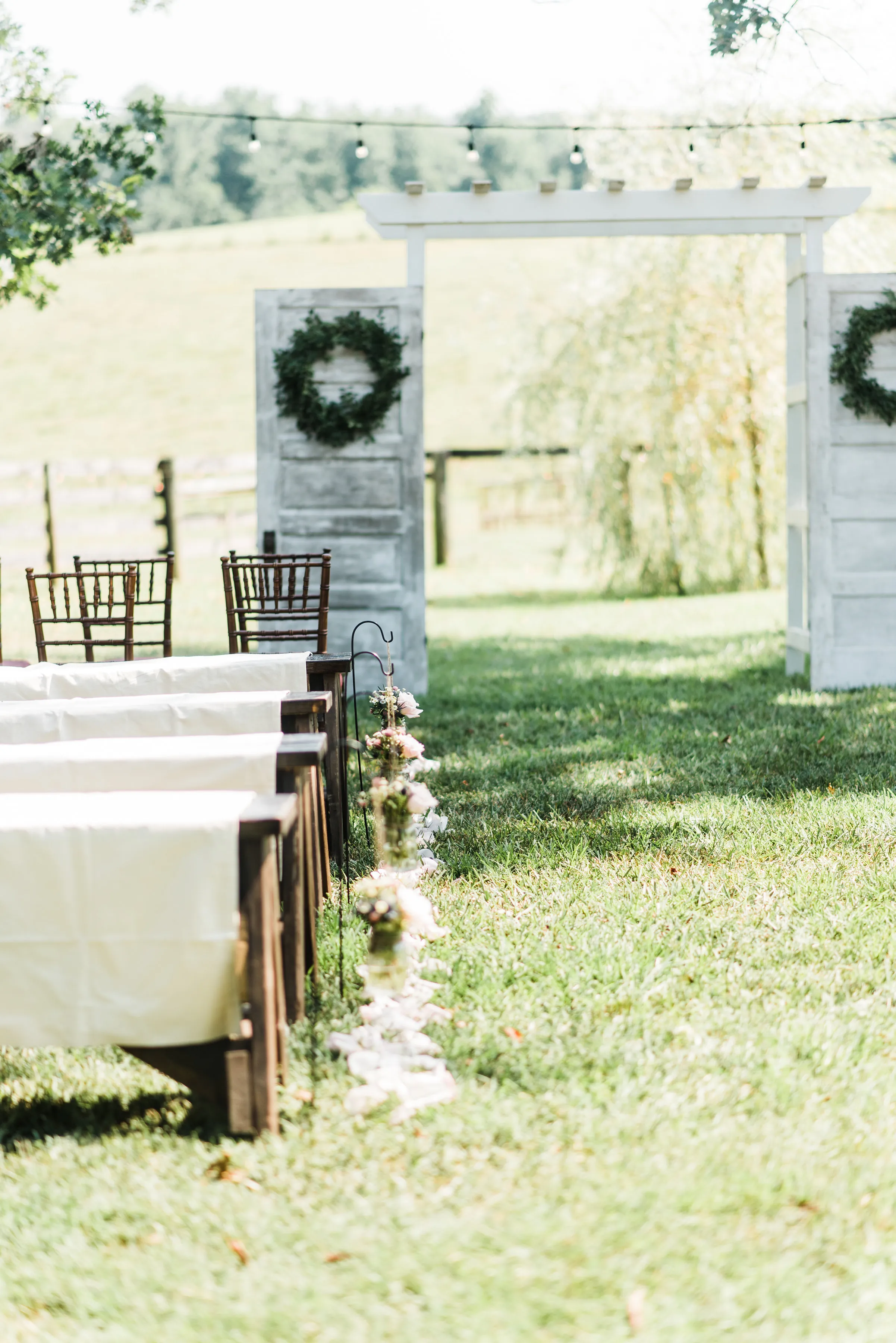
Why venue timing changes the rest of the plan
A confirmed venue does more than reserve a space. It tells you where guests will travel, what time vendors need to arrive, how large the reception can comfortably be and what you already have available. That makes later decisions easier to price and less likely to change. It is also why a venue with useful inclusions can be more valuable than a lower starting price that leaves you sourcing every piece separately.
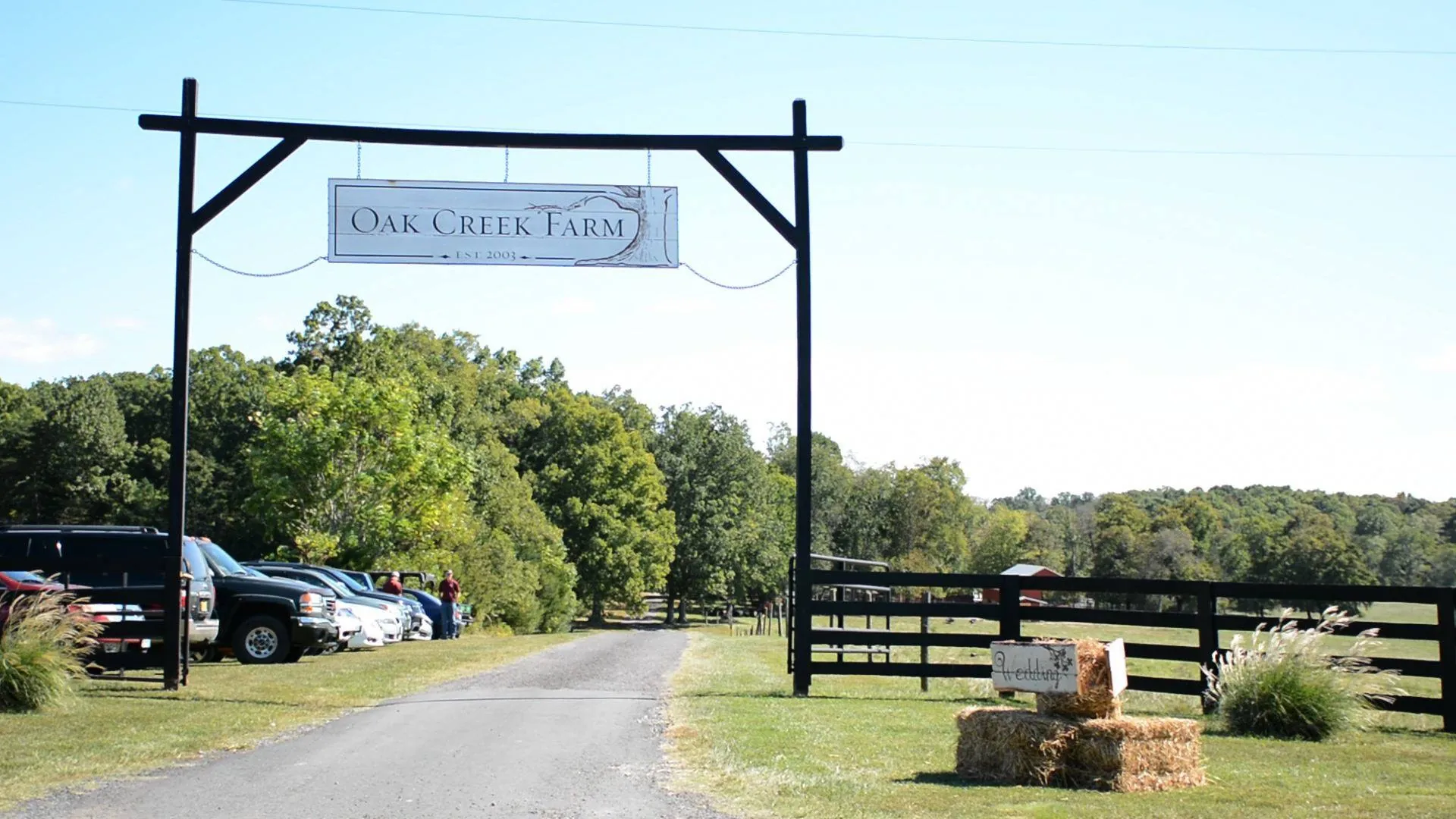
Ask for a detailed included-items list, then compare it with the items you would otherwise rent or borrow. Oak Creek Farm couples can review theavailable furniture and décor before a tour, which makes it easier to picture what needs to be brought in and what is already handled. The same question is worth asking at every venue you consider.
Timing is also about energy. A venue that offers a real setup window, helpful day-of support and a plan for rain can leave more room for the moments you actually care about. It is not about making a wedding effortless. It is about removing the avoidable rush.
Once you have a short list, it can help to picture the weekend in order: arriving, getting ready, welcoming family, the ceremony, cocktail hour, dinner, dancing and gathering your belongings at the end. Ask where each moment happens and when the rooms or outdoor spaces change over. A clear sequence shows whether a venue supports the pace you want, and it gives your future vendor team useful information from the start. It also makes the tour feel less like choosing a backdrop and more like choosing a place that will hold the whole celebration well.
Planning at Oak Creek
Tour the farm before you decide.
Oak Creek Farm offers a Friday window for rehearsal and setup, one wedding each week, useful furnishings and décor on site, and support for a relaxed wedding weekend. Come see the spaces, the weather plan and the details that matter to your day.
Book a private tourFrequently asked questions
How far in advance should you book a wedding venue?
For a popular Saturday in spring or fall, begin touring about 12 to 18 months ahead when possible. A shorter timeline can still work well when you can consider Fridays, Sundays, a different season or more than one date. The right window depends on how fixed your date, guest count and venue priorities are.
Should you book a wedding venue before other vendors?
Usually, yes. The venue determines the date, location, layout, access time and many vendor rules, so it gives the rest of your planning a foundation. If you have a planner or a must-have vendor with limited availability, speak with them early too, then make sure the timing works before you sign.
Is six months enough time to book a wedding venue?
It can be. Flexibility is the advantage on a shorter timeline. Consider a Friday, Sunday, weekday, different month or a smaller guest count, and be ready to compare clear written details after each tour. Do not rush past cost, timing or contract questions simply because the date is closer.
What should we know before booking a wedding venue?
Know your approximate guest count, realistic budget, preferred season or date range and the experience you want for guests. Before reserving, confirm the complete cost, included items, access time, weather plan, vendor rules, on-site support and terms for changes in writing.