A wedding guest list is one of the first decisions that makes a celebration feel real. It can also make a happy engagement suddenly feel like a math problem, a family meeting and a dozen delicate conversations all at once. The way through is not finding a perfect rule that makes every choice painless. It is making a clear plan together, then using it consistently.
Start this work before you fall in love with a room or compare final quotes. Your likely guest count affects the venue, catering style, bar, tables, invitation budget and flow of the day. A rough number gives every later choice a useful shape. You can refine it as plans become real, but you do not need to wait for a final answer to begin.
Wedding guest list checklist
- Agree on the kind of celebration you want before naming individuals.
- Set a comfortable guest-count range and a full wedding budget.
- Build one shared master list, organized by household.
- Choose plus-one, children and parent-guest guidelines early.
- Use a short priority system to make decisions consistently.
- Take the working count to every venue tour and quote conversation.
1. Start with the feeling you want to create
Before opening a spreadsheet, talk about the experience you want your guests to have. Do you picture a full dance floor and a wide circle of friends, a relaxed weekend with your closest people, or something in between? Neither a large wedding nor a smaller gathering is more meaningful by default. The right size is the one that lets you be present with the people you truly want beside you.
Put a few answers in writing: the season or date range you are considering, the total amount you are comfortable spending, the guest experience you care about most and the kind of venue that fits it. That conversation makes later choices less personal because you are following a shared plan, not judging whether any one relationship is important enough.
If one of you imagines 60 guests and the other imagines 160, do not rush to compromise at 110. First name what each number represents. One person may be protecting time with family. The other may be hoping for room to invite a longtime friend group. Once you understand the reason, you can build a celebration that honors both priorities.
2. Set a guest-count range before choosing the venue
Give yourselves a range instead of a falsely precise number. For example, you might say that a celebration below 90 would feel intimate, 100 to 120 would feel ideal, and anything above 130 would require a different budget or venue plan. That range is much more useful on a tour than saying you have not decided yet.
Ask each venue for its comfortable seated count with the tables, dance floor, bar or buffet and guest circulation you want. A legal maximum is not the same as a room that still feels welcoming during dinner. Oak Creek Farm's barn seats up to 120 guests comfortably at tables, so couples can use that number as a practical starting point while they picture their full reception, not merely the ceremony chairs.
Your count also changes the complete cost. Meals, beverages, rentals, stationery and sometimes service charges grow with every additional seat. Use the site's wedding venue cost guide alongside your list, then ask every venue and caterer which costs are tied to headcount. This is how you avoid comparing a beautiful room at one number with a budget built for another.
3. Build one shared master list by household
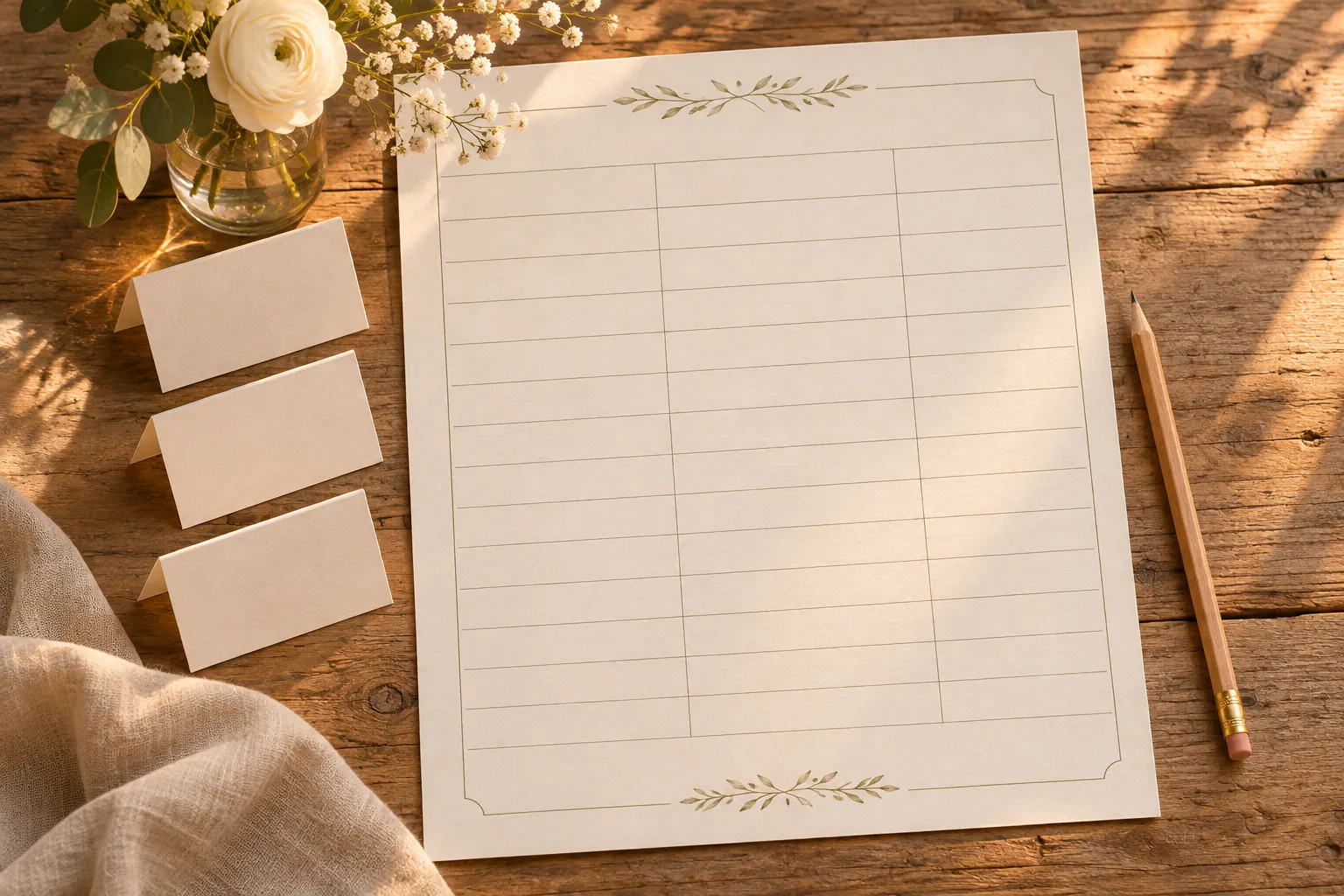
Make one list that both of you can see and edit. Organize it by household rather than individual names. A household might be one person, a couple, a family with children or a group that will receive one invitation together. This keeps the headcount honest and prevents a partner or child from disappearing in the details.
For every household, track the names, who knows them, how many seats they represent, their location, their relationship to you and any invitation decision you have already made. You can add mailing addresses, meal choices and RSVP status later. At this stage, the goal is a clear picture of who you would be excited to celebrate with, not a finished invitation database.
Keep the list private and avoid announcing a tentative invitation before it is final. Plans shift as venues, budgets and family conversations take shape. A working list is a planning tool, not a promise. That small boundary protects both you and the people you care about from an awkward correction later.
4. Make the hard rules before you meet the hard names
The stickiest guest-list decisions usually involve plus-ones, children, parents' guests, coworkers and relatives you have not seen in years. Decide your general approach before you debate individual people. A simple guideline gives you a kind, consistent answer when questions come up.
For plus-ones, decide whether you will invite named partners, offer a guest to people traveling alone or in the wedding party, or use another clear standard that fits your celebration. Wedding invitation guidance from The Knot notes that an adults-only event can make the invitation clear by naming each invited guest rather than writing “and guest.” Whatever policy you choose, apply it evenly and do not make someone decode the answer from a vague envelope.
Children deserve the same clarity. You might welcome all children, invite only immediate family children or host an adults-only celebration. Think about the atmosphere, meal cost, supervision and the practical setup at your venue. Tell close family early, especially if they will be helping with the guest list, so no one makes assumptions on your behalf.
Parents and in-laws can be valuable allies when the conversation starts early. Share your guest-count range and ask them to make their own priority list within an agreed number of seats. If anyone is contributing financially, it is reasonable to discuss how that affects the list, but the important part is deciding the process together before names become emotionally loaded.
5. Use a priority system that both of you trust
A simple three-level list keeps the conversation grounded. Start with the people you would not want to celebrate without: immediate family, closest friends and the relationships that are actively part of your life. Next, list people you would genuinely love to have there if your date, budget and venue allow. Finally, list people who would be lovely to include, but whose absence would not change the meaning of the day.
This is not a ranking of who matters as a human being. It is a way to match a limited number of seats to the celebration you are able to host. Be honest about reciprocity, but do not let an old invitation decide your present-day wedding. A person who invited you years ago is not automatically a fit if your relationship has changed or the wedding you want is smaller.
Review your first draft together, then check it against the range you set. If it is too large, return to the guidelines instead of cutting random names. Ask whether each group follows the same logic. Consistency will not erase disappointment, but it makes the decision easier to explain and easier for the two of you to stand behind.
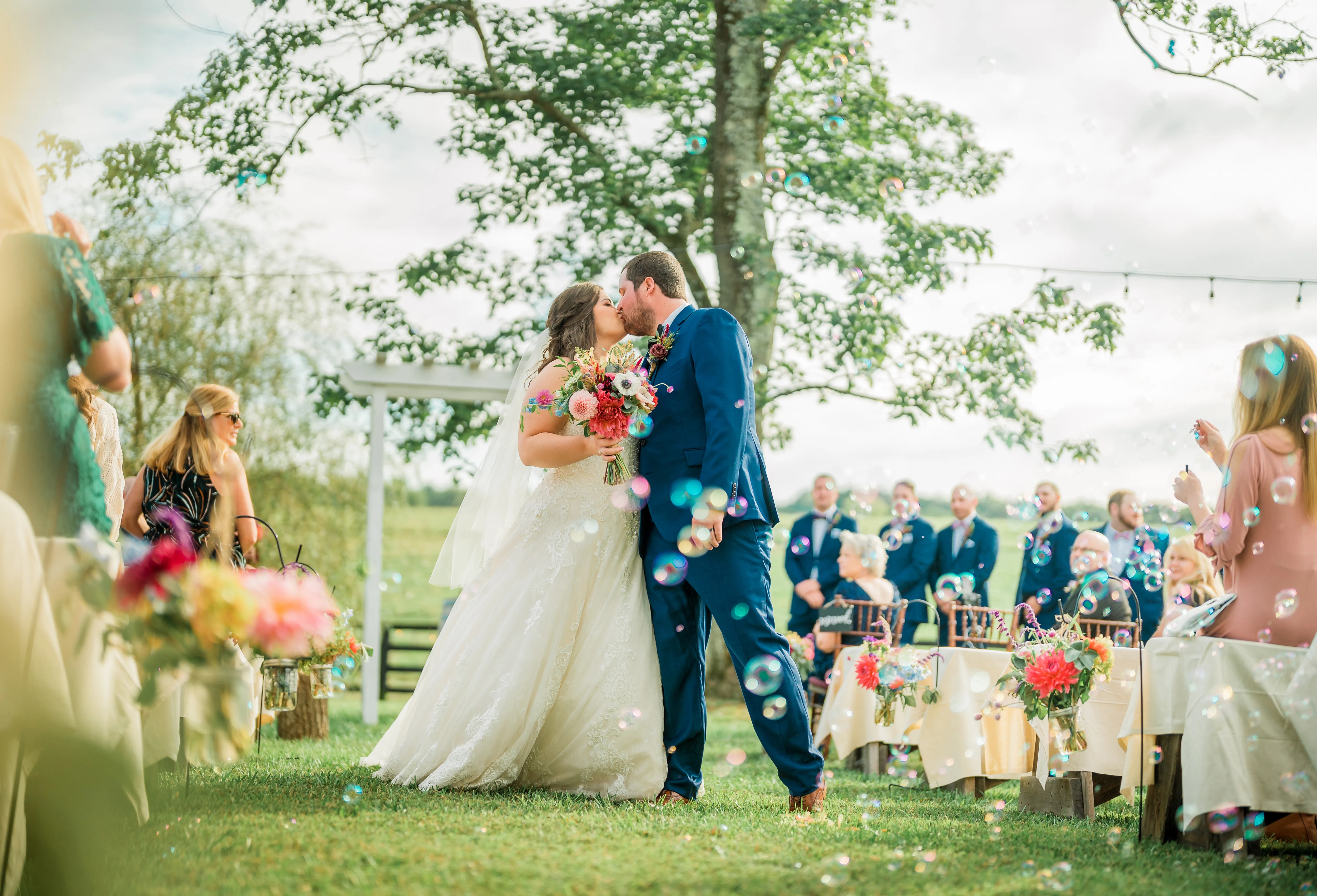
6. Let the venue help you turn a number into a real plan
A venue tour becomes much more useful when you bring your working count. Ask to see a layout at that number, then walk the path a guest would take from parking to the ceremony, cocktails, dinner and dancing. Notice where older relatives can sit comfortably, where a bar or buffet line will form and how an indoor backup works if the weather changes.
Use the count to ask better questions, not to lock yourselves into a final total too soon. The venue tour checklist can help you compare access time, guest comfort and support across every property. If your first draft is intentionally small, the small wedding checklist offers a useful way to think about a closer gathering without assuming it needs less planning.
For an outdoor celebration, your count affects shade, seating, parking, restrooms, timing and the plan for rain or heat. Use the outdoor wedding checklist to ask the same practical questions on every tour. The goal is not to make the guest list fit a pretty setting at any cost. It is to choose a setting that welcomes the people you chose.
At Oak Creek Farm, Friday access for rehearsal and décor setup gives couples time to walk through the details before the wedding day. The barn, field and deck let you talk through your actual group and flow in person. Couples may also use insured vendors of their choice, which makes a private tour a good time to ask how caterers, florists and musicians would move through the property.
Ask what is already in the room before making a rental plan. Oak Creek's included décor and inventory can help couples see the kind of furniture and finishing details that may already be available. If a wedding-weekend stay would help the people closest to you arrive with more time to settle in, the separate Farmhouse is another practical detail to discuss while you are choosing the scale of the weekend.
7. Keep the list flexible, but keep your boundaries clear
A guest list evolves. A relationship changes, someone moves away, a loved one cannot travel or a venue date shifts. Leave room for those changes without reopening every past decision. Update the shared list, revisit your count at agreed points and decide together how you will handle any seats that become available.
It helps to keep invitations timed in a way that gives you breathing room. Do not build your day around an assumed percentage of declines. Attendance varies too much by travel distance, season and guest mix. Instead, talk with your venue and caterer about their planning deadlines, then send invitations with enough time to make informed decisions once real responses arrive.
When someone asks whether they are invited before you are ready, a warm, direct answer works best: “We're still finalizing our list and will share details when we can.” You do not need to defend every decision. Protecting the celebration you can host is part of taking care of yourselves as you plan it.
Before invitations go out, read the list once more as a team. Check that your household counts, plus-one decisions and family groups match the rules you set. A quiet final review is far easier than correcting an invitation after it arrives.
Planning at Oak Creek
See how your guest list could feel at the farm.
Bring your working count on a private tour. We'll help you picture the barn, field and wedding-weekend flow with the people you want beside you.
Book a private tourFrequently asked questions
When should we make our wedding guest list?
Start before you commit to a venue or final budget. You do not need every address or meal choice yet. A thoughtful first count helps you compare spaces, catering estimates and invitation costs using the same realistic foundation.
How do we decide who to invite to our wedding?
Begin with the people who are essential to both of you, then use the same clear rules for every other group. Consider your current relationship, whether the person is part of your everyday life, your budget and the experience you want for the day. Consistency is kinder than making exceptions one conversation at a time.
Do all wedding guests get a plus-one?
No. Couples can choose a consistent policy that fits their guest count and budget. Named partners should be handled thoughtfully, while invitations for single guests can depend on travel, whether they know others attending and the kind of celebration you are hosting. Make your decision before invitations are addressed, then apply it evenly.
How many guests should we invite for a 120-person wedding?
There is no universal number because attendance changes with travel, date, season and your guest mix. First confirm the venue's comfortable seated capacity with your intended layout, then make your initial list around the number you genuinely want to host. Ask the venue and caterer how they prefer you to plan for attendance before relying on an assumed decline rate.