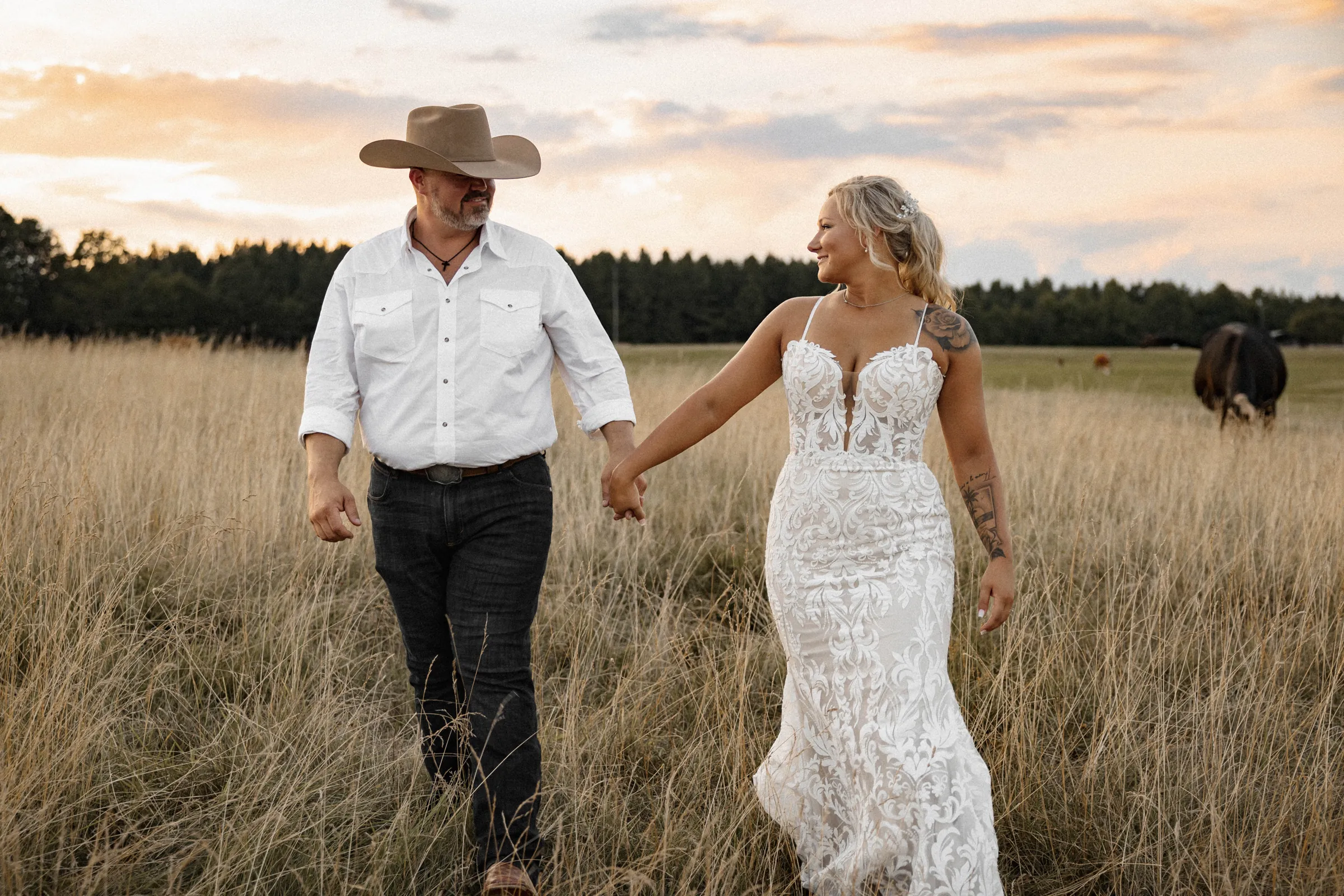

Choosing a wedding venue can feel like one big emotional decision. You walk into a beautiful room, picture the ceremony, and suddenly every practical question feels less urgent. A better approach is to let the feeling matter, then give it a useful frame. The right venue is the place that can hold your people, your budget and the actual rhythm of your day without creating a pile of work you did not expect.
Start with a short list of needs, not a perfect vision. The Knot’s venue booking checklist makes the same useful point: availability, location, comfortable capacity, rules, hours, personnel and complete costs are the details that turn a lovely tour into a clear decision. Use the eight decisions below to narrow your options before you get attached to one room.
1. Choose a realistic guest-count range
Your venue does not need a final head count, but it does need an honest range. Make three columns: people you would be sad to miss, people you expect to invite, and the number you would be comfortable hosting if every yes came through. Then ask each venue about seated dinner capacity with your likely table layout, dance floor, bar, food service and space to move. A maximum number on a brochure can mean something very different from a comfortable celebration.
Think through the whole guest experience. Where do people park? Is there a clear walk from the ceremony to cocktails? Can grandparents, children and guests with mobility needs move easily through the day? A room that looks generous when empty can feel tight after tables, a band, a buffet and 100 coats arrive. During a venue tour, stand where guests will sit and ask to see a layout close to your group size.
Give yourselves permission to keep the range honest. A smaller list can make room for a slower dinner or a more intimate dance floor. A larger list may make the energy you want possible, but it changes the furniture, food service and room you need. Neither answer is better on its own. It simply tells you which venues deserve your time.
2. Set a complete venue budget, not only a rental number
Put a ceiling on the amount you can comfortably spend on the venue experience, then ask what that amount includes. The important comparison is not the first number in a price guide. It is what it takes to make the day work: furniture, ceremony seating, setup, cleanup, service charges, taxes, required staffing, food and bar rules, insurance, rentals, overtime, transportation or a weather backup.
Ask every venue for a written estimate based on your likely date and guest count. Put the same lines beside each other, including anything you must source separately. This is why an included table, chair, décor or coordination detail can matter more than it first appears. The site’s wedding venue package guide can help you separate a genuine inclusion from something that still needs a vendor, a rental or another conversation.
Keep your comparison simple. For each option, write the rental or package price, required additions, likely outside rentals, payment schedule and the one detail that could change the total. A clear worksheet makes it easier to discuss the decision together, especially when one venue has a lower starting price and another has more of the day already handled.
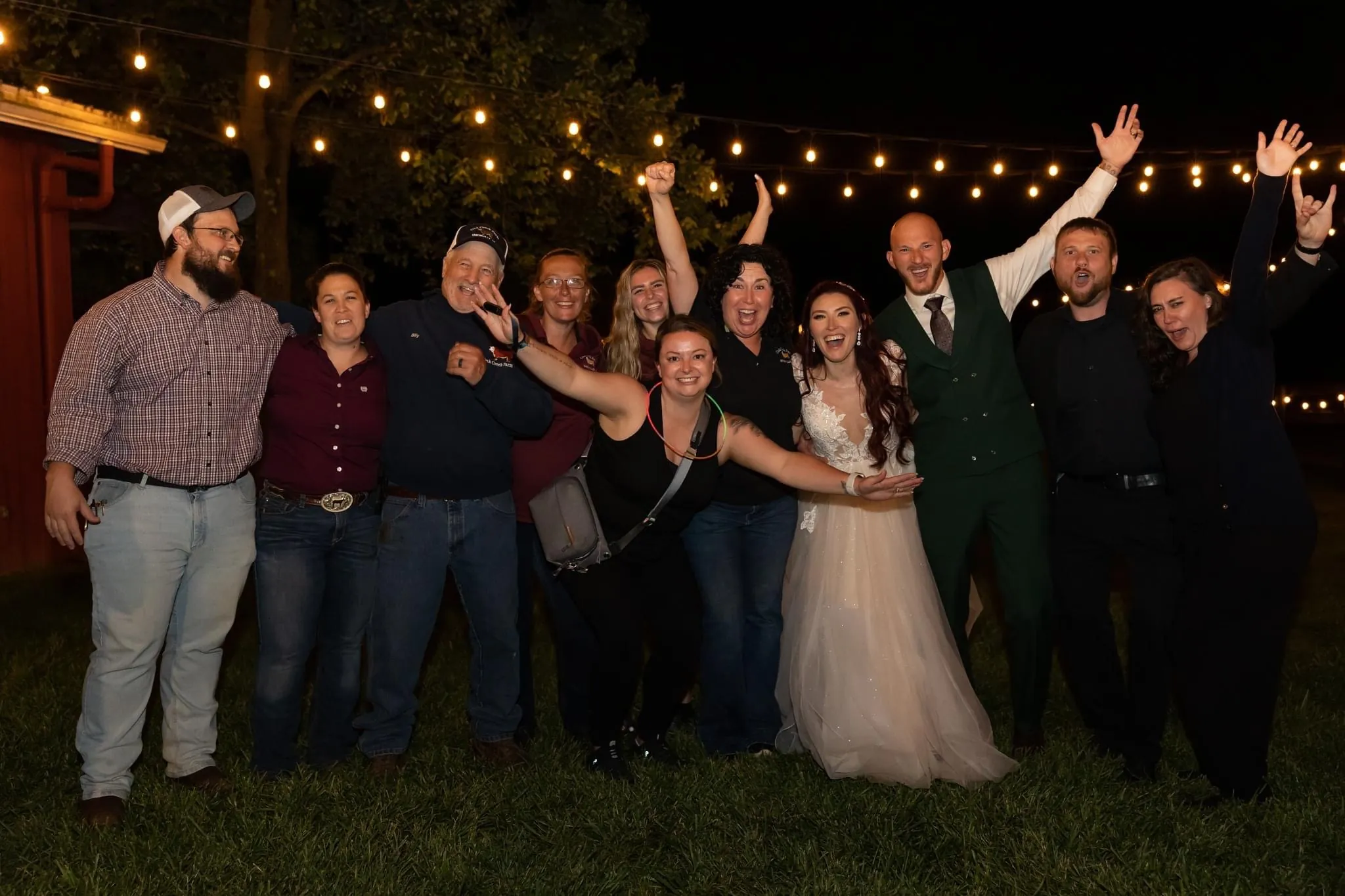
3. Decide where you can be flexible
Most couples cannot have every first choice at the same time: a specific Saturday, a favorite month, a fixed guest count, a particular location and an exact budget. Decide which one or two are truly fixed before you tour. If your date is the priority, keep a few nearby dates open. If your budget is the priority, consider a Friday, Sunday or a different season. If your guests need a particular location, let that lead the search.
Flexibility is not settling. It is a way to put your attention on the experience that matters most. Use the booking timeline guide to decide when to start asking about dates, then request available options before a tour so you are not falling in love with a space that cannot work for your calendar.
4. Picture the day in sequence, not as one photograph
A beautiful ceremony spot is a wonderful start. It is not the full venue test. Walk through arrival, getting ready, the ceremony, cocktail hour, dinner, dancing, send-off and cleanup. Notice the transitions. Where do guests gather if it rains? Is there shade on a warm afternoon? Is there enough light for a safe walk to the parking area after dark? Where do vendors unload, and when can they arrive?
An outdoor celebration deserves a real alternate plan, not a vague promise that everyone will figure it out. Ask to see the exact backup space set for a group like yours, including the route guests will take and who makes the weather call. The outdoor wedding checklist gives you a practical way to look at comfort, lighting, wet ground, vendor infrastructure and day-of communication.
Do this walk at the time of day your event will happen when you can. Notice sun, shade, traffic, sound and the temperature in the spaces guests will use. If that is not possible, ask the venue team to describe what changes between a sunny afternoon and a dark evening. Specific answers are much more helpful than a general assurance that it all works out.
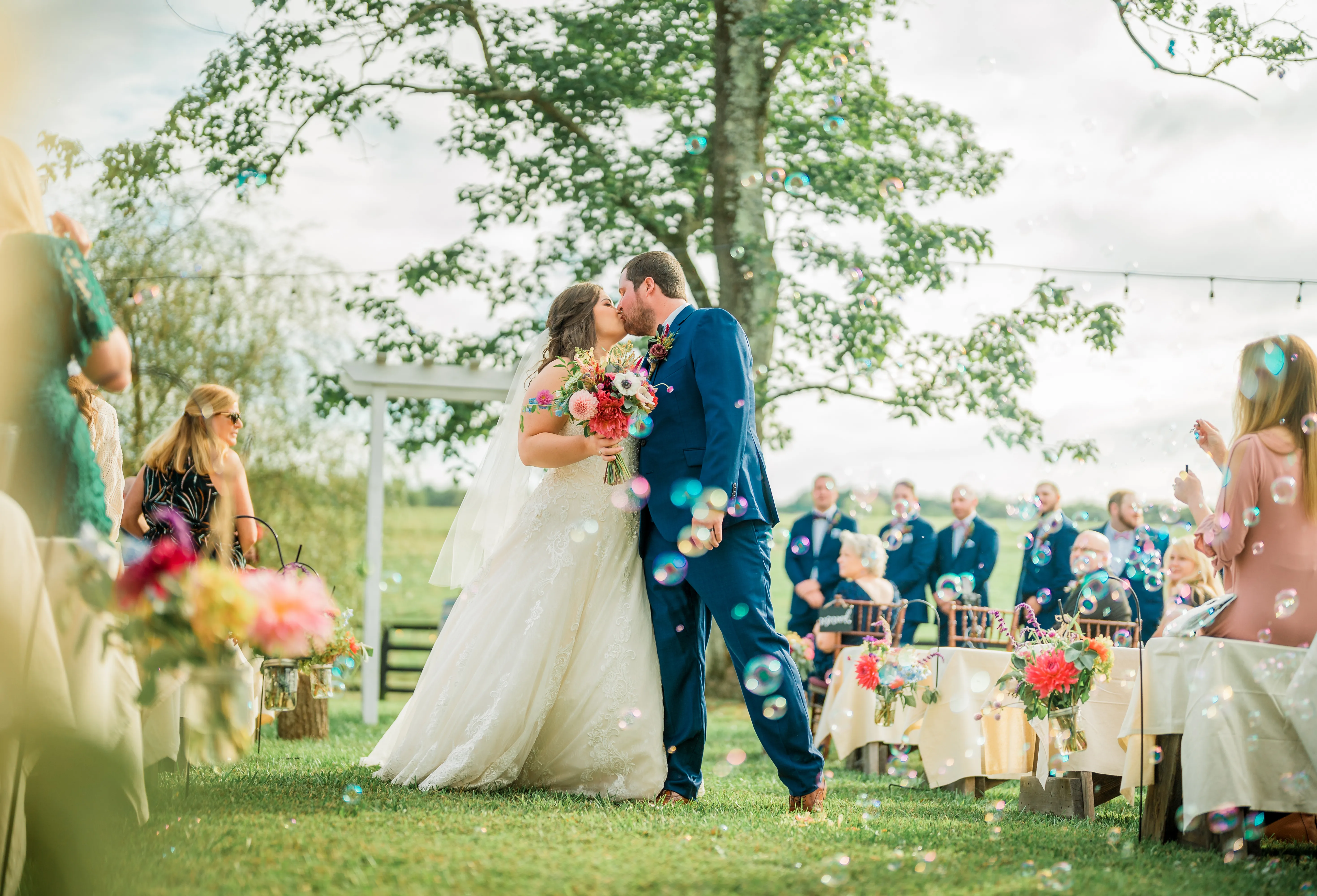
5. Compare access time, not only event hours
The hours guests see are only part of the calendar. Ask when you can decorate, rehearse, deliver flowers, load in music, prepare food, take portraits, collect personal items and finish cleanup. A few extra hours can remove a surprising amount of pressure from the wedding day. It can also change what vendors charge for delivery, setup or waiting time.
Ask whether your celebration is the only event that day and whether someone will be available when you arrive. A calm answer has names, times and a clear handoff. A vague answer is worth following up on before you sign. The comparison checklist is useful here because it lets you record access time next to the cost instead of trying to remember it after several tours.
6. Understand the rules that shape your celebration
Every venue has rules, and rules are not automatically a problem. The important thing is to know what they mean for your plans. Ask about required or preferred vendors, catering, alcohol, music curfews, candles, confetti, pets, parking, accessibility, décor installation, cleanup and insurance. A preferred vendor list can save time if you like the choices. Flexible vendor policies can be valuable if you have a particular team or food tradition in mind.
If you plan to serve alcohol, ask both the venue and bartender what is required for your event. Virginia’s one-day banquet license guidance is a helpful starting point for understanding the state side of that conversation. Put every answer that affects the cost or flow of your day in writing.
7. Find out who will be there to help
“Coordinator” can mean very different things. Ask who meets you at arrival, who answers vendor questions, who manages the timeline, who handles a weather switch, who helps with setup and when they leave. A venue coordinator, planner and day-of coordinator can each play a different role. The right choice depends on how much you want to manage yourselves, but no couple should have to guess who is responsible when a delivery runs late or a plan changes.
This is also a good time to ask about communication before the wedding. Are there planning meetings? Is there a final walk-through? Can you share a timeline and floor plan? Clear support does not need to be elaborate. It needs to be specific enough that you and your vendors know how the day will move.
Before you leave a tour, write down one question you still need answered and ask when you will receive it. That small habit prevents a favorite space from becoming a fuzzy memory. It also gives you a fair way to compare responsiveness, which matters when you are coordinating several vendors and making decisions close to the wedding.
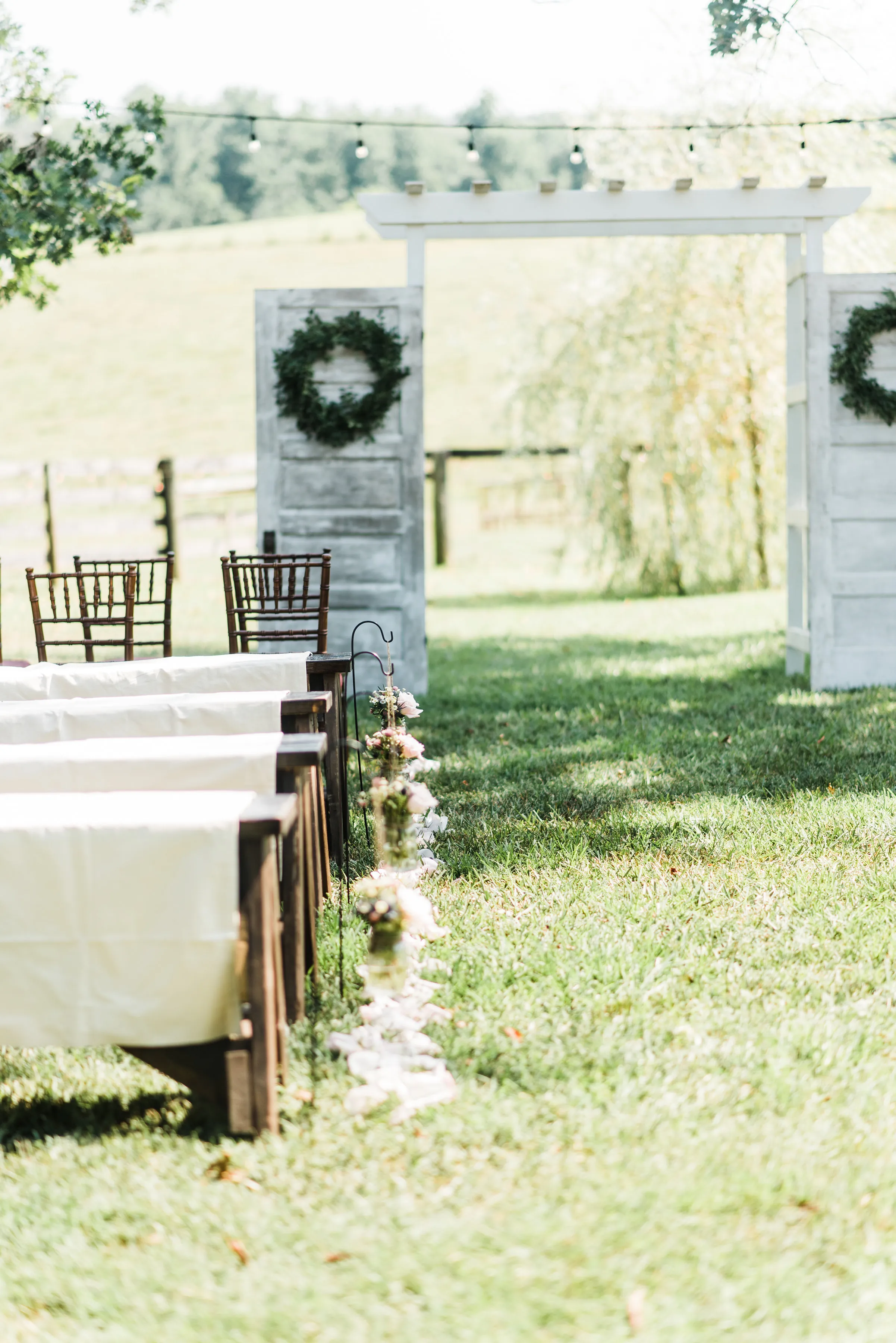
8. Choose the place that makes the day easier to host
Once the essentials are clear, pay attention to the kind of work each venue asks of you. The right choice is not necessarily the one with the longest list of inclusions or the most dramatic view. It is the one whose tradeoffs you understand and can happily live with. Read the full quote, ask for a sample layout, picture your guests moving through the space and take notes while the details are still fresh.
If two options are close, pause before deciding. Re-read your notes the next morning, compare the complete costs and ask which setting makes you feel more cared for as hosts. The answer is often clearer when the first rush of a beautiful tour has had a little time to settle.
At Oak Creek Farm, couples can see an outdoor ceremony field, the red barn and the weather option together during a private tour. The farm hosts one wedding each week and includes Friday time for rehearsal and setup, useful furniture and décor, flexible vendors and day-of support. For a couple who wants a farm wedding that feels personal without starting from an empty room, those practical details create more space to enjoy the people they invited.
Planning at Oak Creek
See how the day works, not only how it photographs.
Walk the ceremony field, barn, guest flow and weather option, then talk through the timing and included details that matter to your celebration.
Book a private tourFrequently asked questions
What should I decide before touring wedding venues?
Start with an approximate guest count, a comfortable total venue budget, a preferred season or date range, and the experience you want your guests to have. You do not need every detail decided, but those four answers keep you from touring spaces that cannot realistically support your day.
How many wedding venues should we tour?
Three to five well-matched tours are usually enough to make a thoughtful comparison. A long list can make every option blur together. Narrow the list first by capacity, date, location, general budget and the kind of setting you genuinely want.
What matters most when choosing a wedding venue?
The right venue fits your real guest count, complete budget, date options and practical needs. After those essentials, focus on how the space handles the full day: access time, weather changes, vendor rules, guest comfort, included items and the people who will help you on site.
Should we choose a venue before booking other wedding vendors?
Usually, yes. The venue establishes the date, location, layout, access hours and many vendor requirements. If a planner, photographer or band is essential to you, ask about availability early, then make sure their schedule works with the venue before you sign.