A reception venue does more than hold tables and a dance floor. It decides how guests arrive, where they find a drink, whether dinner feels relaxed, how quickly a toast can begin and whether the last hour feels joyful or like a scramble to pack up. The best room is not simply the prettiest one on a quiet weekday tour. It is the one that supports the celebration you actually want to host.
Use this wedding reception venue checklist while you tour. Ask each place the same questions, write down specific answers and request a sample layout for your likely guest count. That gives you a fair way to compare a beautiful first impression with the details that shape everyone's experience.
Wedding reception venue checklist
- Confirm the room works for your guest count, meal and dance floor at the same time.
- Walk the guest route from parking through the final send-off.
- Separate included costs from required and optional costs.
- Check food, bar, power and vendor access before choosing a service style.
- Get clear answers on staffing, timing, cleanup and the contract.
1. Picture the room during the busiest hour
Capacity is a starting point, not an answer. Ask a venue to show the room set for your expected guest count, including the table shape, chairs, food service, bar, gift table, DJ or band and dance floor. Then stand where a guest would stand. Can someone reach their seat without squeezing behind another table? Is there room to greet family, visit the bar and still keep a clear path for servers and older relatives?
Ask about the comfortable seated count, not just the legal maximum. A space may hold the same number of people in a ceremony layout and feel very different once dinner, dessert and dancing need places to live. The reception checklist from Visit Houston is a useful reminder to ask where the band or DJ, dance floor and guest seating will go, rather than assuming the floor plan takes care of itself.
If your ceremony and reception share a room, ask exactly how the changeover works. Who moves chairs, when does it happen and where do guests go while the room resets? A clear answer protects cocktail hour from becoming a traffic jam. If the plan depends on a fast flip, ask to see the layout and make sure your caterer, florist and photographer can work around it.
2. Follow the guest experience from arrival to goodbye
A beautiful room cannot make up for a confusing arrival. Walk the route from parking to the entrance, then find the restrooms, cocktail space, dinner tables and exit. Notice stairs, uneven ground, narrow doors, low light and places where guests could bottleneck. Ask where rideshares, shuttles and vendors drop off, especially if many people are traveling or wearing formal shoes.
Consider the people who need a little more from the plan: grandparents, children, guests using mobility aids and anyone who may need a quieter place to step away. Ask about accessible paths, climate control, shade or warmth, restroom capacity and seating away from speakers. These details are easy to overlook during an exciting tour, but they are what make hospitality feel real once the room is full.
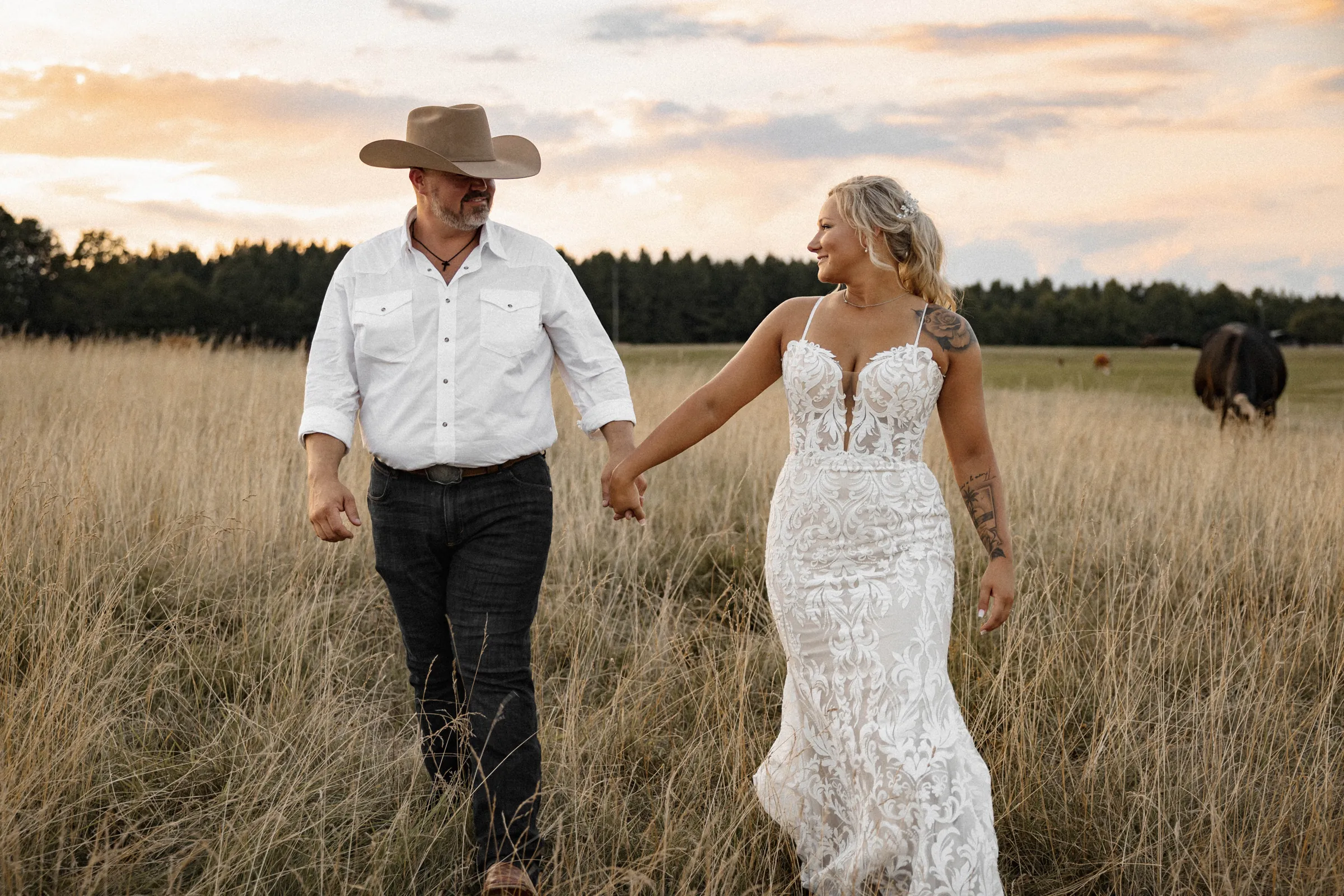
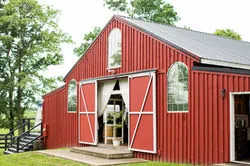
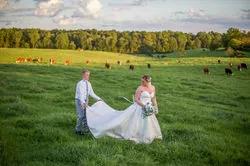
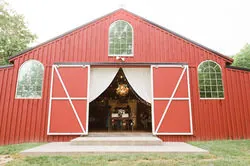
At a farm venue, also ask how guests move between outdoor and indoor moments if the weather changes. Oak Creek Farm's field, deck and red barn allow couples to plan a natural flow through the day, while the barn gives everyone an indoor place to gather. Bring the site's outdoor wedding checklist if an outdoor ceremony is part of your plan, so the reception space remains useful in every forecast.
3. Get a complete cost picture before you compare prices
A reception quote can contain far more than a room fee. Ask which hours are included, whether tables and chairs are included, who sets them up, whether linens, lighting, décor, parking, cleanup, security or a coordinator add to the cost, and what happens if the event runs late. If the venue offers food or bar service, ask about minimums, service charges, staffing, gratuities and taxes. Keep each answer beside the number, because a lower starting price can leave much more work and more rentals on your list.
Ask for a sample estimate based on your likely date, guest count and reception style. Then label every item as included, required, optional or not provided. The site's wedding venue package guide has a practical way to make those distinctions before you compare two proposals that use different language.
Do not forget the end of the night. Find out who clears tables, removes trash, packs venue-owned décor and handles your personal items. Ask about overtime, damage deposits, cancellation terms and what needs to be collected before you leave. A reception can feel wonderfully easy while it is happening, then become stressful if a few loved ones are suddenly responsible for a room full of boxes.
4. Test the food, drink and vendor plan
Your service style affects the room. A plated dinner needs space for servers to move. A buffet needs a line that does not block the bar or restroom route. A family-style meal needs table space, and a food truck needs a safe service path and a guest plan for weather. Ask your venue what it has seen work for a group like yours, then let your caterer confirm that the prep area, power, refrigeration, water access and load-in timing fit their plan.
Clarify the bar just as carefully. Ask who can serve alcohol, whether a bartender is required, how long service can run and whether the venue has rules about glassware, shots, outside alcohol or insurance. For a Virginia event, review the Virginia ABC banquet-license guidance with your venue and bartender so you understand what applies to your celebration. It is better to settle that question early than to change a menu or bar plan close to the wedding.
Ask vendors when they can arrive, where they unload, where they park and where they can take breaks or eat. A band needs a sound check, a florist needs setup time and a photographer needs to know when the room will be ready. Oak Creek couples may use insured vendors of their choice, which makes it especially useful to walk through vendor access during a private tour rather than guessing from a brochure.
5. Know who is running the room and when
Ask for names and responsibilities, not only a promise that someone will be there. A venue coordinator may oversee the space, help with the timeline and answer vendor questions, while a wedding planner may manage the full event and personal details. Neither role is automatically the other. Ask who opens the space, directs vendors, handles setup, makes a weather call, checks on the bar and coordinates cleanup.
Then build a simple reception timeline. Include vendor arrival, guest arrival, cocktails, dinner, toasts, first dance, open dancing, last call, exit and cleanup. You do not need to schedule every conversation, but each transition needs a person and a time. The wedding planning timeline can help you place the venue walk-through and vendor confirmations early enough to avoid last-minute decisions.
Oak Creek Farm hosts one wedding each week and offers Friday time for rehearsal and setup before the Saturday celebration. That gives couples room to place décor, meet key vendors and enter the reception with more of the work already settled. Tables, chairs, ceremony and reception setup, décor closets and day-of support are part of the conversation, not a surprise to uncover after the contract is signed.
Bring your notes home before you decide
When the tours are done, compare each venue with the same five headings: room fit, guest comfort, complete cost, food and vendor plan, and day-of support. Give yourselves a night to read the proposals and notice which place answered directly, fit your priorities and left the fewest important questions unresolved. Your reception should feel like time with your people, not a logistics project you have to manage in formal clothes.
If Oak Creek Farm is on your list, use this checklist as you walk the barn, field and deck. You can see the weather-ready spaces, talk through your guest count and ask exactly how Friday setup, flexible vendors and on-site support could shape your wedding weekend.
Planning at Oak Creek
See how the reception feels when the room is yours.
Tour the barn, walk the guest flow and talk through the furniture, timing and support that can make your reception feel easy from the first arrival to the last dance.
Book a private tourFrequently asked questions
What should I ask a wedding reception venue before booking?
Ask how the room works at your actual guest count, what the rental includes, when you and vendors can access the space, how food and bar service work, who is on site, and what happens at the end of the night. Get the answers for your date and plan in writing so you can compare venues fairly.
How do I know if a reception room is the right size?
Ask to see a layout for your expected guest count with tables, a bar or buffet, a dance floor and clear routes to restrooms and exits. A room can meet a stated capacity while still feeling cramped once chairs, service stations and people moving between moments are added.
What reception costs should be included in a venue quote?
A clear quote should identify the rental hours, furniture, setup and cleanup, staffing, service charges, taxes, food and beverage minimums when they apply, bar costs, security or insurance requirements, and overtime or damage fees. Ask what is optional, required and not provided.
Should I choose the reception venue before booking a caterer?
Usually, yes. The venue determines the available prep space, timing, power, load-in path and vendor rules. If food is central to your celebration, involve your preferred caterer early and make sure the venue can support their service style before either contract is final.