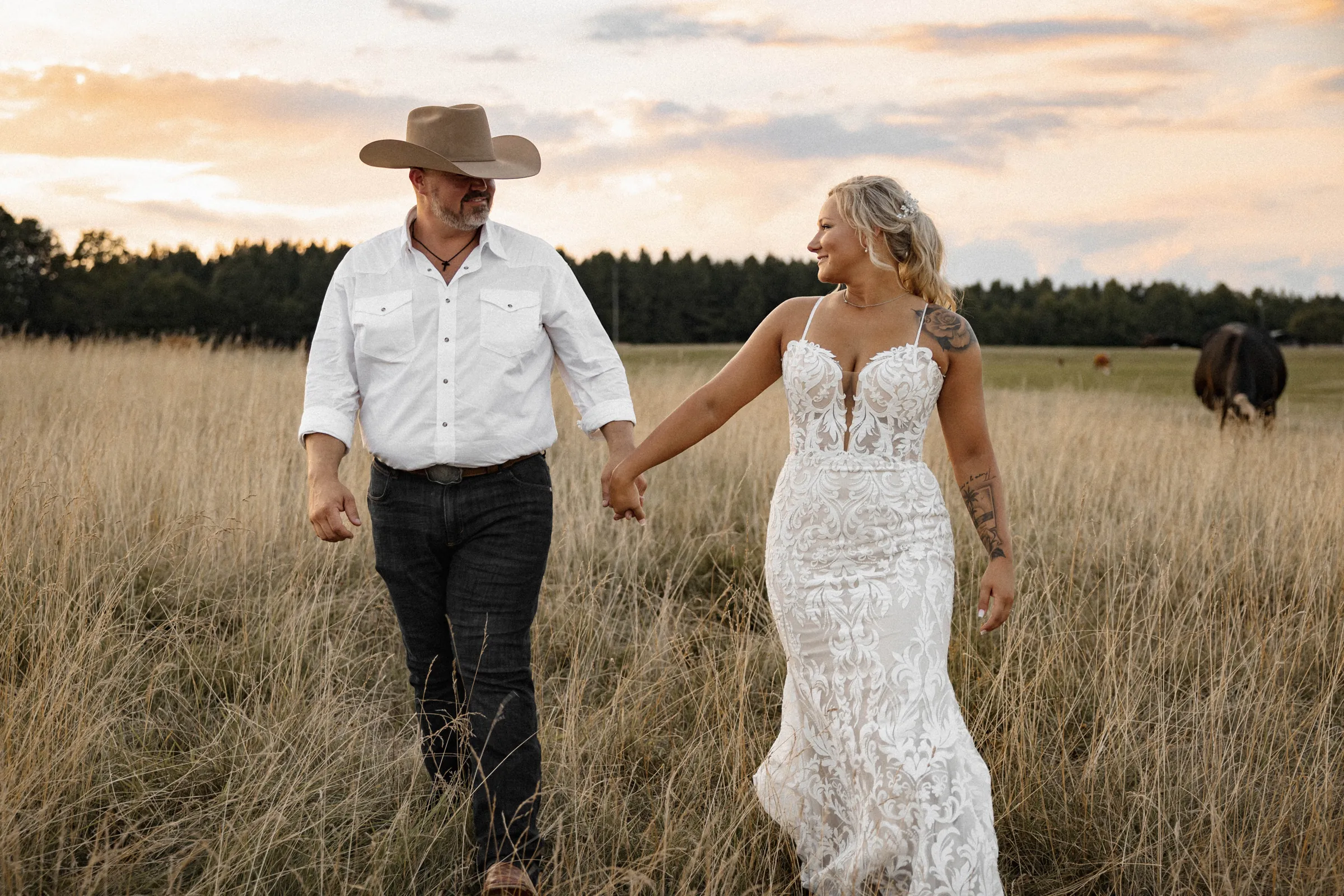

An outdoor wedding rain plan is not a gloomy backup tucked into a vendor email. It is the version of the day that lets you relax when the forecast shifts. When the alternate ceremony space, guest route and decision process are already clear, rain becomes a detail to manage instead of a reason to panic.
The goal is not to recreate every outdoor photograph indoors. It is to protect the things that made you choose an outdoor celebration in the first place: the people you love, an easy flow from one moment to the next and a setting that still feels like you. Build the plan while you are choosing your venue and vendors, not while everyone is watching a weather app the night before.
Your outdoor wedding rain plan at a glance
- Choose an alternate ceremony layout you would be happy to use.
- Walk the guest route from parking to every part of the celebration.
- Confirm how furniture, food, music and photography change with the plan.
- Name one decision maker and a clear time for the weather call.
- Prepare one short guest update, then let your team handle the switch.
1. Choose a Plan B you can picture
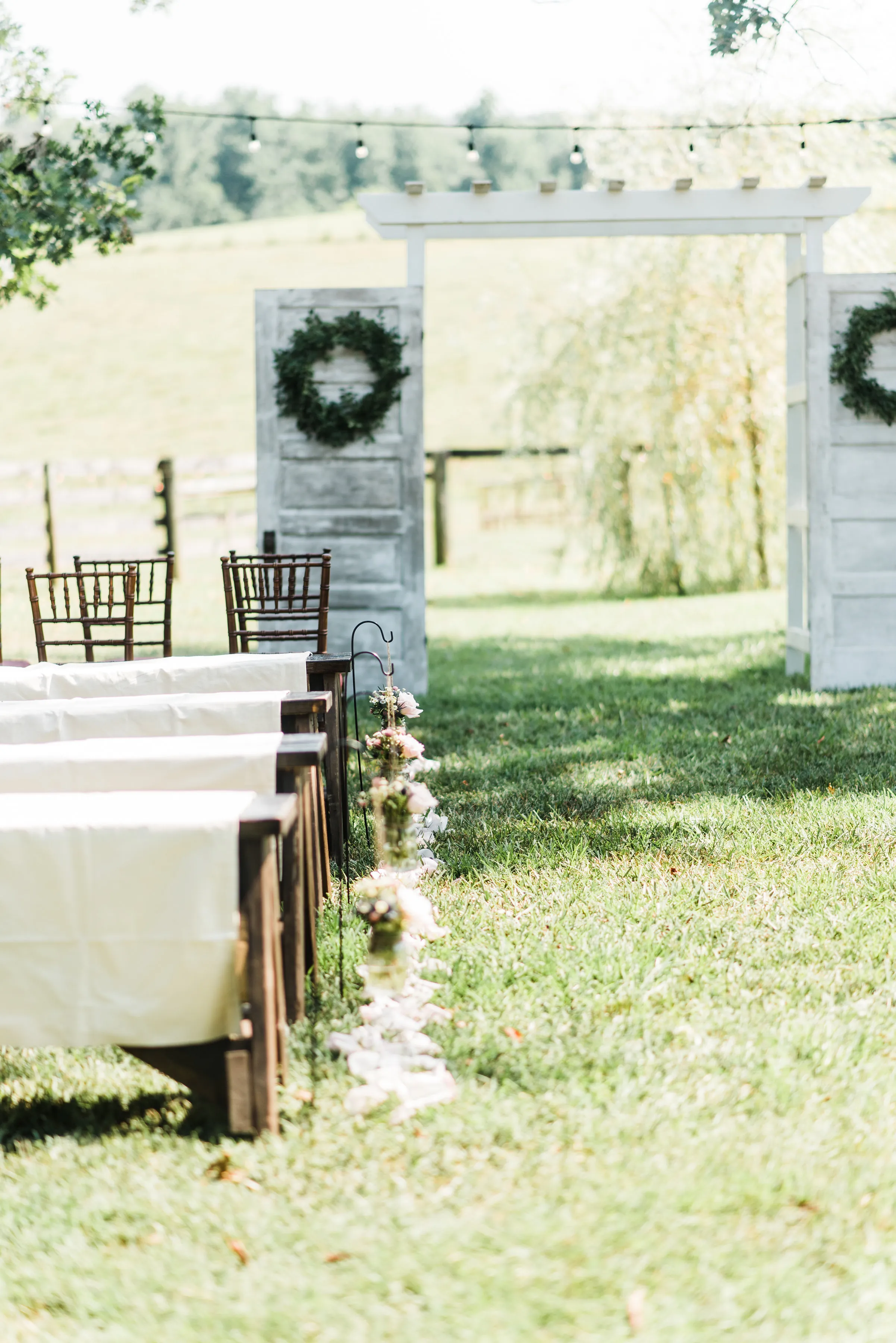
Start by asking a venue to show you the actual alternate space, not simply describe it. Stand where you would say your vows. Picture the guest count, the wedding party, chairs, music and the entrance. If the outdoor ceremony moves inside, what happens to cocktail hour, dinner or dancing? A good answer is a real layout, with enough room for people to move and enough character that it still feels intentional.
There is a meaningful difference between an indoor room that can technically hold your guests and one that can host the moment well. Look for sightlines, lighting, a clear aisle, room for older relatives to move comfortably and a place for vendors to work without crowding the ceremony. If the alternative has a different capacity, decide now whether your guest count or furniture plan would need to change.
Ask the same questions when touring any outdoor setting. The venue tour checklist can help you record the answers while the spaces are in front of you, and the venue comparison checklist makes it easier to compare more than one option fairly.
2. Plan for the whole forecast, not only rain
Rain is usually the headline concern, but outdoor comfort depends on more than a few drops. Heat can make a ceremony feel long, wind can change the sound and décor plan, wet ground can alter the route from parking, and an early sunset can turn an otherwise clear path into a dark one. Walk through the property at the time your ceremony will happen and notice where guests wait, sit, get a drink and find the restroom.
For each part of the day, write down the adjustment that makes it comfortable. That might mean water and shade at the ceremony, an umbrella basket at the entrance, a hard-surface route for guests in dress shoes, sidewalls for a tent or warm layers for a late fall evening. Keep the list practical. Guests remember whether the day felt easy far longer than they remember whether the original floor plan stayed untouched.
A tent can be a wonderful option, but it needs its own complete plan. Ask the rental team about the ground, drainage, sidewalls, flooring, lighting, wind limits and setup timing. Confirm where caterers, musicians and guests enter. Then decide what happens if the conditions are too severe for the tent to be a comfortable answer. The outdoor wedding checklist gives you a broader way to think through those details before they become a last-minute call.
3. Protect guest flow from parking to the last dance
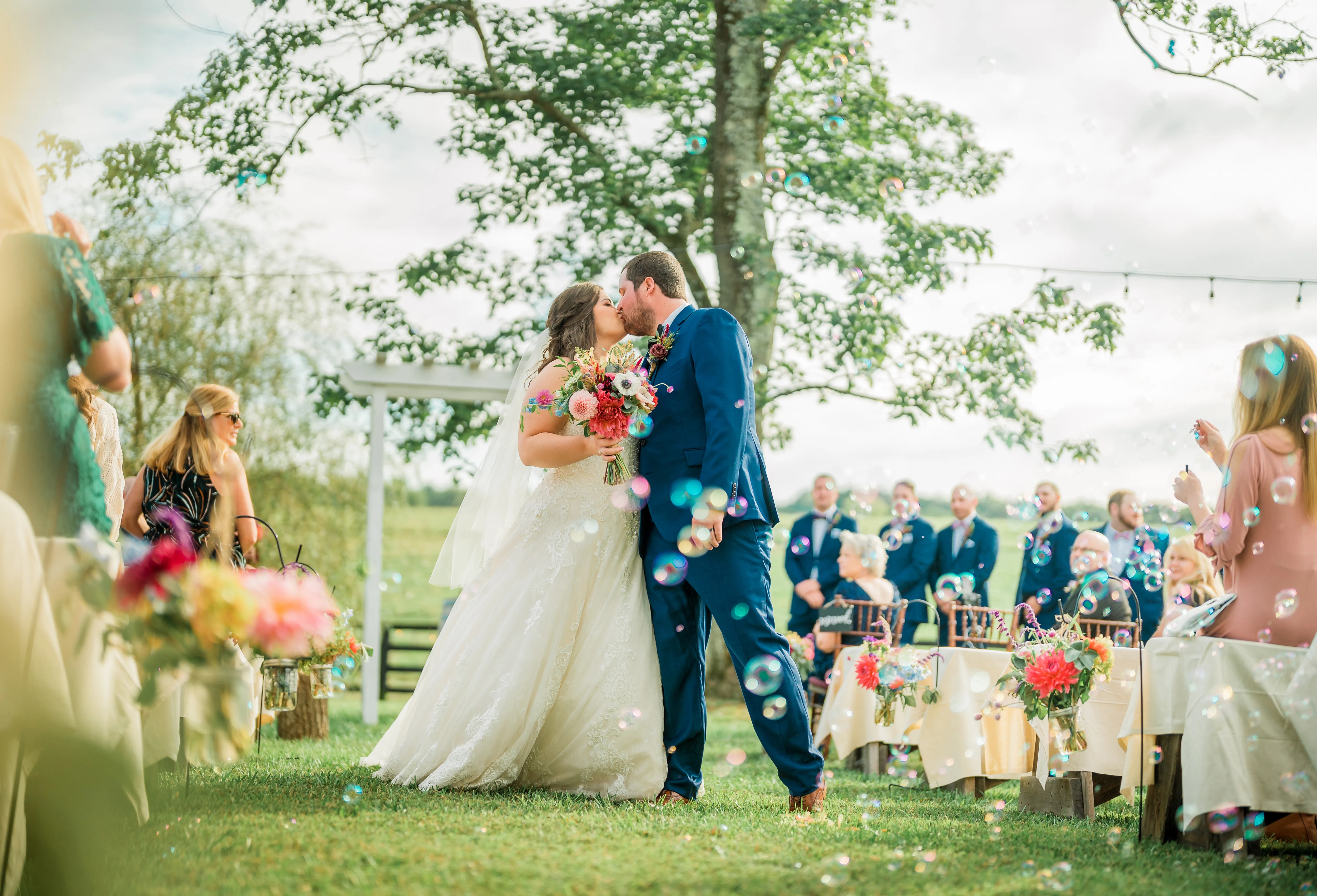
A rain plan works when it protects the journey, not just the ceremony. Start at the parking area. Where do guests step out of their cars? Is there a dry, well-lit path to the welcome area? Can someone with limited mobility make the same journey without navigating mud, grass or an unexpected slope? Small route decisions often do more for a calm arrival than any elaborate weather prop.
Then trace the day in order. Where do guests wait before the ceremony? How do they get to cocktails while portraits happen? Where are food, drinks and restrooms in the alternate layout? When one space changes over, who guides people to the next one? A clear path means fewer people stopping to ask directions and more people settling into the celebration.
Share the changed layout with the vendors who need it before they arrive. Your caterer needs to know the serving route, your photographer needs to know the best covered photo locations, and your music team needs to know where power and protection are available. A few deliberate notes protect the couple from becoming the help desk when they should be getting ready.
4. Make one clear weather decision
The forecast can change several times in a day. Your plan should not. Choose one person who has the authority to make the call, then agree on the time they will make it with the venue, planner and key vendors. It may be the night before, early that morning or before setup begins, depending on the property and the work required to change layouts. What matters is that everyone knows the decision process before emotions and deadlines are involved.
Give that person a simple standard to use. For example, the call may be based on lightning risk, sustained rain during the ceremony window, unsafe wind, wet ground or temperatures that would make guests uncomfortable. You do not need to predict every possibility. You need a shared way to move from forecast to action without a committee meeting in formalwear.
Put the final plan on one page with the contact list, vendor arrival times, alternate layout, weather-call time and who communicates the decision. The venue planning timeline is a useful companion for placing that conversation before the busy final weeks.
5. Tell guests only what they need to know
Guests do not need a live stream of weather anxiety. They need a short, useful update if the plan changes. Let them know where to arrive, whether the ceremony location or parking route is different, and whether a practical item such as an umbrella, wrap or sensible shoes would help. Use the same channel you have already established for wedding information, then make sure a family member or wedding-party point person can answer the few questions that follow.
On site, clear signs and one welcoming person can do most of the work. A staff member, coordinator or designated friend can direct guests from parking, point them toward the right entrance and let older relatives know where they can wait comfortably. This preserves the mood of the day. A rain plan should feel like a thoughtful hosting choice, not an emergency announcement.
6. Give every vendor a weather job before the wedding week
Once the alternate layout is decided, make sure every vendor knows the part of it that affects them. Your florist may need a protected place for arrangements. A caterer may need a different service route. Your photographer may want to walk the best covered portrait locations before the day. Your DJ or band needs confirmation about power, cover and where guests will be gathered. Those conversations are much easier when they happen while everyone still has time to adapt their plan.
Ask each vendor one direct question: “If we use the rain plan, what do you need from us, the venue or another vendor to do your work well?” The answer may be simple, such as a table moved before arrival or a dry outlet close to the ceremony. It may also reveal a timing dependency, such as a tent crew needing to finish before florals arrive. Put those answers on the same one-page plan rather than assuming someone else will remember them.
Your wedding party and close family can have roles too, but keep them light. One person can welcome guests at the alternate entrance, another can help older relatives find the dry route, and someone can carry the contact list. Leave the decisions and vendor coordination to the people chosen for them. The point is to give your loved ones a way to help without asking them to spend the whole day solving logistics.
How Oak Creek Farm makes the weather plan visible
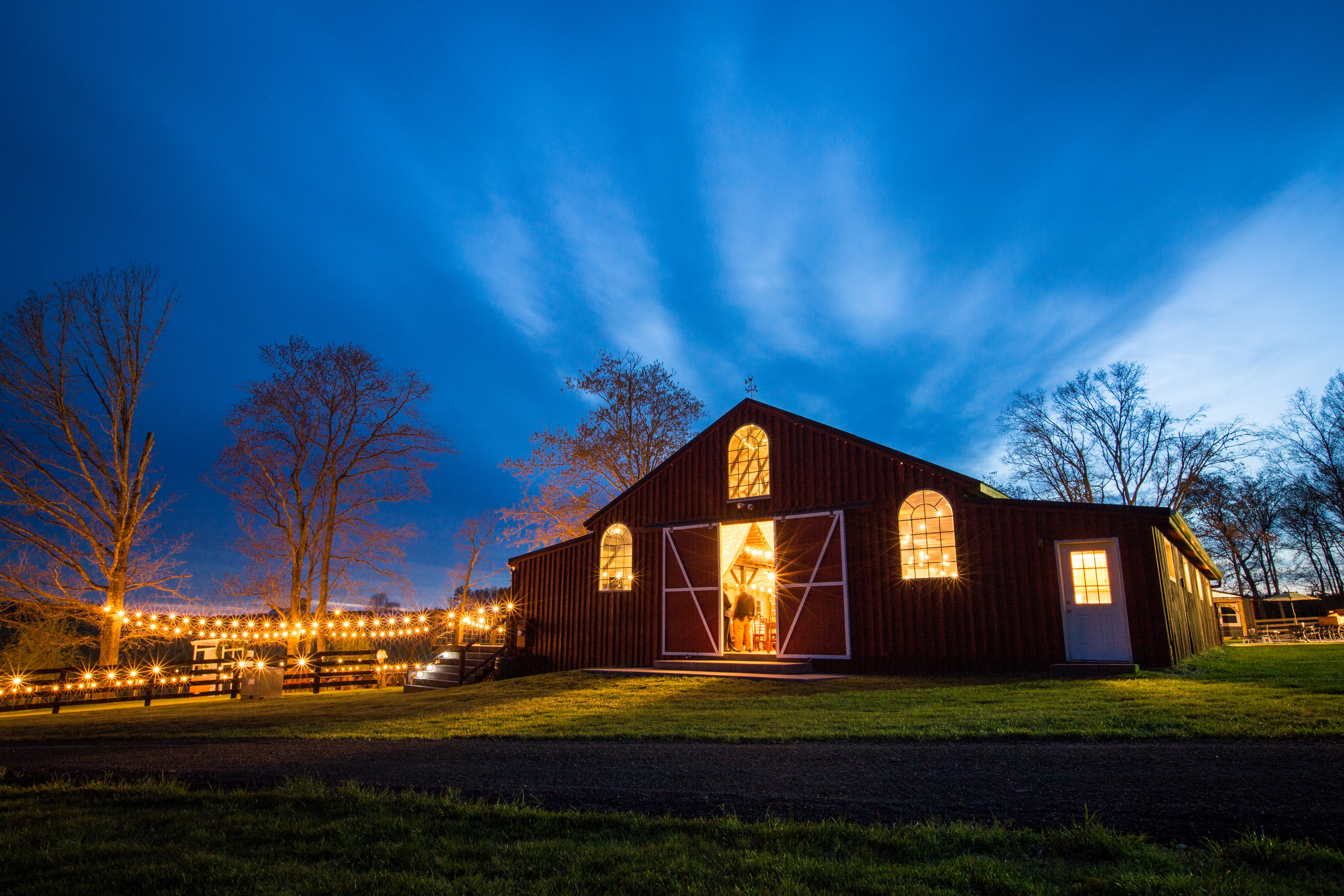
At Oak Creek Farm, couples can walk the ceremony field, barn and guest flow during a private tour, then talk through what the day looks like in more than one forecast. The converted barn gives guests a weather-ready place to gather, while Friday access allows time for rehearsal and setup before the Saturday celebration. Tables, chairs, ceremony and reception setup, décor closets and day-of support give the team a practical foundation for the switch.
The farm hosts one wedding each week, so the conversation can stay focused on your people, vendor team and timing. You can also bring insured vendors of your choice, which makes it easier to build a plan that suits the way you want to celebrate. The outdoor wedding venue page shows more of how the field and barn work together, and a private tour lets you see the alternate spaces with your own guest count in mind.
Planning at Oak Creek
See the weather plan before you need it.
Walk the ceremony field, barn and guest route, then talk through the details that help an outdoor wedding feel calm in every forecast.
Book a private tourFrequently asked questions
When should we make the rain call for an outdoor wedding?
Choose the decision time with your venue and vendors before the wedding week. It should leave enough time to move furniture, communicate with the people who need to know and set the alternate layout without rushing. The exact timing depends on the property, the forecast, setup needs and the size of your celebration.
What should be included in an outdoor wedding rain plan?
A useful rain plan names the alternate ceremony and reception spaces, guest routes, vendor setup, furniture changes, communication plan, decision maker and decision time. It should also account for wet ground, umbrellas, lighting, parking and a dry place for guests to wait or gather.
Does a tent count as a wedding rain plan?
A tent can be part of a rain plan, but it is not the whole plan. Confirm the tent size, sidewalls, flooring, drainage, lighting, wind limits, setup schedule and whether guests can move comfortably from parking to ceremony, food and restrooms. Have a clear indoor or severe-weather alternative when the conditions call for one.
How do we tell guests about a weather change?
Keep the message short and practical. Tell guests whether the ceremony location, arrival route, parking or dress expectations have changed, and send it through the communication channel you have already established. Your wedding website, a trusted family contact and clear signs on site can keep the update from becoming a chain of confused texts.