
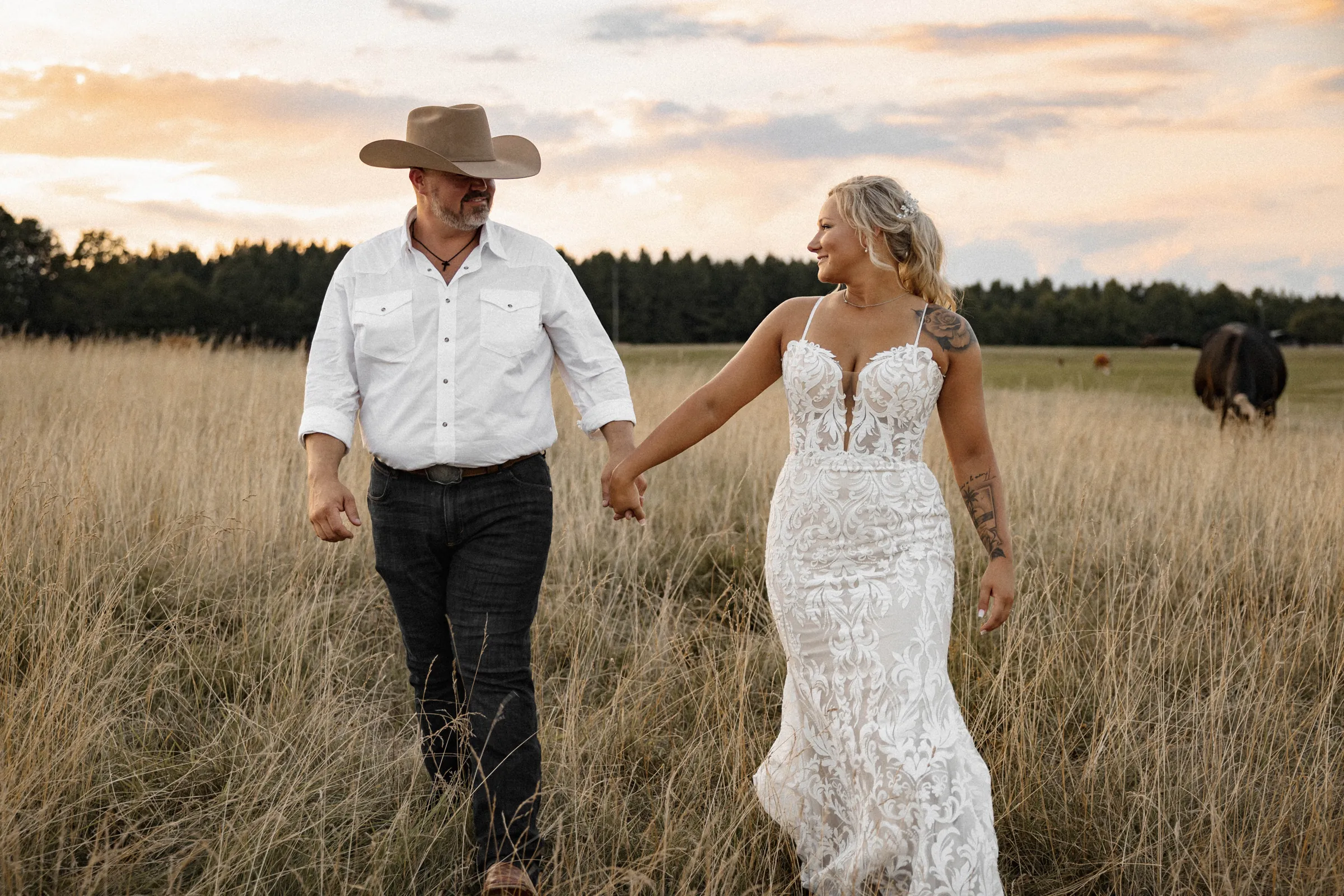
A backyard wedding can feel wonderfully personal. The setting already holds a story, the guest list can feel close-knit, and the day can look exactly like the two of you. The tradeoff is simple: a private property is not automatically an event venue. Before flowers, place settings or a playlist, it needs a plan for how people will arrive, move, eat, stay comfortable and leave safely.
This backyard wedding checklist starts with the decisions that protect the whole day. Work through it before you send invitations or sign rental contracts. It will help you see whether the property can support the celebration you picture, and whether a dedicated venue might give you more time to be guests at your own wedding.
Backyard wedding checklist
- Measure the usable space and set a realistic guest count.
- Check the rules, insurance and alcohol plan before making deposits.
- Draw the full ceremony, meal, bar, restroom and parking layout.
- Settle weather cover, power, water and lighting with the right vendors.
- Plan food preparation, waste, delivery access and cleanup.
- Name the people who own setup, weather decisions and the final teardown.
1. Measure the property before you grow the guest list
Walk the property with a tape measure and think in zones, not just open lawn. Mark the ceremony, cocktail hour, seated meal, bar, catering prep, restrooms, dance floor, vendor parking and guest parking. Then walk the route between each one in the shoes your guests will wear. A charming yard can become difficult when the only path to dinner crosses a muddy slope or the bar blocks the route to the restroom.
Start with a guest-count range, then ask a rental company or experienced planner to help test it against the full layout. A chair count alone is not capacity. You also need space for tables, serving stations, paths for older relatives and staff, a place to wait out rain, and enough room that people are not trapped in a line whenever they want a drink or fresh air.
Walk the site at the same time of day as the ceremony, too. Notice where the sun sits, which areas become dark first, where the ground holds water and whether a delivery truck can reach the place a rental team needs it. A layout that looks effortless in a noon visit can need shade, lighting or a different guest route by the time a late-afternoon ceremony turns into dinner.
If the property only works when every square foot stays perfect, treat that as useful information. A smaller guest list, a simpler meal, a different layout or a dedicated venue may make the day feel much more relaxed. The wedding guest list guide can help you settle on a number before it becomes an invitation problem.
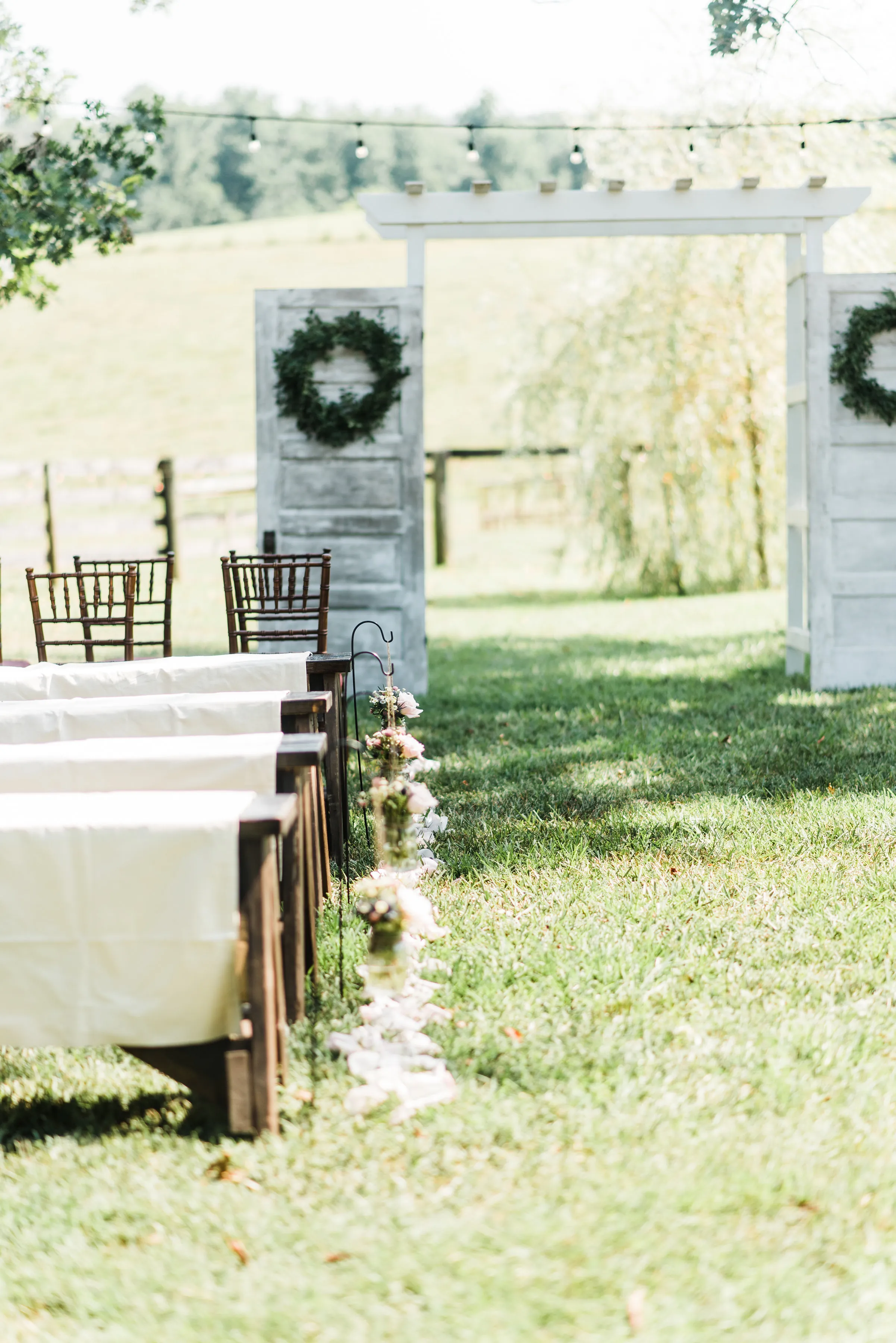
2. Confirm the rules, responsibility and alcohol plan first
Before you pay for a tent or invite a crowd, confirm what the property, local government, insurer and neighborhood allow. Rules can vary by location and by the scale of the event. Ask about temporary structures, parking, sound, fire safety and whether the homeowner's policy needs a separate event endorsement. A quick written answer now is much easier than changing the plan close to the date.
If alcohol will be served, decide who is providing it, who is serving it and what the bartending plan requires. In Virginia, the Virginia ABC's banquet-license guidance is a good starting point for understanding the options. Your caterer, bartender and local authorities can tell you which requirements apply to your specific plan. Do not treat a friend with a cooler as a substitute for a clear, responsible bar plan.
It also helps to talk with neighbors early. Let them know the date, expected start and end time, parking approach and a reliable contact person. That courtesy does not replace local rules, but it can prevent surprises and gives everyone a direct route to a solution if something changes on the day.
Keep important answers in one shared folder with your contracts and vendor contacts. That includes the homeowner's event coverage, rental agreement, catering plan and any written guidance you receive. If someone else is hosting on their property, agree in advance on who can approve a change, speak with vendors and make a weather decision. Good boundaries are part of making a family-hosted day feel generous rather than stressful.
3. Build a weather plan that still feels like your wedding
A weather plan is not a vague promise to “move things inside.” It is a second layout you can picture. Decide where guests will sit, where food and drinks will go, whether your ceremony can still happen with the same guest count, and how the transition will be communicated. If you are renting a tent, ask about sidewalls, flooring, drainage, heat, cooling, lighting and the time required to install it.
Choose one person to make the weather call, set the time they will make it and tell vendors exactly how they will hear the decision. The forecast might change, but the responsibility should not. This is the same discipline that makes an outdoor wedding plan feel dependable rather than improvised.
Guest comfort belongs in the plan too. Think about shade, warm layers, insect control, water, clear paths after dark and a dry route from parking to the celebration. A pretty outdoor setting earns its place when guests can actually enjoy being in it.
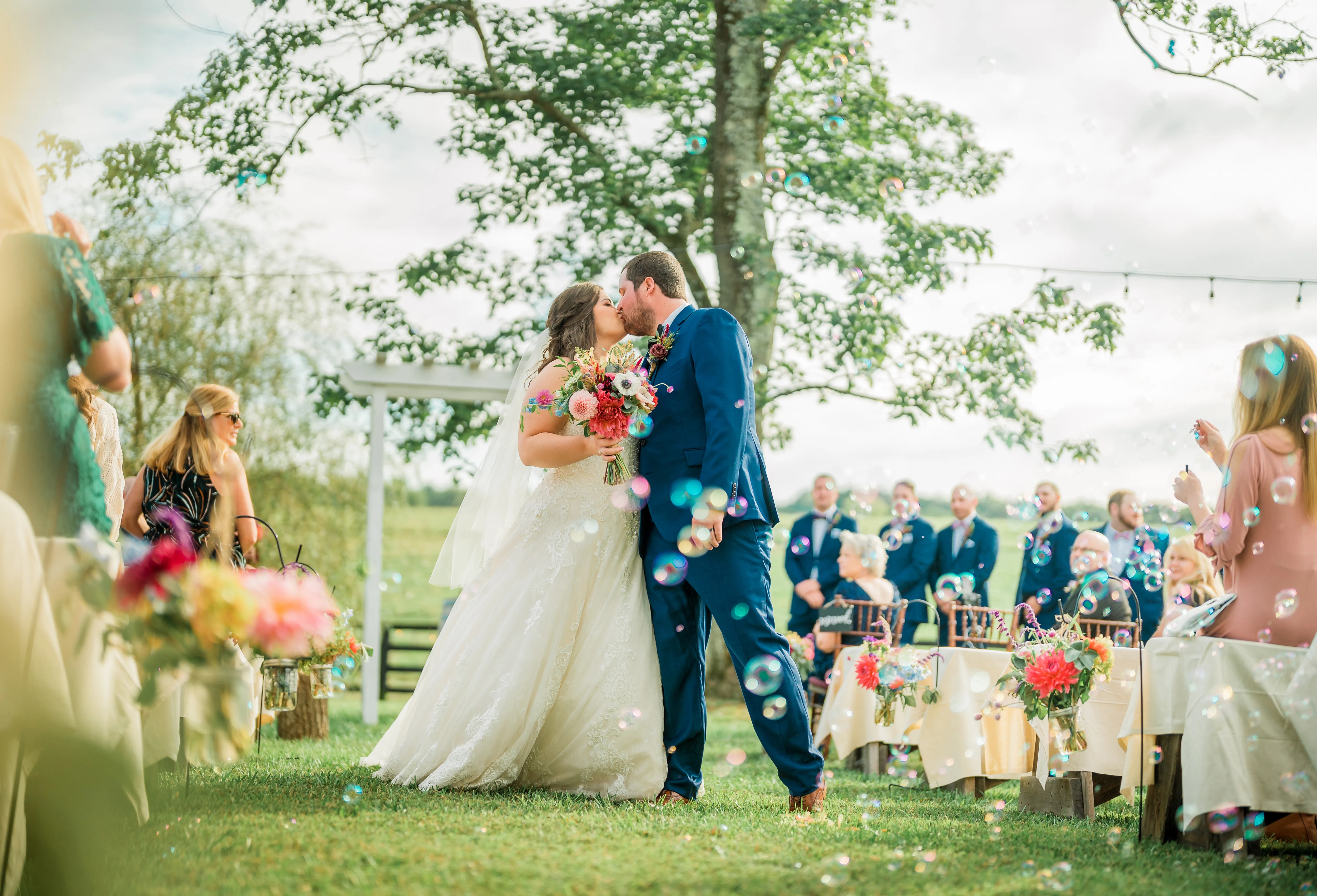
4. Treat power, water and restrooms as guest-experience details
Ask every vendor what they need before assuming the house can handle it. Caterers may need a prep area, handwashing access, refrigeration and dedicated power. A band, DJ, lighting team and restroom trailer may have their own electrical needs. Share a simple site plan with each vendor, then make sure the route from delivery vehicle to setup area is clear, level and usable at the time they arrive.
Do an honest restroom count. A home bathroom can work for a very small group, but it may not be a good answer for a longer reception, guests in formal clothing or anyone who needs accessible facilities. Ask a restroom-rental provider to assess your guest count, access, power and water needs rather than treating it as an afterthought.
Plan the parts guests notice but seldom mention when they are done well: enough light to find the restroom, a safe route to the car, water near the ceremony on a warm day, waste and recycling stations, and an easy place to set down a drink. These are the pieces that let everyone relax into the celebration.
Make a quick evening test before the wedding week. Turn on the lights, walk the guest route, listen from the ceremony and reception areas, and check that important paths are visible without being harshly lit. This small rehearsal often exposes practical gaps, such as an extension cord across a walkway or a dark path from the dance floor to parking, while there is still time to solve them simply.
5. Make the food, parking and vendor plan work together
A backyard meal needs a real operating plan. Decide where food is prepared, how staff move between prep and guests, where refrigeration or warming equipment goes, and how trash is handled during and after service. The service style matters too. A plated dinner needs room for staff to move, while a buffet needs a line that does not cut through the bar, dance floor or route to the restroom.
Parking should be equally intentional. Count the spaces you can use without blocking neighbors, emergency access, vendor load-in or the route guests will take after dark. If you need shuttles, attendants or an overflow plan, settle it before invitations are printed. Give guests clear arrival instructions so no one begins the celebration by wondering where to leave their car.
Then make a simple delivery schedule. Tell the tent crew, rental company, caterer, florist, photographer and entertainment team when they can arrive and where they should unload. A calm event day starts when every vendor can get to work without asking the couple for directions.
Give vendors one current contact sheet with the property address, gate or driveway instructions, arrival window, parking location and the name of the person meeting them. It is a small document, but it keeps private-property logistics from turning into a series of calls and texts while hair, photos and family arrivals are already underway.
6. Give every job a name before the wedding week
A home wedding can ask a lot of the people you love. Make that workload visible before it becomes a last-minute favor. List setup, deliveries, rental inspection, welcome signs, weather updates, vendor questions, trash, personal items, cleanup and returns. Next to every task, write one person who owns it and one backup. The couple should not be the backup for everything.
Consider bringing in a day-of coordinator if the group is large or the plan has many moving parts. Their job is not to make the wedding less personal. It is to protect the people closest to you from spending the ceremony solving a parking question or finding extension cords. A coordinator can also help make sure family members get to enjoy the reception they helped create.
Use the final week for confirmation, not invention. Reconfirm delivery windows, vendor contacts, power needs, weather decision time, rental quantities and cleanup ownership. If a detail still has no answer at that point, simplify it. Guests remember how welcome and cared for they felt, not whether every decorative idea made it from the mood board to the lawn.
Keep one printed copy of the final timeline where the setup team can see it, and give the coordinator or trusted point person a digital copy. A shared reference makes it easier to hand off questions without interrupting the couple during the moments they came to celebrate.
When a wedding venue is the easier version of the same vision
A backyard wedding is a beautiful fit for some celebrations. But the right venue can offer the same personal, outdoor feeling with the infrastructure already handled. At Oak Creek Farm, couples can walk the field, deck and red barn together, see a weather-ready plan in person, and use the furniture, décor, Friday setup time and day-of support already built into the weekend.
That means you can keep the parts you love about a farm celebration while avoiding the need to build a temporary venue from scratch. Use the wedding venue comparison checklist to compare the full work of each option, not only the first price you see.
Planning at Oak Creek
See the outdoor feeling with the practical details already in place.
Walk the ceremony field, barn, guest routes and weather plan, then talk through the timing, furnishings and support that can make the day feel personal without asking your family to build a venue.
Book a private tourFrequently asked questions
What should be on a backyard wedding checklist?
Start with the property itself: a measured layout, realistic guest count, weather cover, power, restrooms, parking, food preparation, permits or rules that may apply, vendor access and cleanup. Then give every day-of task to a named person so the couple is free to enjoy the celebration.
How many guests can a backyard wedding hold?
The answer depends on the usable, level space after you allow room for ceremony seating, dining, food service, restrooms, paths, parking and a weather plan. Have a rental professional or experienced planner walk the property before invitations go out. A yard can feel spacious until tables, a tent and guest circulation are added.
Do I need a tent for a backyard wedding?
A tent can provide shade and rain cover, but it is only one part of a weather plan. Ask the rental company what the ground, access, sidewalls, lighting, flooring and setup timing require. If severe weather is possible, decide in advance where guests will go and who will make the call.
Is a backyard wedding less expensive than a venue?
It can be, especially for a very small celebration, but a home setting does not automatically include the infrastructure a venue provides. Tents, tables, chairs, restrooms, power, staffing, catering setup, parking and cleanup can change the full cost. Compare the complete plan, including the work required of family and friends, before deciding.